
You love your dog more than anything. So when someone says, “Just microchip your dog,” you want to make the right call. We get it. At Ecopetessentials, we looked into the real reasons not to microchip your dog and what actually works better. Millions of pet owners microchip their dogs every year. Most do it without asking questions. But here’s the truth: a microchip is not a GPS tracker. It cannot tell you where your dog is right now. It won’t send you an alert if your dog runs out the gate. And it comes with real risks that most vets don’t mention. We think you deserve the full picture before you decide. So we did the research for you.
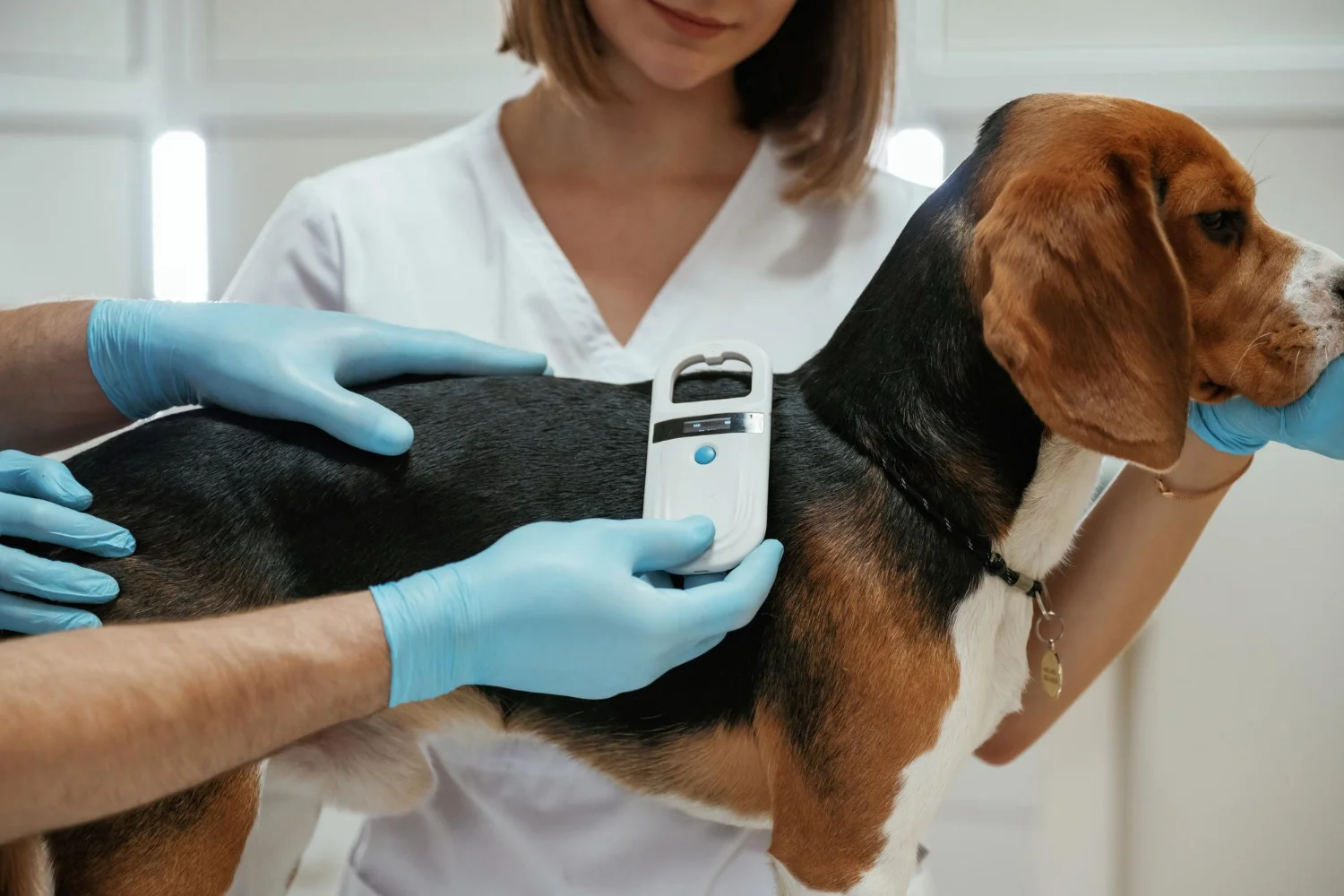
A dog microchip is a tiny device. It’s about the size of a grain of rice. A vet uses a large needle to put it under your dog’s skin. It usually goes between the shoulder blades. What does a dog microchip look like? It’s a small glass capsule. You can’t see it from the outside. It holds a unique ID number that is 9, 10, or 15 digits long. When a shelter or vet scans your dog, they read that number. They then search a database to find your contact info. That’s how it’s supposed to work.

The chip uses radio frequency (RFID). It has no battery. It only works when a scanner is nearby. The scanner reads the ID number. Then someone calls the registry to find the owner. It does not use GPS. It cannot track your dog in real time. The chip just sits there quietly under your dog’s skin. It does nothing on its own. It waits to be activated by a scanner. That scanner has to be held very close to your dog’s body. Without that scan, the chip is completely silent. So if your dog runs away, you cannot open an app and find them. You have to wait and hope someone finds your dog first. Then hope they take your dog to a vet or shelter. Then hope that shelter has the right scanner. That’s a lot of hoping.
We know this topic feels controversial. But these are real concerns that every dog owner deserves to know before making this decision.
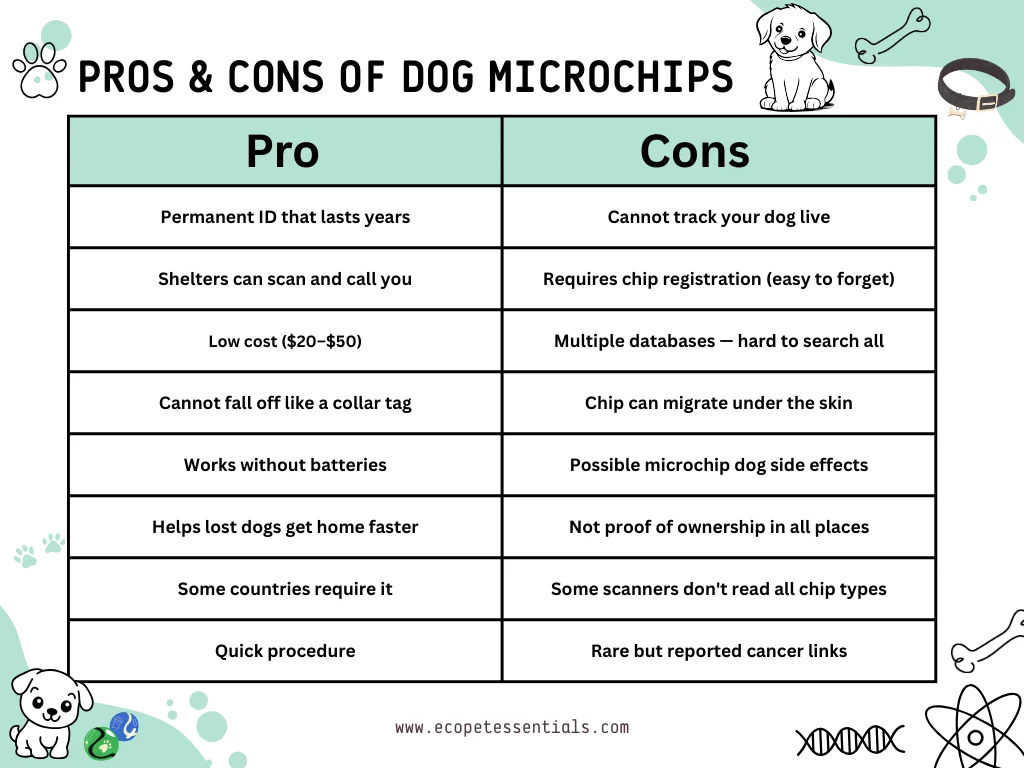
This is the biggest misunderstanding. A microchip is not a dog microchip GPS tracker. It cannot show you where your dog is right now. It only works when someone physically scans your dog.
In the US, there is no single pet microchip registry. Dogs Naturally Magazine points out dozens of separate databases exist. If your dog is found, the finder may search the wrong one.
Most dogs feel a quick pinch. But microchip dog side effects long term can include swelling, infection at the injection site, and chip migration. In very rare cases, lumps can form around the chip.
This question comes up a lot. The short answer is extremely rare cases exist. The Spruce Pets reports a small number of animals developed tumors near chips. The risk is very low but it’s real.
Microchips can migrate. This means the chip shifts from between the shoulder blades. It may end up in the leg or neck. This makes it harder to find during scanning.
If someone steals your dog, a microchip doesn’t prove ownership in court. You need vet records, photos, and other proof too.
The chip is useless if you don’t register it. And many pet owners never do, or they move and forget to update the info. This breaks the whole system.
There are different chip frequencies. Not every scanner reads all types. A shelter with the wrong scanner might miss your dog’s chip entirely.
A large-bore needle is used to insert the chip. Some dogs feel real discomfort. If your dog is anxious or sensitive, this can be stressful for both of you.
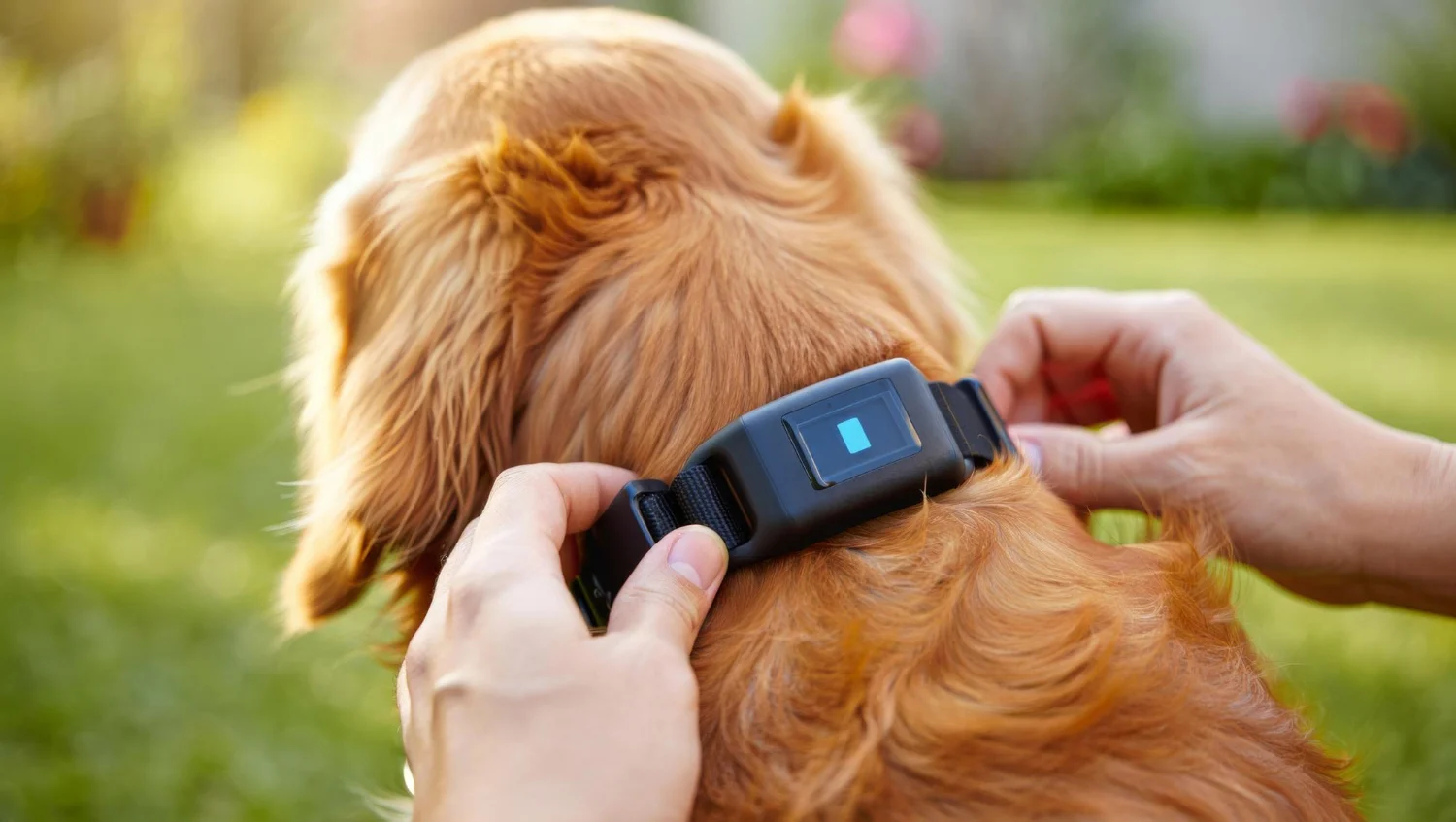
With modern dog GPS trackers, you can watch your dog’s location in real time. You don’t have to wait for someone to find and scan your dog. We cover the best ones below.
You have great options. Here’s what we suggest:
Also check out our posts on how to find ethical dog breeders near you and how long can a dog stay home alone for more dog safety tips.
These are not chip implants. They are wearable GPS trackers that work in real time and don’t require any injection.

Want to do a dog microchip lookup? You can visit AAHA’s Pet Microchip Lookup; it searches multiple registries at once. It’s free. You just type in the chip number. Do you need a dog microchip near me? Search your local vet clinic, animal shelter, or pet store like PetSmart or Petco. Most charge $20 to $50. This is also a smart thing to do if you just adopted a dog. Many rescue dogs come already chipped. But the chip may still be registered to the old owner. You need to update that information right away. If you don’t, the chip points to the wrong person. That means if your dog gets lost, someone else gets the call. It takes just a few minutes to update your details online. Do not skip this step because it matters more than most people think.
We believe your dog deserves the best care without unnecessary risk. Microchips have real uses, but they also have real limits. Now you know the reasons not to microchip your dog and what works better. A GPS tracker gives you live tracking. An ID tag gets your dog home fast. And staying informed keeps you one step ahead. You have to bookmark Ecopetessentials right now and save us for your next pet question. We post real, honest pet care info every week. From dog behavior tips to product reviews, we’ve got you covered. Your dog is lucky to have you, and we’re here to help you be the best pet parent possible.
➥ What are the main reasons not to microchip your dog?
Microchips can’t track your dog in real time, chips can migrate, side effects exist, and databases are scattered. GPS trackers work better for most pet owners.
➥ Can a microchip kill a dog?
It’s extremely rare, but some studies show a small link to tumors near the chip site. Most dogs have zero serious issues. Talk to your vet about your dog’s specific risk.
➥ What are microchip dog side effects long term?
Long-term microchip dog side effects can include chip migration, swelling, scar tissue, and, in very rare cases, tumor growth at the implant site. Most dogs show no side effects.
➥ What does a dog microchip look like?
A dog microchip looks like a tiny glass capsule. It’s about the size of a grain of rice. You can’t see or feel it from outside your dog’s body once implanted.
➥ How Long Does a Microchip Last in a Dog?
A microchip is designed to last your dog’s entire life. It has no battery and no moving parts. Most chips last 25 years or more. So technically, your dog only needs one. But you should still scan it at every yearly vet visit to make sure it’s still working and in place.

Castiel Smith cares deeply about animals and the planet. He loves sharing tips that help people take better care of their pets while being kind to nature. Whether it’s about eco-friendly pet products or simple ways to take care of your fur babies, Cas loves sharing Behavior & Training Tips.