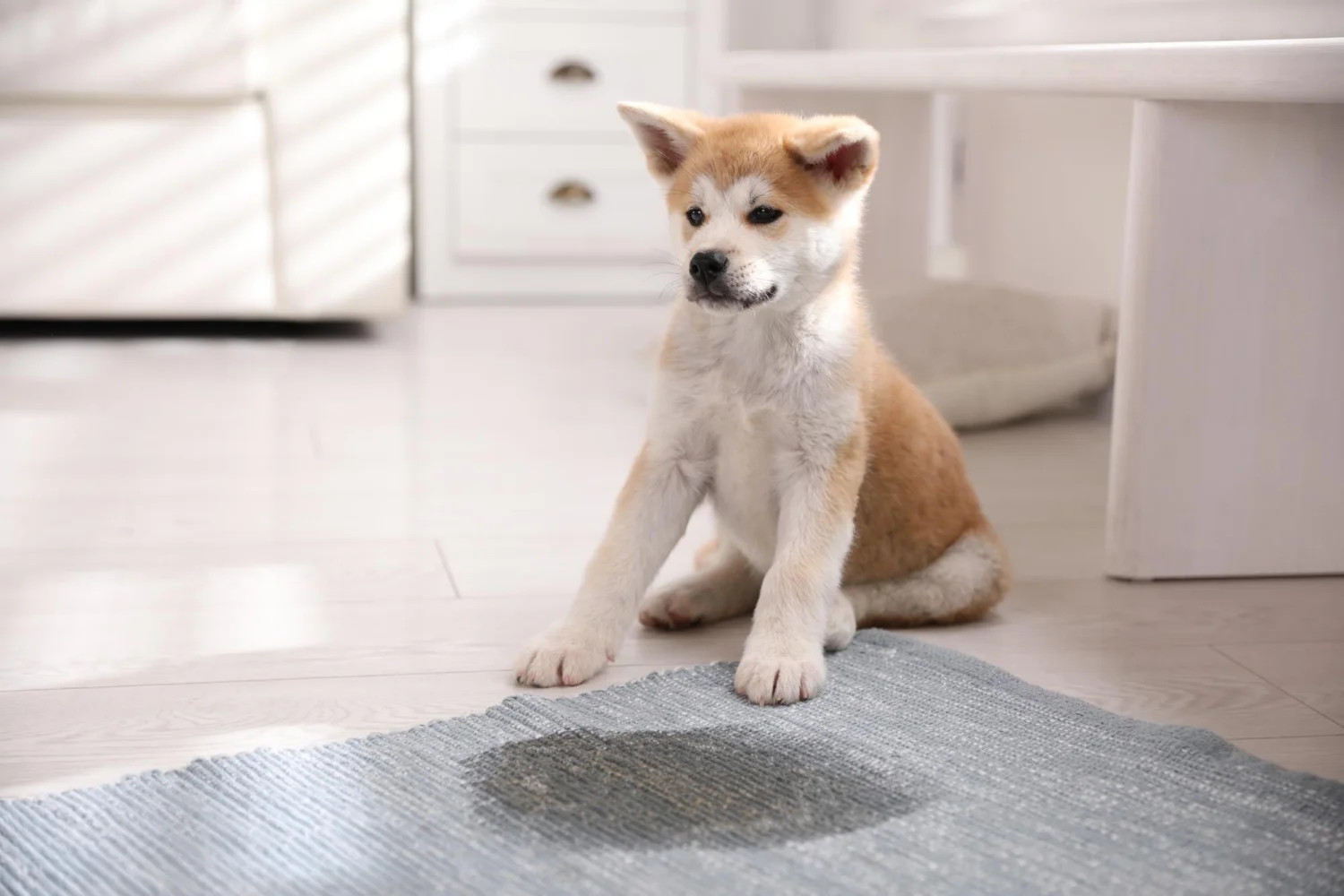
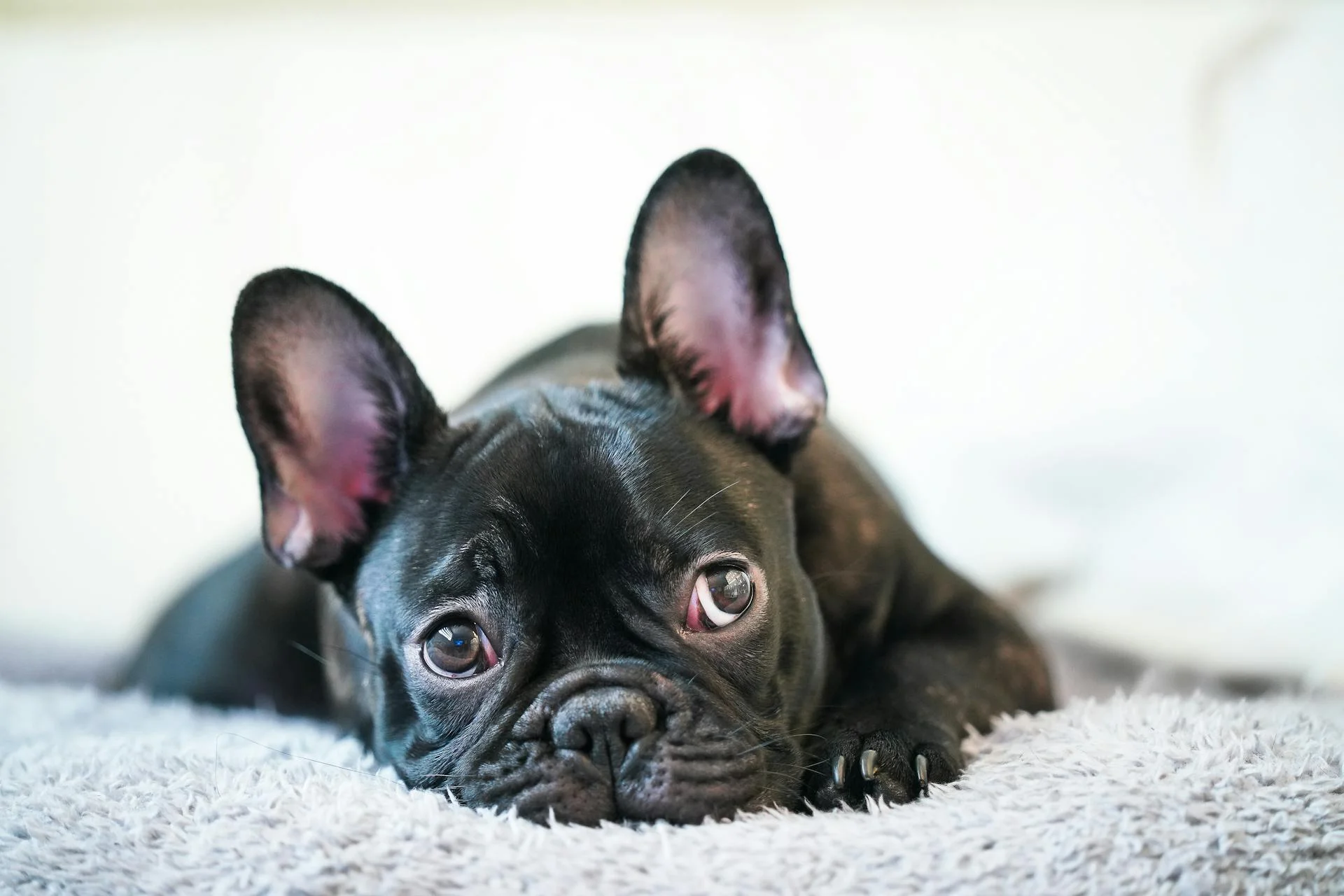
You look at your dog, and something seems off. Their face looks a little different. They seem slower than other dogs. You wonder, “Can dogs have down syndrome?” We get this question a lot. And we want to give you a real, clear answer. Not a confusing one. Here is everything you need to know, broken down simply.
Down syndrome is a condition in humans. It happens when a person has an extra copy of chromosome 21. Humans have 23 pairs of chromosomes. That extra chromosome changes how the body and brain develop.
People with Down syndrome may have:
It is a well-known condition in people. But what about dogs?
The short answer is no. Dogs cannot have Down syndrome the way humans do. Your dogs have 39 pairs of chromosomes, while humans have only 23. A duplication of chromosome 21 would have very different effects in dogs than it does in people. According to PetMD, there are three reasons why Down syndrome has not been confirmed in dogs:
So when you see a dog that looks like they might have Down syndrome, something else is likely going on. And that something else is very real and worth knowing about.
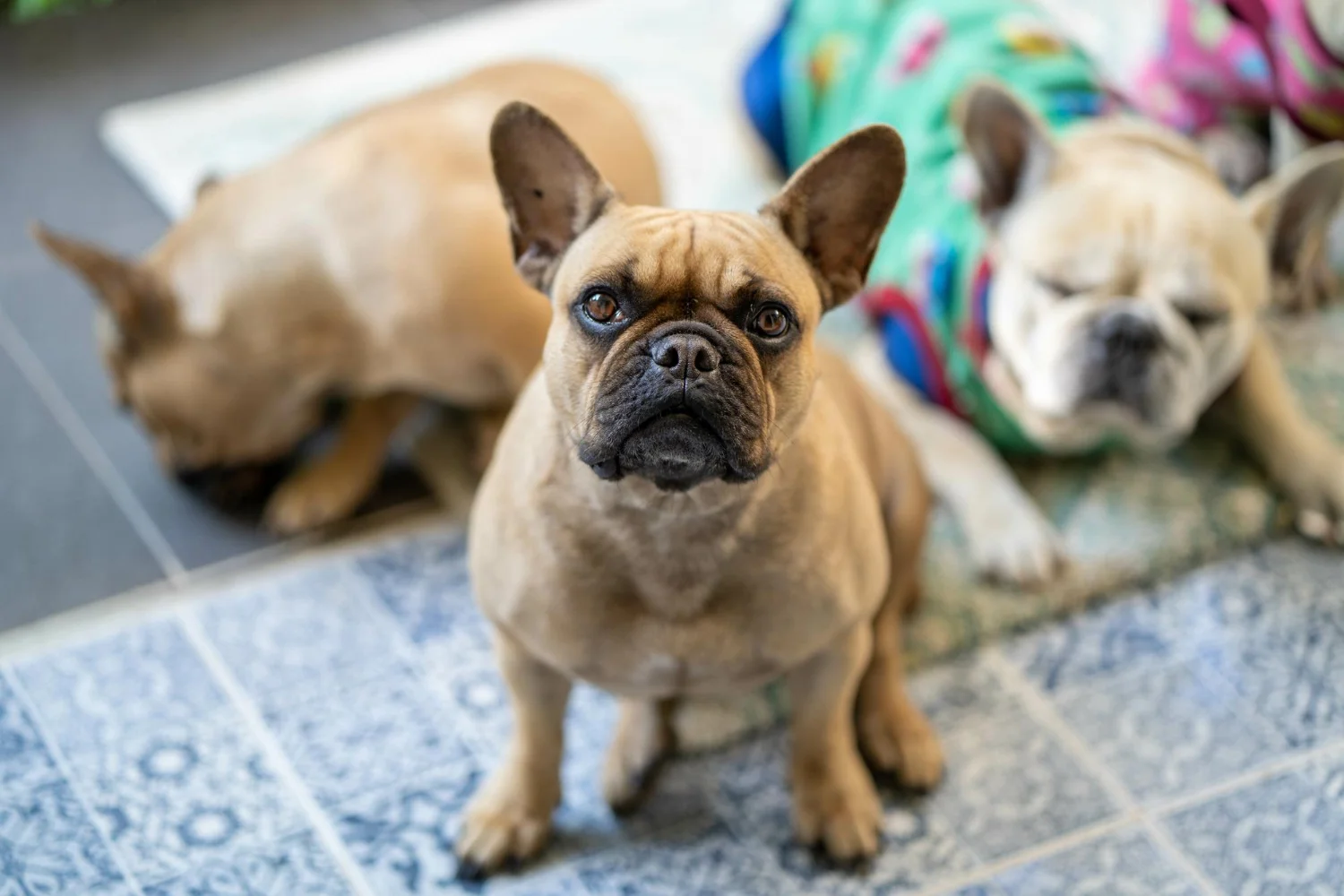
Several health conditions in dogs can cause features that look like Down syndrome. We want you to know what these are. If your dog shows any of these signs, take them to your vet right away.
This is one of the most common conditions that can mimic Down syndrome in dogs. It is caused by low or absent thyroid hormone levels at birth and early in life.
A dog with this condition may show:
The congenital hypothyroidism dog condition is treatable if caught early. Your vet can run a simple thyroid test.
This happens when the pituitary gland does not make enough growth hormone. The dog stays small and may look different from other dogs of the same breed. Their coat may also be thin or patchy. Their mental development can be slower too. You can read more about odd dog behaviors in our post on dog behavior and training tips to better understand your dog.
This means fluid builds up inside the skull. It puts pressure on the brain. A dog with hydrocephalus may have a dome-shaped head. They may seem confused or walk in circles, and their eyes may point outward. Congenital Hydrocephalus dog is a serious condition. Vets can diagnose it with an ultrasound or MRI. Treatment depends on how severe it is.
Beyond the conditions above, there are other genetic diseases in dogs worth knowing about. These are not the same as Down syndrome, but they can cause similar symptoms.
This is different from pituitary dwarfism but closely related. The dog’s body does not produce enough growth hormone. Their growth slows down, skin may look dull or flaky, and their coat can become coarse and thin. They may also show delayed mental development. If you notice your dog is not growing like other puppies of the same breed, talk to your vet. You also need to get your pups from ethical breeders, who do genetic testing. Moreover, a blood test can check hormone levels.
This is a genetic condition where blood bypasses the liver. Toxins that the liver should clean out stay in the bloodstream. This can affect the brain and your dogs may seem confused or stare blankly. They may be smaller than normal. They may have behavior changes or seizures. This condition can often be managed with diet, medication, or surgery. Early diagnosis matters a lot here. You may have also read about dogs acting strange when sick. You can check out our post on is your dog vomiting blood but acting normal for signs that need urgent vet attention.
Some dogs are born with heart problems that affect how their body develops. They may be smaller, tire easily, and seem mentally slow. Their gums may look pale or bluish. Their overall development may lag behind other dogs their age. Your vet can detect this with a stethoscope and an echocardiogram.
We know it can be scary to think something is wrong with your dog. But the earlier you spot these signs, the better the outcome. Here are signs to look out for:
If you see any of these, do not wait. Book a vet visit. Do not try to diagnose your dog at home.
We want you to feel confident, not scared. Here is what to do if your dog shows unusual signs:
You can also check resources like the American Kennel Club’s health library for more info on genetic conditions in dogs.
We know you love your pet deeply. That is why we are here. At Ecopetessentials, we share honest pet health info, helpful product reviews, and real training tips. We write for pet owners just like you. Bookmark this site right now. Save it to your home screen. Come back every week for fresh pet care tips that help you be the best pet parent possible. You will not regret it. Your dog will thank you too. 🐾
➥ Can dogs have Down syndrome like humans do?
No, dogs cannot have Down syndrome. Their chromosomes are very different from ours, so this exact condition does not apply to them.
➥ What does it mean when your dog looks like they have Down syndrome?
Your dog likely has a different condition. You should take them to a vet for proper testing and a real diagnosis.
➥ Can a dog be born with a chromosomal abnormality?
Yes, dogs can be born with chromosomal issues. But these often cause early death before any diagnosis is ever made.
➥ What is congenital hypothyroidism in dogs?
It is a condition where your dog is born with very low thyroid hormone. It can cause slow growth, poor muscle tone, and cognitive delays.
➥ Is pituitary dwarfism dangerous for dogs?
It can be. Your dog may stay very small and have health issues. You should speak with your vet about management options as soon as possible.

Castiel Smith cares deeply about animals and the planet. He loves sharing tips that help people take better care of their pets while being kind to nature. Whether it’s about eco-friendly pet products or simple ways to take care of your fur babies, Cas loves sharing Behavior & Training Tips.