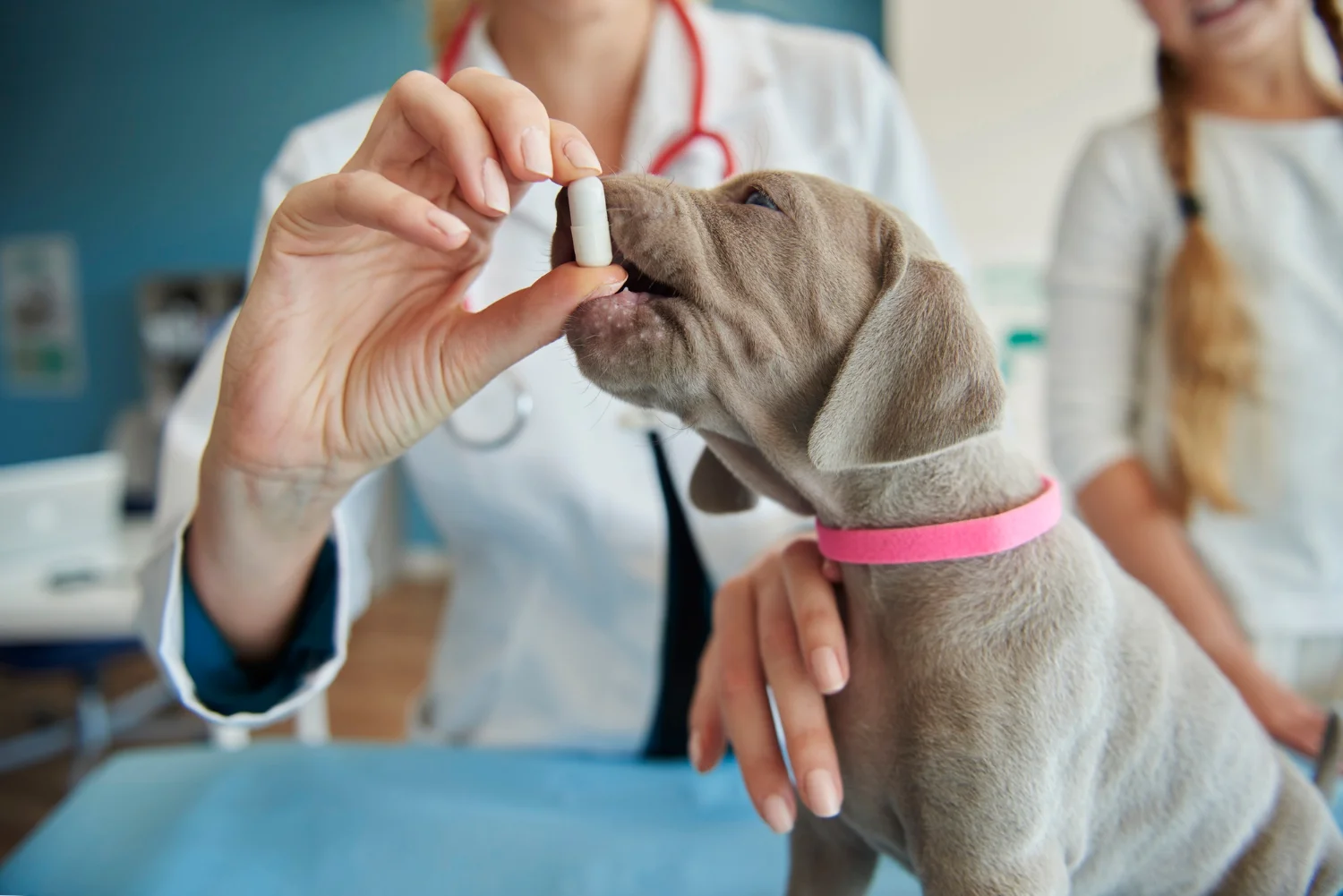
Dogs can’t use words to tell us how they feel, so they show it through their actions. Many common behaviors, like eating grass, licking, shaking, or barking, can sometimes be signs of anxiety. For pet parents, it can be confusing and even worrying to figure out what’s normal and what might be a cry for help. At Ecopetessentials, we believe every dog deserves comfort, calm, and a safe environment. That’s why we’re diving deeper into the reasons behind these habits. Therefore, by knowing what to look out for, you’ll be better prepared to give your dog the support they need. We are going to answer some of the most Googled questions about man’s best friend.
One of the most common questions that every pet owner always asks is, “Why is my dog eating grass?” Some dogs munch on grass when they have an upset stomach, while others may do it simply because they like the taste or texture. Now, many vets agree that it’s harmless. However, if your dog vomits often after eating grass, you should check with your vet.

Your dog might have a bizarre habit of poop eating. Therefore, you might be wondering, “Why do dogs eat poop?” or even “Why do dogs eat their own poop?” This behavior, called coprophagia, can happen if dogs are bored, anxious, or lacking certain nutrients. Sometimes, puppies copy their mothers, who clean their area by eating poop. While it’s gross to us, it’s not unusual for dogs. However, you can get rid of this habit with training, and a better diet and keeping their space clean can help stop it.
As a dog owner, you are already used to licking and getting dog slobber over you. But, you do wonder, “Why do dogs lick you?” The answer is usually simple: they are showing love or trying to get attention. Licking might also be a way for dogs to taste something salty on your skin. While it’s usually harmless, excessive licking may mean your dog is anxious.

If you’ve ever asked, “Why is my dog shaking?” it could mean different things. Some dogs shake when they’re cold, while others shake when they’re scared or nervous. Therefore, shaking may also signal pain or illness. If your dog is shaking too often, then it’s important to get your dog checked by a vet.
Dog barking is natural. However, constant barking can be a sign of stress or anxiety. Some dogs bark when they hear noises, while others do it when they feel lonely. If barking becomes a problem, training and calming methods can help. For dogs with serious anxiety, vets may recommend dog anxiety meds.
Just like people, dogs can suffer from anxiety. This can cause shaking, barking, and destructive behavior. Sometimes, natural remedies such as calming supplements, pheromone diffusers, or anxiety wraps help manage mild anxiety, and they don’t cause any side effects either. However, in other cases where anxiety is more severe or debilitating, vets suggest anxiety meds for dogs to provide relief and improve the dog’s emotional well-being. These medications can make dogs feel calmer and more comfortable in stressful situations like fireworks, thunderstorms, vet visits, car rides, or being left alone for long periods, like when you’re at work. The goal of dog anxiety meds is not to sedate your pet but to help them cope better with triggers that would otherwise cause extreme distress.

Many pet parents ask about using Xanax for dogs or alprazolam for dogs when searching for anxiety solutions. Xanax is the brand name for alprazolam, a human medication from the benzodiazepine family that vets sometimes prescribe for dogs with severe anxiety or panic disorders. While some refer to it casually as “dog Xanax” or “doggy Xanax,” this is a potent medication that must be respected.
The relationship between dogs and Xanax, or alprazolam and dogs, involves understanding both benefits and risks. The terms dog and Xanax or Xanax and dogs should always be discussed in the context of veterinary care, not as do-it-yourself solutions.
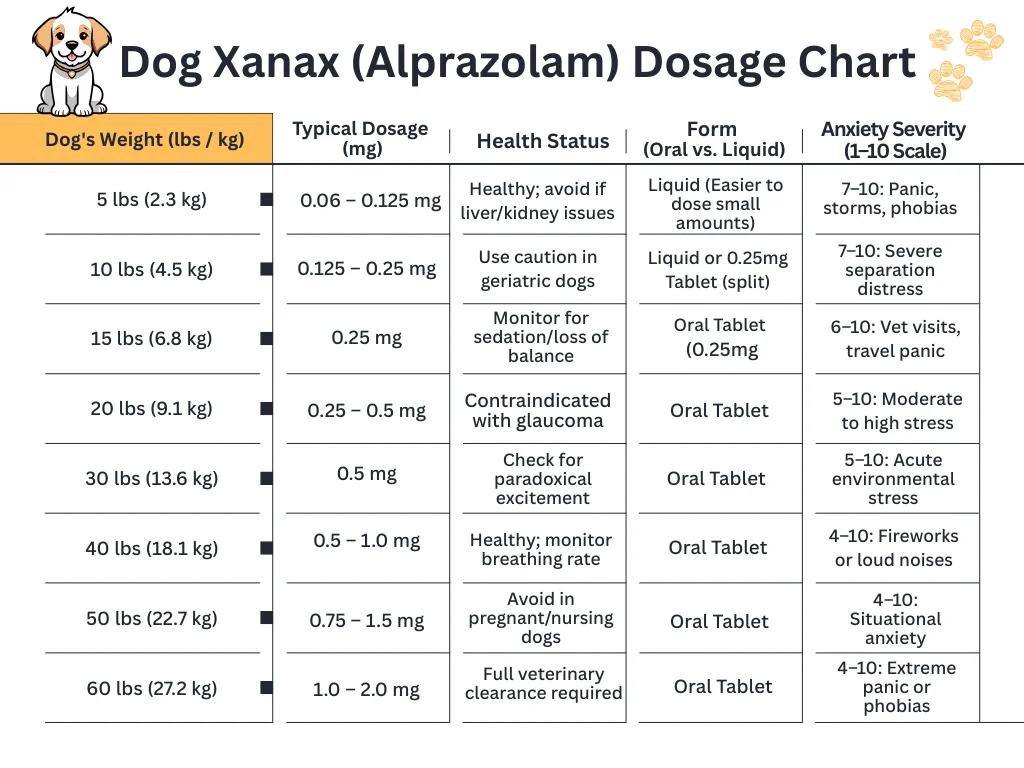
The dosage for Xanax for dogs is not the same as for humans, and the wrong amount can be dangerous or life-threatening. The dog dose of Xanax, or alprazolam dose for dogs, must be carefully calculated based on weight, health status, and anxiety severity. The dog Xanax dose, or alprazolam dog dosage, varies significantly between animals. Factors like breed, age, medical conditions, and other medications influence the appropriate alprazolam canine dose. Pet owners ask “How much Xanax can you give a dog” or wonder about alprazolam for dogs dosage, but there’s no one-size-fits-all answer. The dog dose Xanax or alprazolam canine dosage must be individualized. Typical alprazolam in dogs dosing ranges from very small to slightly higher doses depending on the situation, but details should come from your vet. References mention dosage for Xanax for dogs or Xanax dosage for dogs by weight, but without professional guidance, self-dosing is risky.
Key dosing points:
Never give Xanax without professional guidance. Even with online information about alprazolam dogs or canine alprazolam, self-medicating can cause serious complications.
Just like any other medicine, Xanax also has certain side effects. Alprazolam dogs side effects or side effects of Xanax for dogs, vary, and unusual reactions should be reported to your vet immediately. You have to keep an eye on your dog and watch for these dog Xanax side effects after giving them the dosage:
Some dogs may be prescribed Alzam for dogs, another brand name for alprazolam. All forms of alprazolam in dogs require careful monitoring and veterinary oversight. Side effects of Xanax for dogs should be discussed with your veterinarian before treatment, and you should understand what to watch for. While Xanax for dogs provides significant anxiety relief when used appropriately, it’s a powerful medication demanding respect and professional management throughout treatment.

If your dog shows unusual habits like eating grass, licking too much, or shaking often, the best step is to observe them closely and talk with your vet. Sometimes, these behaviors are normal, but other times, they may be a sign your dog needs help. When it comes to anxiety, medications like dog anxiety meds or vet-approved options are a good idea. Meds like Xanax for dogs can make a big difference. Xanax and dogs is a serious topic requiring ongoing supervision. Questions like “Can you give a dog a Xanax?” “Can you give Xanax to a dog?” “Can you give dogs Xanax?” or “Can you give Xanax to dogs?” all have one answer: only under veterinary direction.
Dogs can’t talk to us, so their actions are their way of communicating. You have to understand that by paying attention to their behavior, like “Why do dogs eat poop?” or “Why is my dog shaking? ” you can help make their lives better. At Ecopetessentials, we believe that a well-cared-for pet makes the best companion. Therefore, you can keep your dog happy and healthy with love, care, and sometimes the right treatment. Many owners search “How much Xanax for a dog” or “How much Xanax for dog,” but only a licensed veterinarian can answer safely. We wrote this blog by thoroughly searching the topic, understanding your dog’s needs, and making sure that you give them the right dosage, which vets tend to recommend. For more dog care tips and medicine recommendations, you can bookmark our blog.
➥ Why do dogs eat grass when they are anxious?
Dogs may chew grass out of boredom or stomach upset, but anxious dogs often use it as a calming habit. If it becomes frequent or leads to vomiting, consult your vet.
➥ Why do dogs eat their own poop?
This behavior, known as coprophagia, can happen due to stress, lack of nutrients, or boredom. Dogs with anxiety sometimes do this as a coping mechanism, so reducing stress and improving diet can help.
➥ Can dogs take Xanax for anxiety?
Yes, but only under a veterinarian’s prescription. Xanax for dogs (also called alprazolam for dogs) can calm severe anxiety, but the dosage for Xanax for dogs is different from humans and must be carefully managed by a vet.
➥ Why is my dog shaking if it’s not cold?
Shaking can mean fear, stress, or anxiety. Dogs often tremble during fireworks, storms, or vet visits. If shaking is frequent, ask your vet about safe dog anxiety meds.
➥ What are safe treatments for dog barking caused by anxiety?
Excessive barking may signal stress or separation anxiety. Training, mental stimulation, and sometimes dog anxiety meds can help reduce barking and keep your pup calm.
➥ Can you give a dog Xanax for anxiety?
Many pet owners ask if you can give a dog Xanax for anxiety. A veterinarian decides the dog Xanax dose and dog dose of Xanax safely.
➥ How much Xanax for a dog?
People often ask how much Xanax for a dog or how much Xanax can I give my dog. A vet determines the correct dog Xanax dose.
➥ What is the safe dog dose of Xanax?
The dog dose of Xanax depends on weight and health. Always ask a vet how much Xanax for a dog before giving medication.

Castiel Smith cares deeply about animals and the planet. He loves sharing tips that help people take better care of their pets while being kind to nature. Whether it’s about eco-friendly pet products or simple ways to take care of your fur babies, Cas loves sharing Behavior & Training Tips.