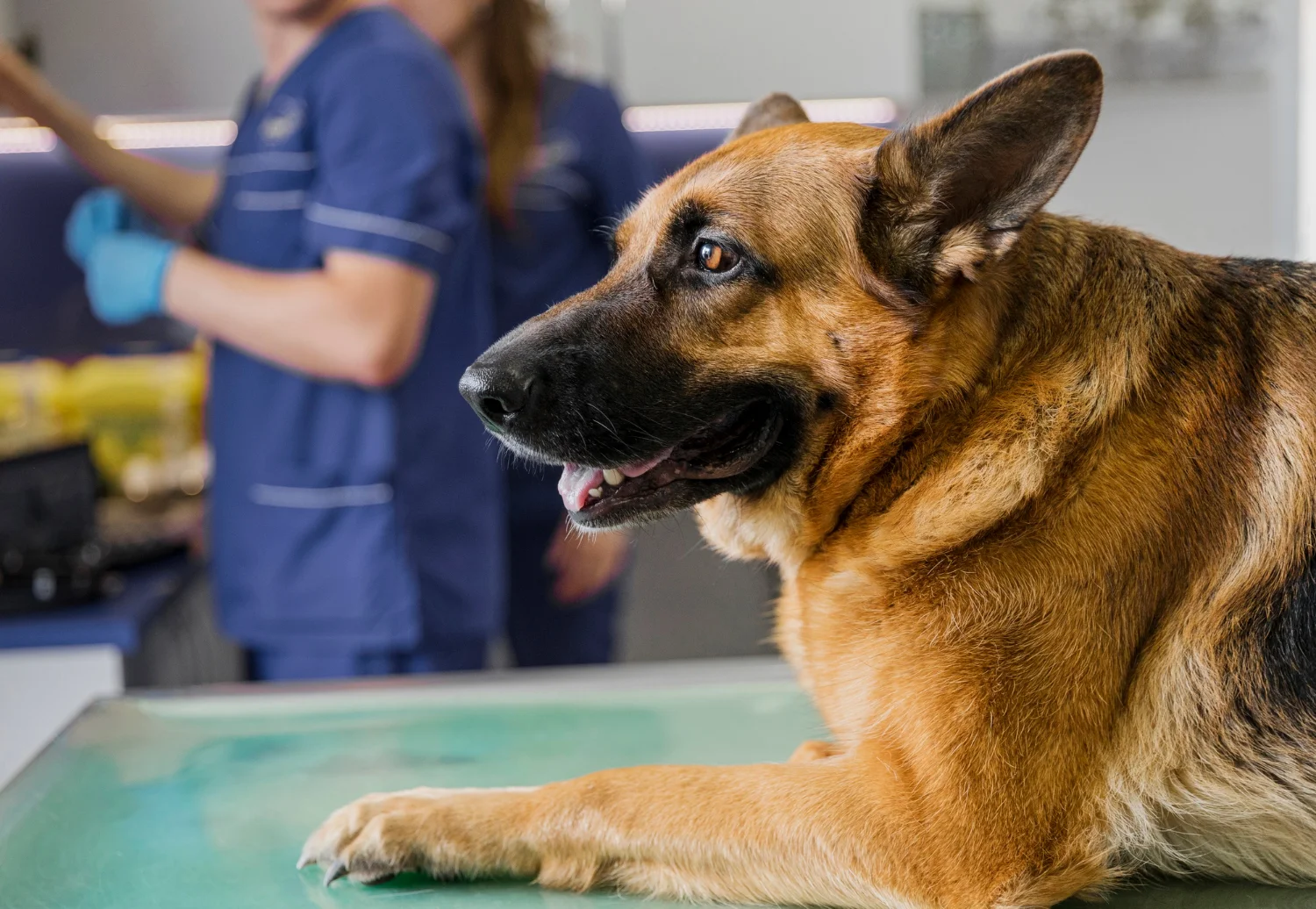

Bird flu in dogs is becoming a concern for pet parents worldwide. While these cases are still rare, recent reports show that dogs can catch this virus under certain conditions. At Ecopetessentials, we believe informed pet owners make safer choices for their furry companions. This blog gives you clear, easy-to-follow information without fear or confusion. We’re here to help you understand the risks, point out the symptoms, and keep your dog safe. Let’s talk about what you need to know before it’s too late!
A rare and tragic case in Alberta, Canada, has highlighted the risk of bird flu in dogs. In December 2025, a 10-year-old female goldendoodle dog died after eating a wild Canada goose infected with H5N1 avian influenza. The dog quickly developed severe breathing problems, seizures, extreme lethargy, and neurological decline. Despite veterinary care, the dog did not survive. Lab tests confirmed H5N1, marking one of Canada’s second documented fatal cases in dogs. The first case was reported in Oshawa, Ontario, in 2023. Health officials found no human infections. This case serves as a wake-up call for all pet parents. The signs of bird flu in dogs can progress rapidly.
In early 2025, several states reported increased avian flu activity in wild birds. This raises the risk for our pets. Health officials urge pet parents to stay informed. The CDC monitors these cases closely. We update our readers regularly about new developments.
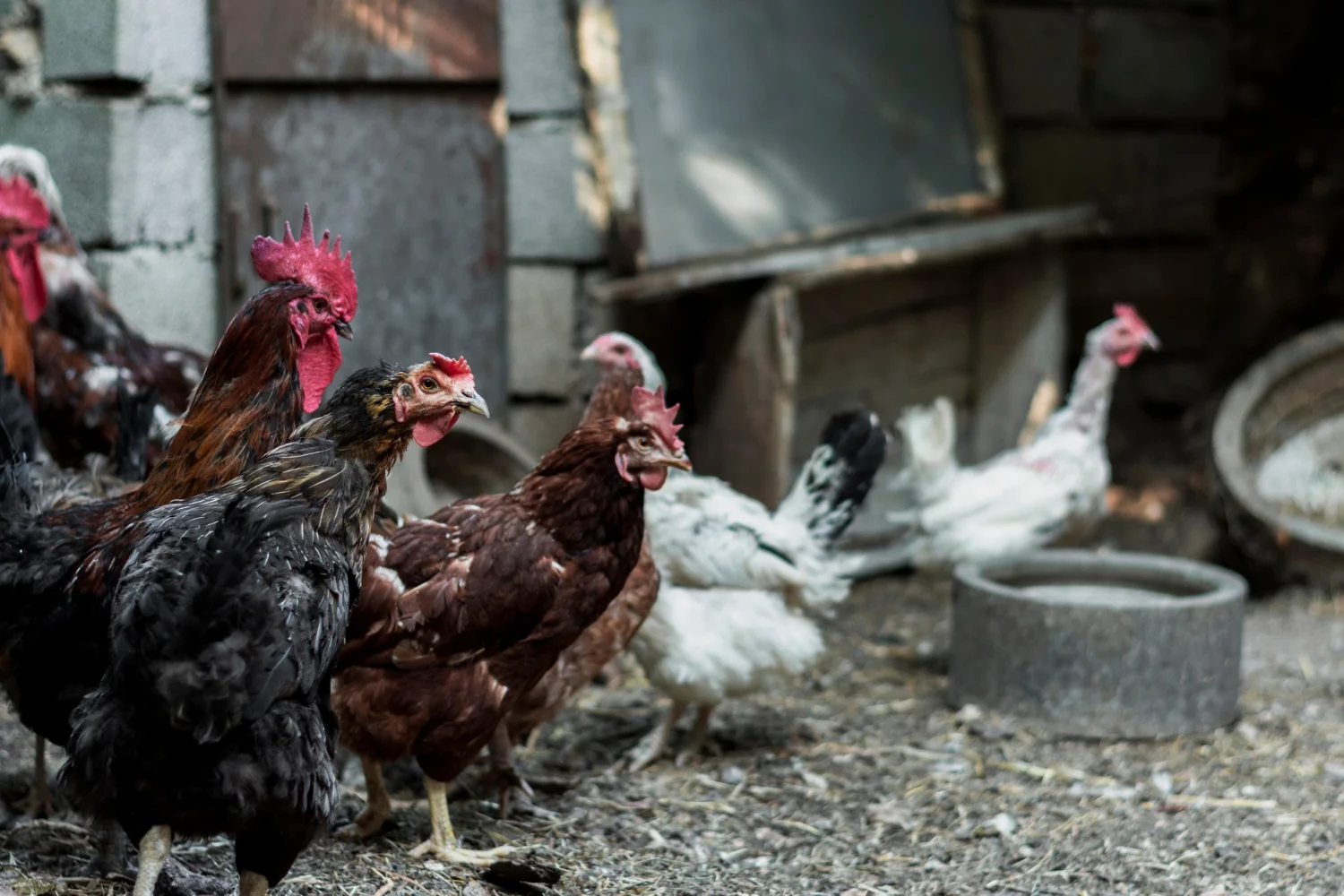
Bird flu, also called avian influenza, is a viral infection that mainly affects birds. The H5N1 strain is the most dangerous type. This virus spreads quickly among wild birds and poultry farms. According to the World Organization for Animal Health, millions of birds die from avian flu each year. In 2023 alone, over 58 million birds were affected in the United States. These numbers keep rising globally. The virus lives in bird droppings, saliva, and nasal secretions. When infected birds shed the virus, it can spread to other animals. This includes our pets.
Yes, dogs can catch bird flu, but it’s very uncommon. Most cases happen when dogs eat infected birds or come into contact with contaminated environments. The American Veterinary Medical Association confirms that companion animals can get avian influenza. However, dog-to-dog transmission is extremely rare. Experts warn pet owners to prevent dogs from scavenging dead birds, especially in high-risk wildlife areas.
Knowing the signs of bird flu in dogs can save your pet’s life. You have to watch for these symptoms:
Respiratory Problems:
General Illness:
Neurological Signs:
If your dog shows any of these signs after contact with birds, act fast. Time matters when dealing with avian flu dogs.
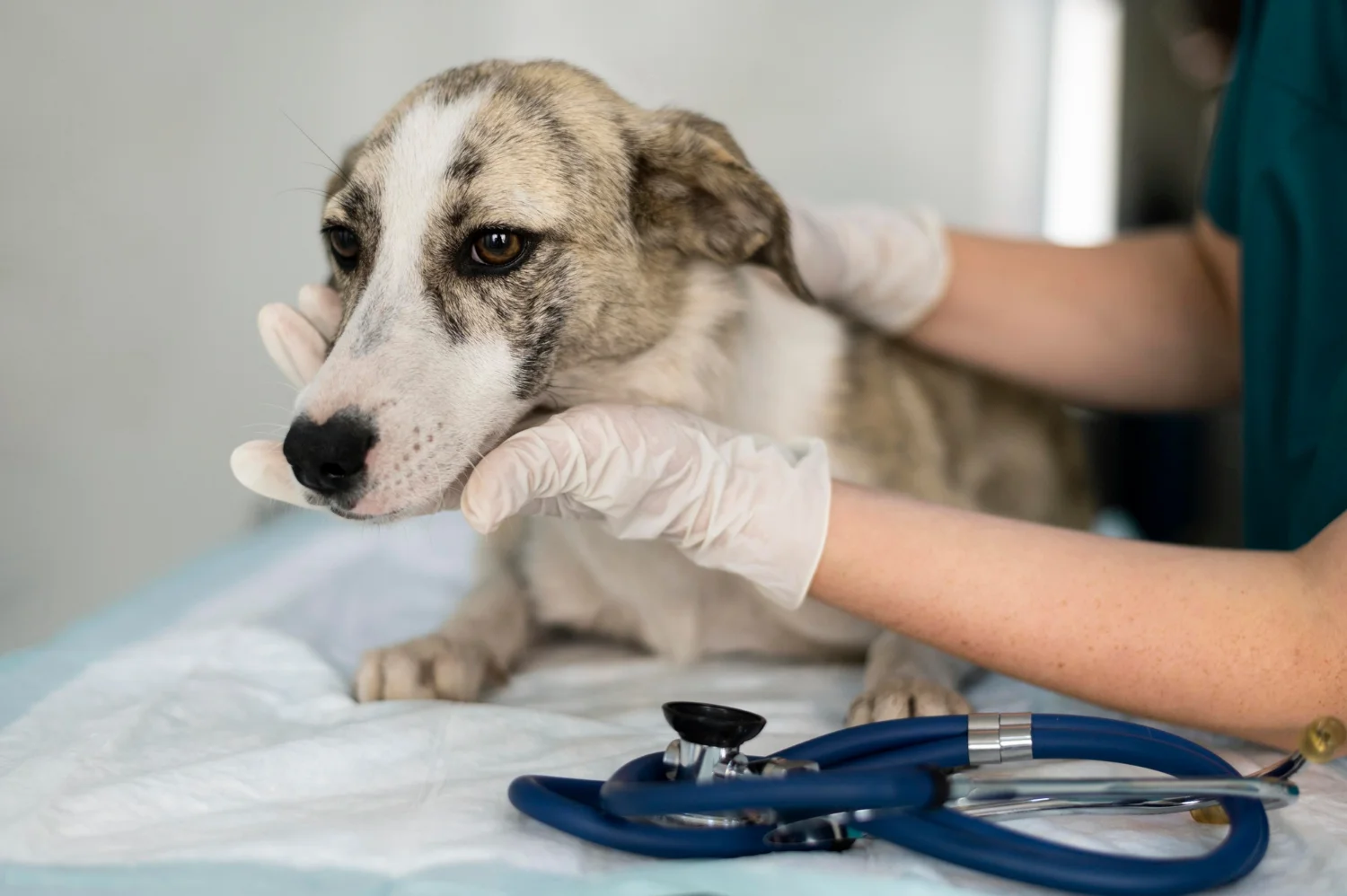
Do dogs get the flu? Yes, and bird flu requires immediate action. Here’s what we recommend:
Step 1: Isolate Your Pet: It is vital that you keep your dog away from other pets and family members. This prevents potential spread.
Step 2: Contact Your Vet: You have to call ahead before visiting. It is important that you tell them about possible bird exposure. Your vet needs to prepare for your arrival.
Step 3: Avoid Contact: Wear gloves and wash your hands thoroughly. The virus can spread to humans too.
Step 4: Monitor Closely: Write down all symptoms and when they started. This helps your vet make accurate decisions.
Your veterinarian will likely run tests to confirm the diagnosis. Early treatment improves your dog’s chances significantly. If you think the symptoms seem unusual, there’s a chance your dog may have caught the flu from you.
We believe prevention is the best medicine. Here are practical ways to protect your pet:
Outdoor Safety:
Home Environment:
Training Matters: You can check out our basic obedience training tips to teach your dog the “leave it” command. This skill can literally save their life.

Currently, there’s no specific vaccine for bird flu and dogs. However, keeping up with regular vaccinations helps your dog’s immune system stay strong. The Guide Dogs organization recommends maintaining all standard vaccinations. Moreover, a healthy immune system fights infections better.
Talk to your vet about:
You can check out product review section for immune-supporting dog foods and supplements we recommend.
Dogs can occasionally catch bird flu, making prevention important for every pet parent. Stay alert but do not panic as most dogs never encounter this virus. We’re committed to bringing you the latest pet health information. Bookmark Ecopetessentials for trusted advice on pet care, behavior training, and product reviews. Our mission is keeping your pets healthy and happy. You have to share this information with fellow pet parents. Together, we create safer communities for our beloved dogs. Keep reading our blog for more life-saving tips and updates.
➥ Can bird flu spread from dogs to humans?
Yes, but it’s extremely rare. Transmission requires close contact with infected dogs. Always practice good hygiene and wash your hands after handling sick pets.
➥ How long does bird flu survive in the environment?
The virus can live in bird droppings for weeks, especially in cold weather. Avoid areas with visible bird waste and clean your dog’s paws after walks regularly.
➥ Are certain dog breeds more susceptible?
No specific breeds are more vulnerable to avian flu. However, dogs with weakened immune systems face higher risks. Keep your pet’s health optimized through proper care.
➥ Should I stop walking my dog during outbreaks?
No need to stop walks entirely. Just avoid areas with dead birds or heavy waterfowl populations. Keep your dog leashed and supervise them closely during outdoor time.
➥ What’s the survival rate for dogs with bird flu?
Limited data exists, but early treatment improves outcomes significantly. The key is recognizing symptoms quickly and getting immediate veterinary care for your pet.

Castiel Smith cares deeply about animals and the planet. He loves sharing tips that help people take better care of their pets while being kind to nature. Whether it’s about eco-friendly pet products or simple ways to take care of your fur babies, Cas loves sharing Behavior & Training Tips.