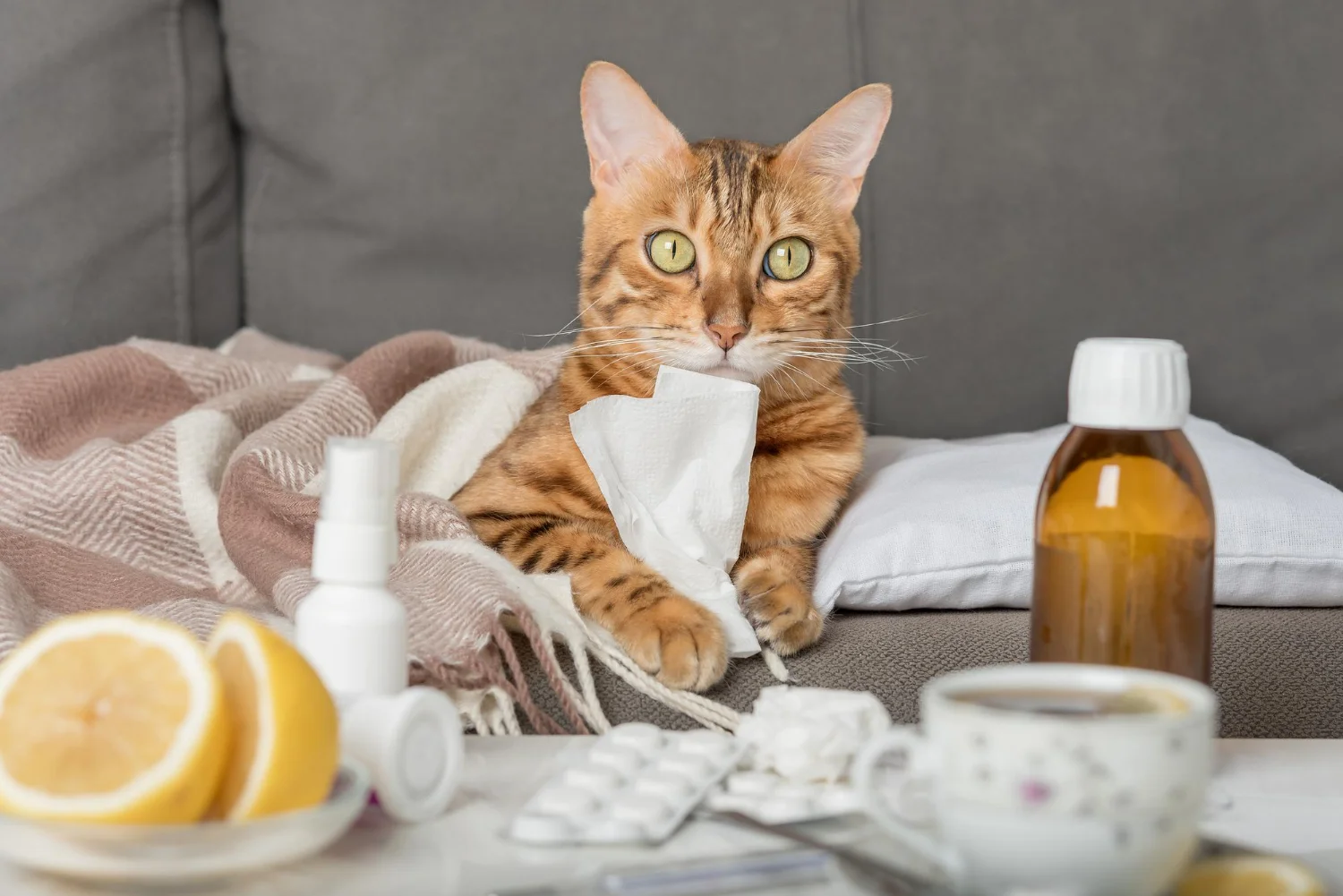
Yes, cats can get a cold. It is not exactly like your cold. But it feels just as miserable for them. If your cat is sneezing and acting tired, they might have a cold right now. Vets call it an upper respiratory infection (URI). It looks and feels a lot like a human cold. According to PetMD, about 90% of cat colds come from two viruses: feline herpesvirus and feline calicivirus. Both are highly contagious between cats. At Ecopetessentials, we want to help you spot it fast and act smart.
These are the most common cat cold symptoms we see reported by cat owners:
If you see yellow-green discharge from the eyes or nose, that is a red flag. It may mean a bacterial infection on top of the cold. Your cat might also develop Mouth sores. It is less common but possible.
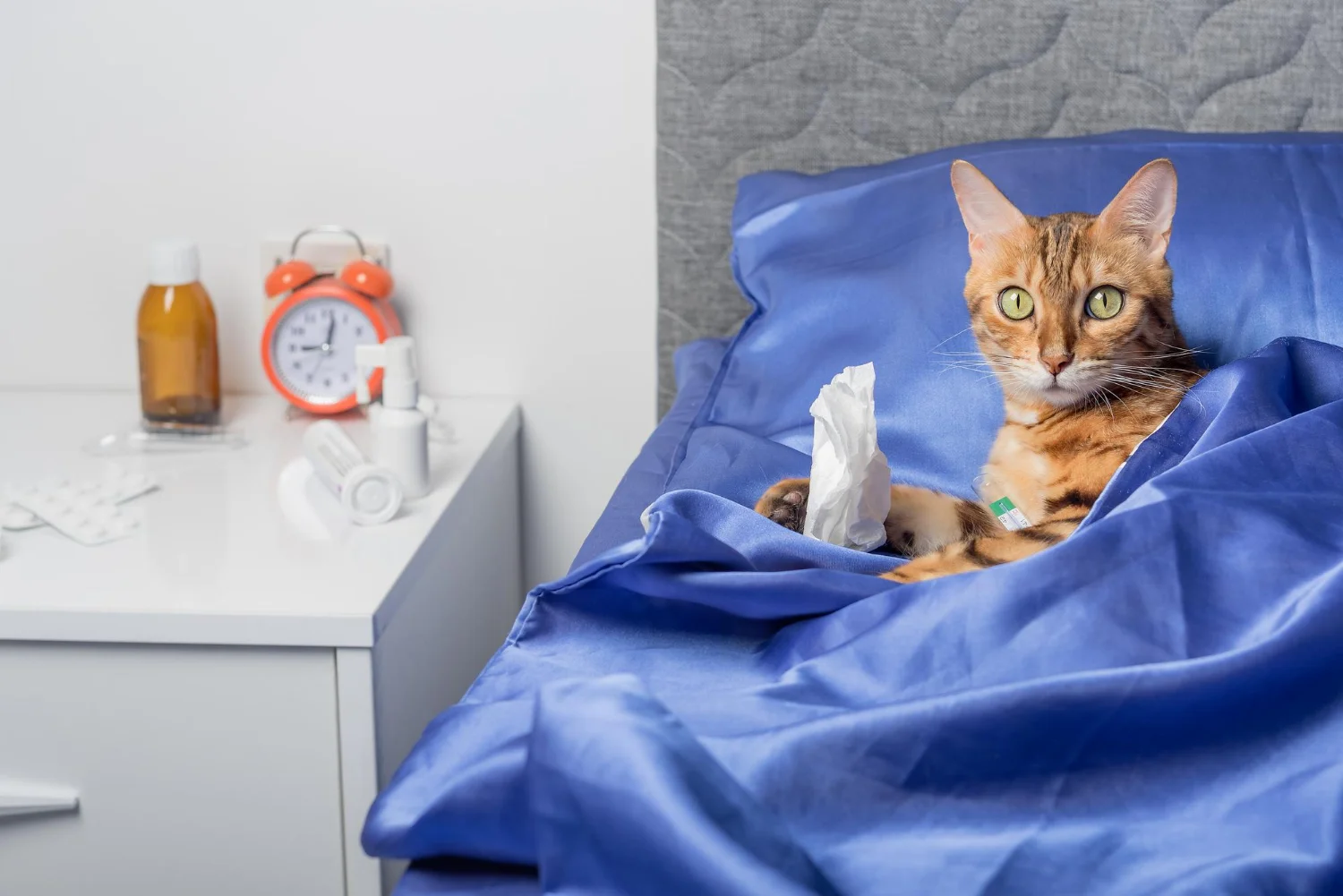
We want you to know there are two main types of cat colds:
Both spread through eye, nose, and mouth contact. Sharing food bowls or grooming each other spreads it too.
Always talk to your vet before giving your cat anything. But here are the top picks vets commonly recommend:
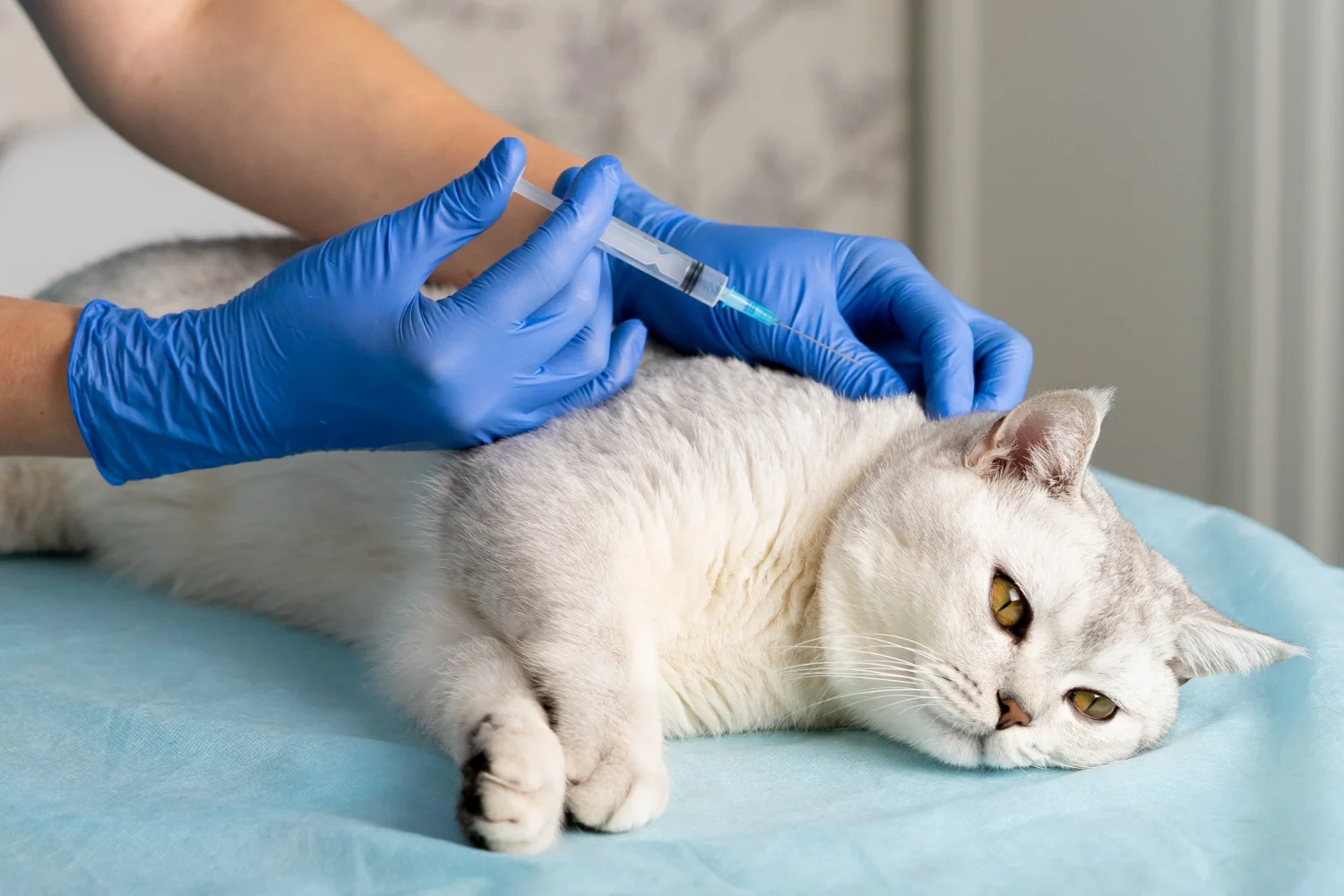
Most mild colds clear up in 7 to 10 days. But some signs mean you must go to the vet now:
Do not wait, as cats hide pain very well. If something feels off, trust your gut and call your vet. We also recommend reading our post on Can Dogs Get the Flu? to understand how pet respiratory illness compares across species.
You cannot always stop it. But you can lower the risk. Here is what we suggest:
For more tips on keeping your cat healthy and safe, check out our Care & Products section right here on Ecopetessentials.
Cat colds are common. They are also very treatable when you catch them early. We at Ecopetessentials put this together because we know you love your cat deeply. Bookmark this page right now. Save it to your phone. Share it with every cat owner you know. We update our pet care content regularly so you always have the freshest, most trusted info. Keep reading Ecopetessentials as your go-to spot for pet health, product reviews, and behavior tips that actually work.
Also read: FVRCP Cat Vaccine: Dosage, Timing & Aftercare Tips
➥How do you tell if a cat has a cold?
You will notice sneezing, runny nose, watery eyes, and low energy. These are the most common signs your cat might have a cold.
➥Can the FVRCP vaccine prevent cat colds?
It reduces the severity a lot. It does not always prevent infection fully, but your cat will recover much faster with the vaccine on board.
➥How do you treat a cat with a cold?
Keep your cat warm, hydrated, and comfortable. Your vet may prescribe antivirals or antibiotics if a bacterial infection is involved too.
➥Do cat colds resolve on their own?
Yes, mild colds often clear up in 7 to 10 days. But if symptoms get worse, you should visit your vet right away.
➥How do I check if my cat has a cold?
Look for discharge from the nose or eyes, sneezing, coughing, or fever. You can also gently feel for warmth on their ears or paws.

Isla Bennett loves Misty, her two-year-old British Shorthair. And she wants to help other pet parents make sustainable choices that are good for their pets and the planet. She writes about easy ways to care for animals using green products. Isla believes that happy pets and a healthy earth go hand in hand. Her goal is to make pet care simple, fun, and eco-friendly. She also gives you insights about different pet Breeds and traits!