You hear that soft rumble from your cat. It wraps around you like a warm blanket. But what does it mean when cats purr? Is it always a sign of happiness? Not always, and that might surprise you. Cats purr for many different reasons. Some are sweet, others are sad, and some are downright fascinating. We at Ecopetessentials are here to walk you through every type of purr, the science behind it, cute facts you’ll love, and what people around the world have believed about purring cats for centuries.
Have you ever wondered how that sound even happens? What organ is responsible for purring? A cat purrs with its mouth fully closed. Air moves over the glottis; that’s the opening between the vocal folds in the voice box. This opening and closing happens fast. We’re talking 20 to 40 times every single second. That rapid movement creates the vibration you hear and feel. The purr runs both ways when your cat breathes in and breathes out. The diaphragm helps keep it going in a smooth, steady rhythm. It’s basically a built-in engine. And it never stops sounding cozy.
Cats purr for more reasons than most people know. That soft rumble has a lot to say. Here are the five real reasons your cat purrs.
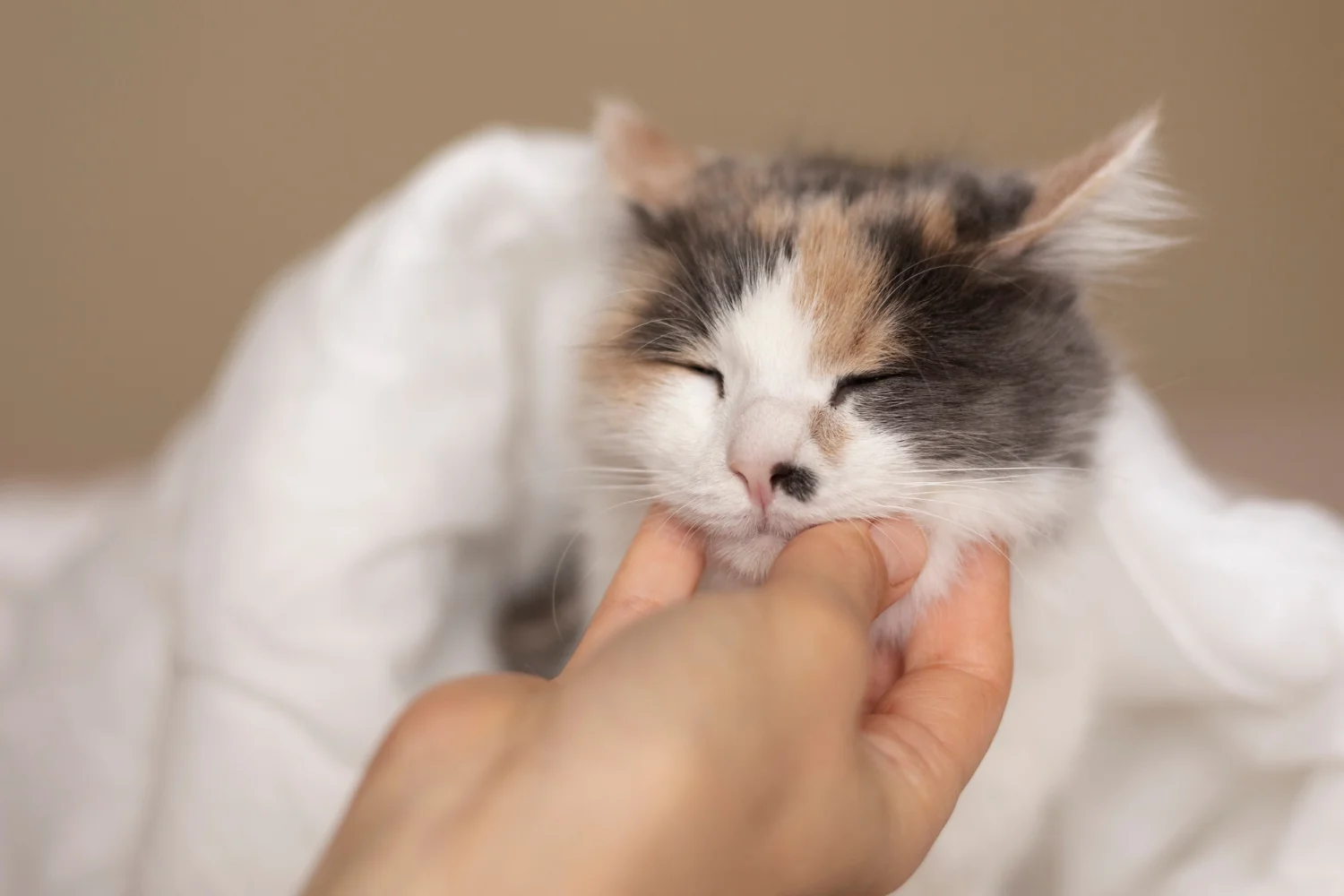
This is the one we all know. A content cat purrs. Look for these signs alongside the purr:
According to PetMD, cats purr when drowsy, eating, sunbathing, or resting in a loved one’s lap. It’s pure comfort.
Here’s the part that surprises people. Cats also purr when they’re scared or stressed. Some cats pace and purr at the same time. Others purr during vet visits.
Think of it like this: it’s their way of calming themselves down. It’s a self-soothing behavior. If your cat just got home from the vet and won’t stop purring, they’re probably trying to recover from the stress. You have to watch the body language. If they have flattened ears + purring = not a happy purr.
Cats are clever. They know purring gets results. There’s actually a specific type called the “solicitation purr.” It has a higher-pitched cry buried inside it. Researchers found that humans respond to it almost instinctively, like a baby’s cry. Your cat figured this out a long time ago. If it’s dinnertime and your cat won’t leave you alone while purring loudly? Yeah. They’ve trained you perfectly.
Cats greet both people and other cats with a short, soft purr. It’s like a friendly nod. Mother cats also purr when they walk toward their kittens. It’s a warm, welcoming sound. If your cat runs up to you at the door and starts purring before you even sit down, that’s a greeting purr. It means they missed you.
This one is important to know. Cats can purr when they’re unwell or in pain. It can be a way of asking for comfort. Some cats purr even in their final moments of life. It may be a self-comforting sound. We at Ecopetessentials always say, “Know your cat’s normal.” If the purring feels different, like more constant, lower, or happening alongside other symptoms, please check in with your vet. You can also read our post on Can Cats Get a Cold to spot early signs something’s off.
Not every purr sounds the same. Here’s a quick breakdown:
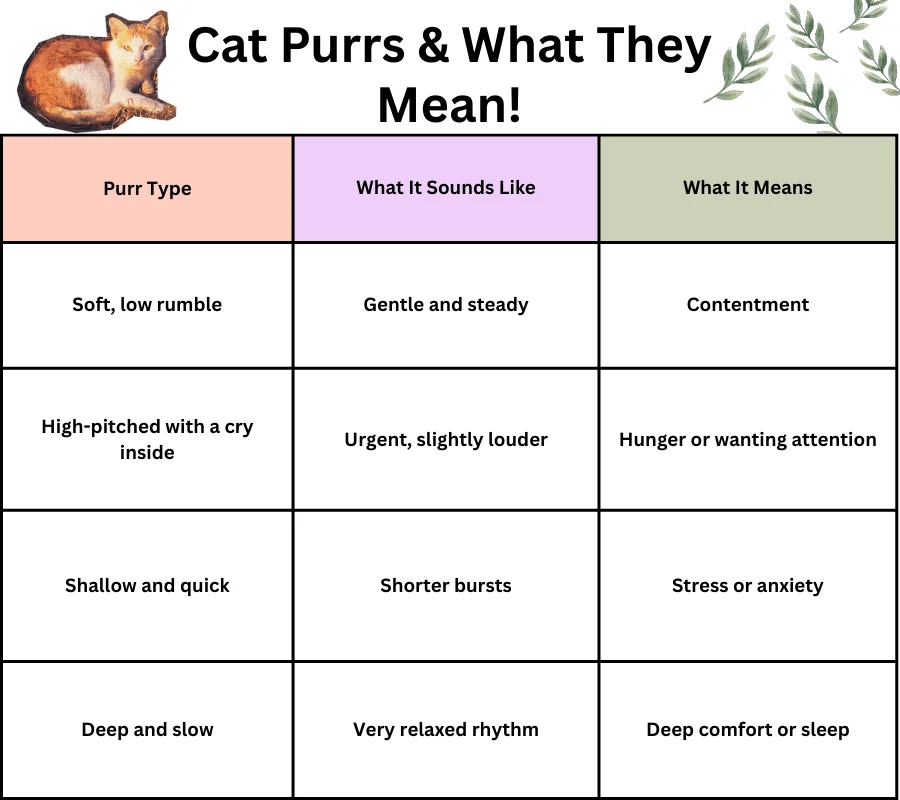
Learning your cat’s different purrs takes time. But once you do, you’ll understand them on a whole new level.
Here’s a cute fact we absolutely love. Kittens start purring when they’re just 2 days old. They purr while nursing from their mother and only pause long enough to swallow. It helps mum know they’re feeding well. It’s also thought to be a bonding signal between mother and kitten. Baby purrs are tiny. But they’re just as meaningful. If you’ve been thinking about bringing a kitten home, check out our post on Can Kittens Have Catnip? We cover what’s safe for your new little one.
You might have heard or seen a post stating, “Cat purrs can heal bones” and even hearts. So, you wondering, “Is cat purring beneficial to humans?” is totally valid. This is one of those facts that sounds too good to be true, but it’s backed by science. Cat purring happens at a frequency of 25 to 150 Hz. Researchers have found that vibrations at these frequencies can:
Yes, your cat’s purr might literally be good for your health too. That’s why sitting with a purring cat feels so calming. It’s not just in your head. Some scientists believe cats evolved this ability partly because it helped their own bones stay strong during long rest periods. Cats sleep a lot. Their bones need to stay healthy anyway. Purring may have become a way to keep their bodies strong while doing nothing.
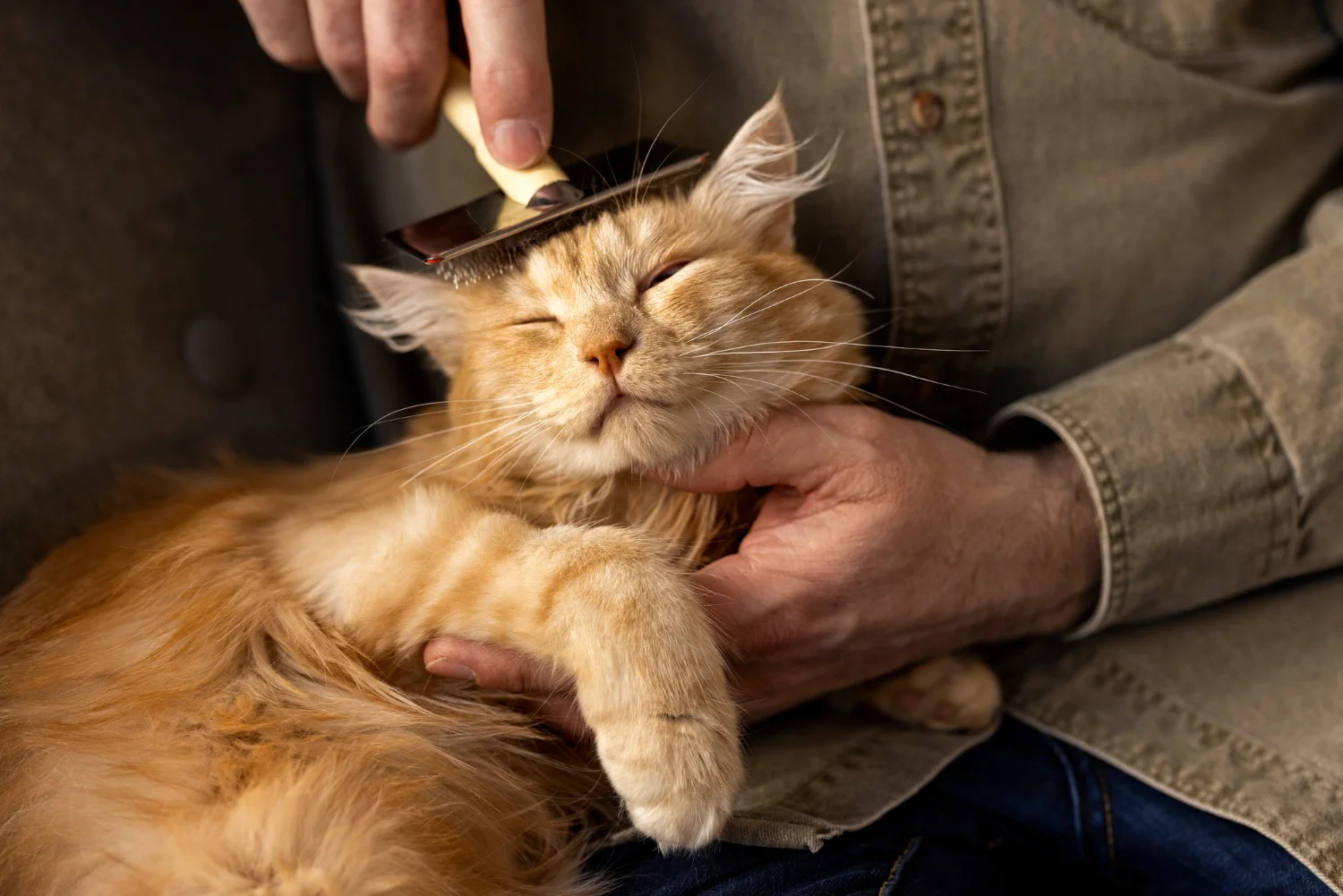
Cats and their mysterious sounds have fascinated humans for thousands of years. Different cultures have their own stories about purring cats.
Cats were sacred in ancient Egypt. The goddess Bastet was half cat, half woman. She was the goddess of home, fertility, and protection. Egyptians believed a purring cat in your home brought divine blessings and kept evil away. A purring cat was a very good sign.
In old Celtic stories, cats were fairy creatures. The “Cat Sìth” was a large fairy cat of Scottish legend. Hearing a cat purr near your hearth was believed to mean the home was protected. A purring cat by the fire meant warmth, safety, and good fortune for the household.
Japan has the iconic Maneki-neko, also known as the waving lucky cat. While not directly about purring, the belief that cats bring luck runs deep. In Japanese culture, a cat’s calm, contented sounds are seen as signs of harmony in the home. A settled, purring cat means the spirits of the house are at peace.
In Russia, it’s a tradition to let a cat enter a new home before the owners move in. The cat’s calm energy, especially if it settles and purrs, is seen as a sign that the home has good energy. A purring cat “blesses” the space.
Some Native American traditions view cats as spiritual animals with strong intuition. A cat purring near someone who is ill was seen as the cat offering its healing energy to the person. The purr was believed to carry comfort from the spirit world.
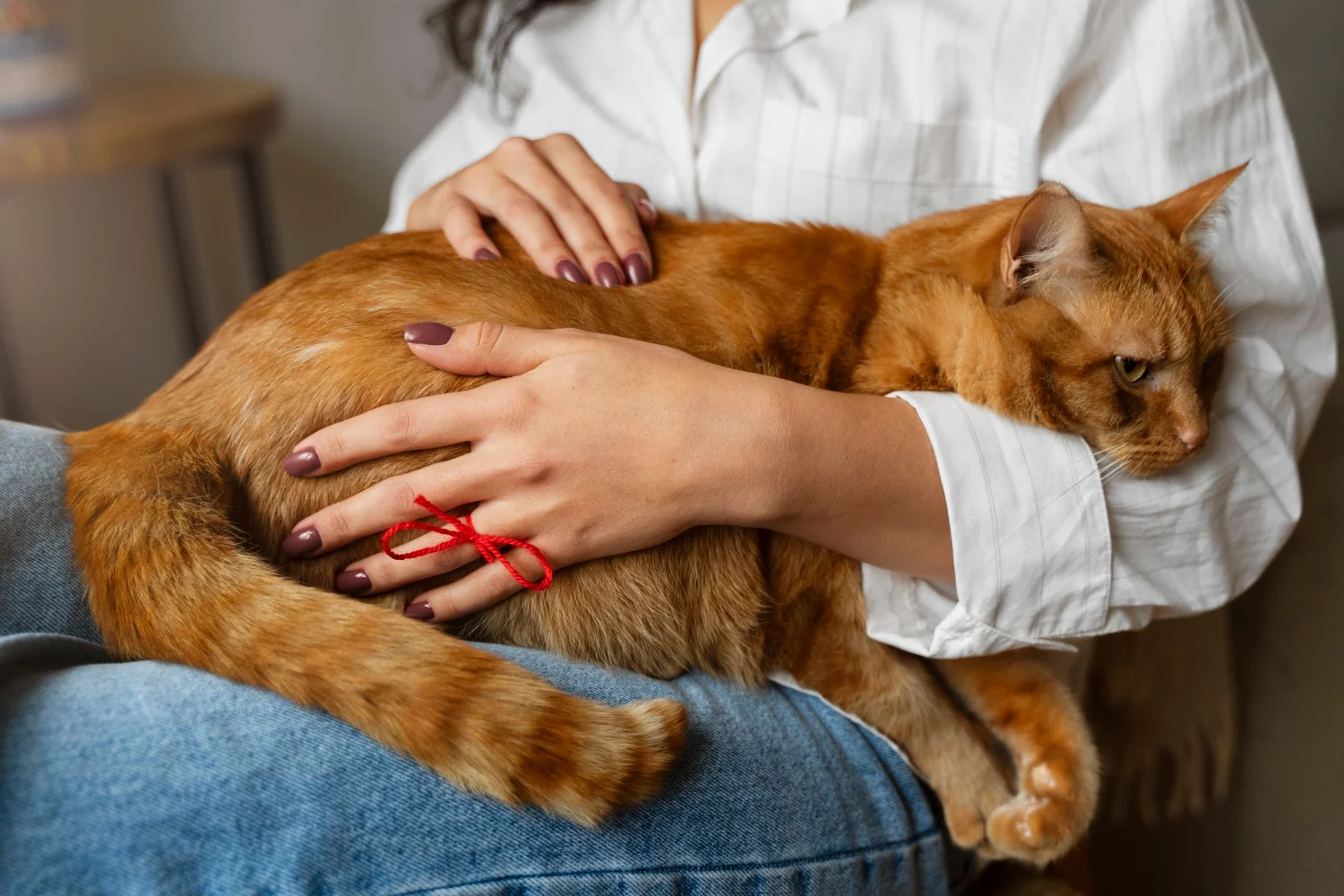
We saved the best for last:
Next time your cat purrs, take a moment and really observe. Look at:
Context tells you everything. And the more you pay attention, the better you’ll understand your cat. That connection is everything. If you want to learn more about your cat’s full communication style, our Behavior & Training Tips section is packed with helpful reads.
Now you know what does it mean when cats purr, and it’s so much more than just happiness. It’s their way of talking, healing, greeting, and even coping with stress. Every purr is a small window into their world. We love helping you understand your pets better here at Ecopetessentials. Bookmark this page. Save it for later. Come back whenever you need answers about your cat, your dog, or any pet you love. We update our blog regularly with tips, product picks, and behavior advice that actually helps. You and your pet deserve the best, and we’re here to make sure you have all the info to give them just that. 🐾
Also Read: Why Does My Cats Breath Smell So Bad?
➥ What does it mean when cats purr loudly?
A loud purr usually means your cat is very content or really wants your attention. Check their body language to know which one it is.
➥ Do cats purr when they are mad?
Not typically. But they may purr when stressed or scared. If your cat looks tense while purring, give them some space.
➥ Can purring hurt your cat?
No, purring is completely natural and safe for your cat. It takes almost no energy and happens both when breathing in and out.
➥ Why does my cat purr when I pet them?
Your cat is telling you they enjoy your touch. It’s also a gentle signal asking you to keep going. You’re doing great!
➥ Is it bad if my cat never purrs?
Some cats purr very softly or rarely. It doesn’t mean something is wrong. Every cat is different in how they express themselves.

Maya Fields is passionate about animals and saving the earth. She writes to help pet owners make smart choices with proper Care & Products! From healthy treats to earth-safe toys, she believes every pet deserves love and care. Maya wants everyone to enjoy life with pets by choosing the right products.