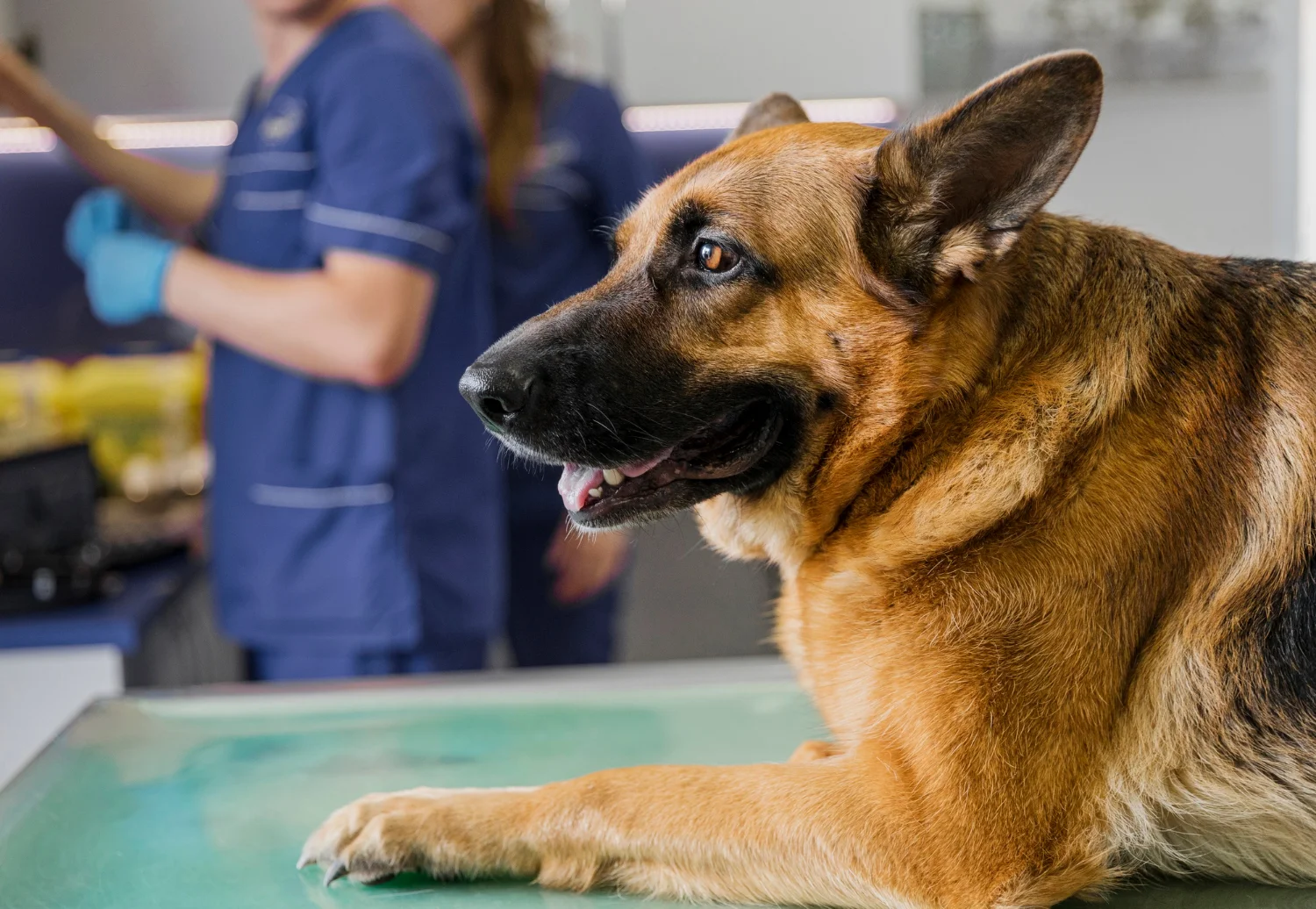

Is your dog sick and you’re wondering if strepto penicillin can help? You are not alone. Many dog owners ask us this every week. Penicillin is one of the oldest antibiotics in the world. But giving it to your dog the wrong way can do more harm than good. We put together everything you need to know. Let’s get into it.
Strepto penicillin is a combination antibiotic. It mixes procaine penicillin G with streptomycin. Together, they fight a wider range of bacteria than either drug alone.
Penicillin alone works well against gram-positive bacteria. Streptomycin covers gram-negative bacteria. So when combined, you get a broad-spectrum antibiotic. That’s why vets often use it for tough or mixed infections.
You may see it sold under names like:
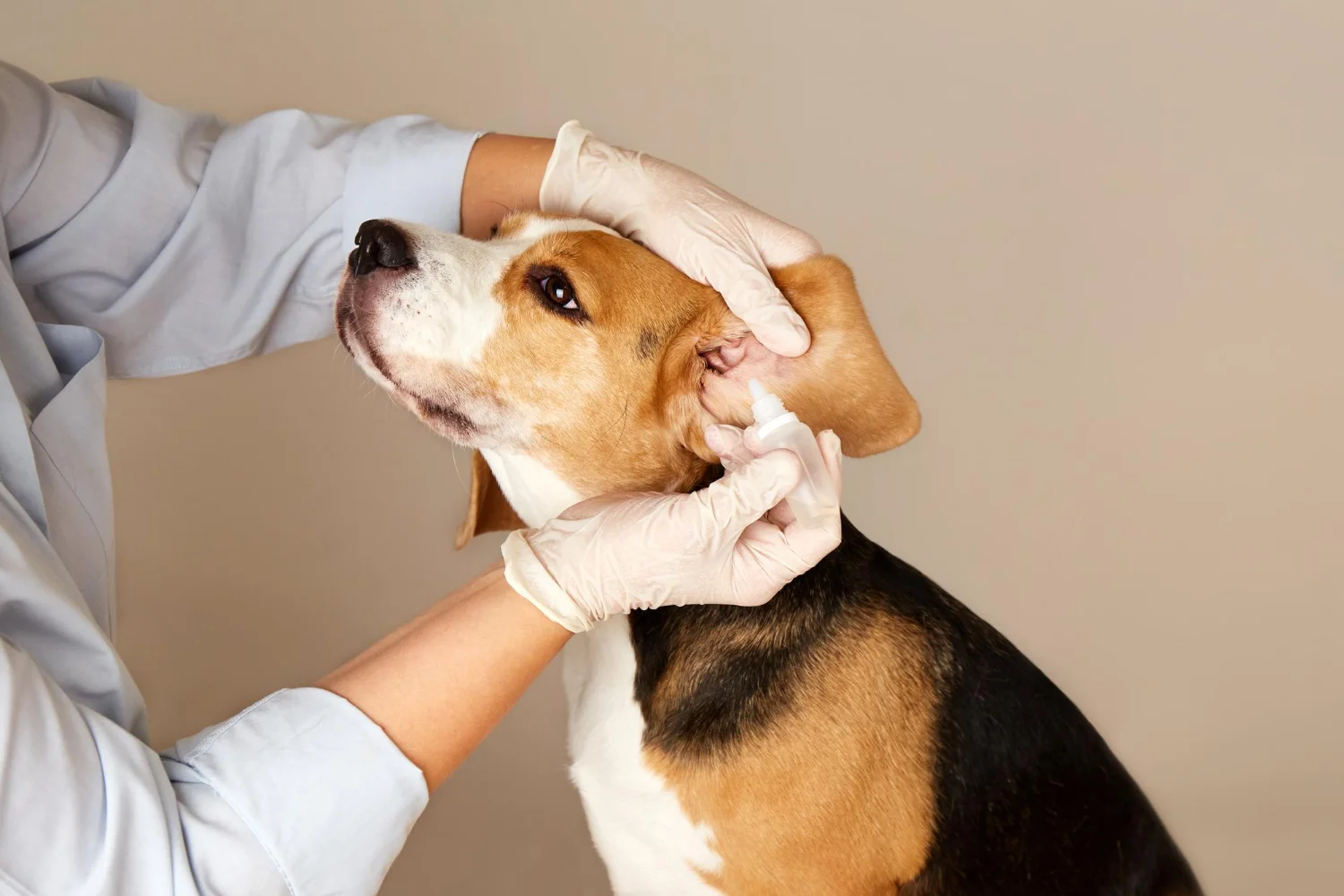
It comes as a ready-to-use injectable suspension. Most vets give it as an intramuscular (IM) or subcutaneous (SC) injection. It is not a tablet you can just hand your dog at home.

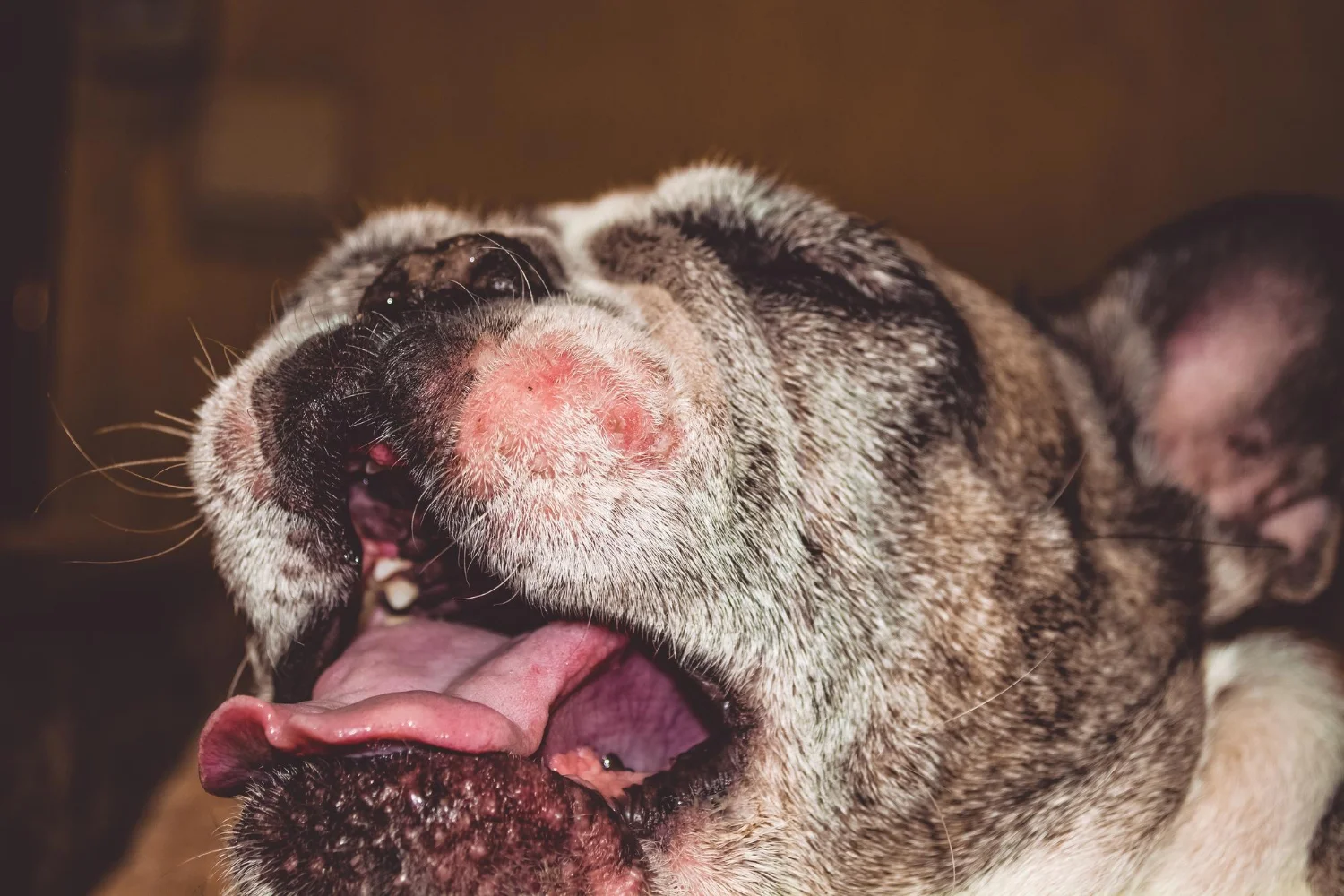
Vets don’t just hand out penicillin for every cough or scratch. They use it when a bacterial infection is confirmed or strongly suspected. Here are the most common reasons a vet will reach for penicillin or strepto penicillin:
Most vets in North America and Europe suggest penicillin only after they know the bacteria is sensitive to it. Giving it blindly can lead to antibiotic resistance. That makes future infections much harder to treat.
This is a big question we get a lot. Please do not give your dog human penicillin without your vet’s approval. Here’s why:
Always get a prescription from your vet. It’s not worth the risk.
Penicillin attacks bacteria by blocking their cell wall from forming. Without a cell wall, the bacteria fall apart and die. It does not kill viruses. So if your dog has a cold or flu, penicillin won’t help at all. It usually starts working within 1 to 2 hours of the first dose. But you may not see a big change for 1 to 2 days. That’s normal. Keep giving the full course even if your dog seems better. Stopping early is one of the most common mistakes dog owners make. It lets bacteria survive and come back even stronger.
This is the part most people come here for. Below is a general reference table. Always follow your vet’s exact instructions. This table is based on standard Penicillin G dosing guidelines used in veterinary medicine.

For strepto penicillin combination injections (IM/SC): Most products dose dogs at 0.5 to 1 mL per 7.5 kg of body weight, given once daily. Treatments usually run 3 to 5 days, or as your vet directs.
For Benzathine + Procaine Penicillin G combo, the federal guideline (21 CFR § 522.1696a) for dogs is 1 mL per 10 to 25 lbs, repeated every 48 hours. Penicillin G is available in concentrations of 200,000 to 800,000 units per capsule. Injectable forms vary widely. Always check your product label.
⚠️ This table is for reference only. Your vet may adjust the dose based on your dog’s age, health, and the type of infection.
Most of the time, the vet will give the first injection at the clinic. But if your vet sends you home with injectable penicillin, here is how to do it safely:
Never inject more than your vet tells you to and never guess the dose.
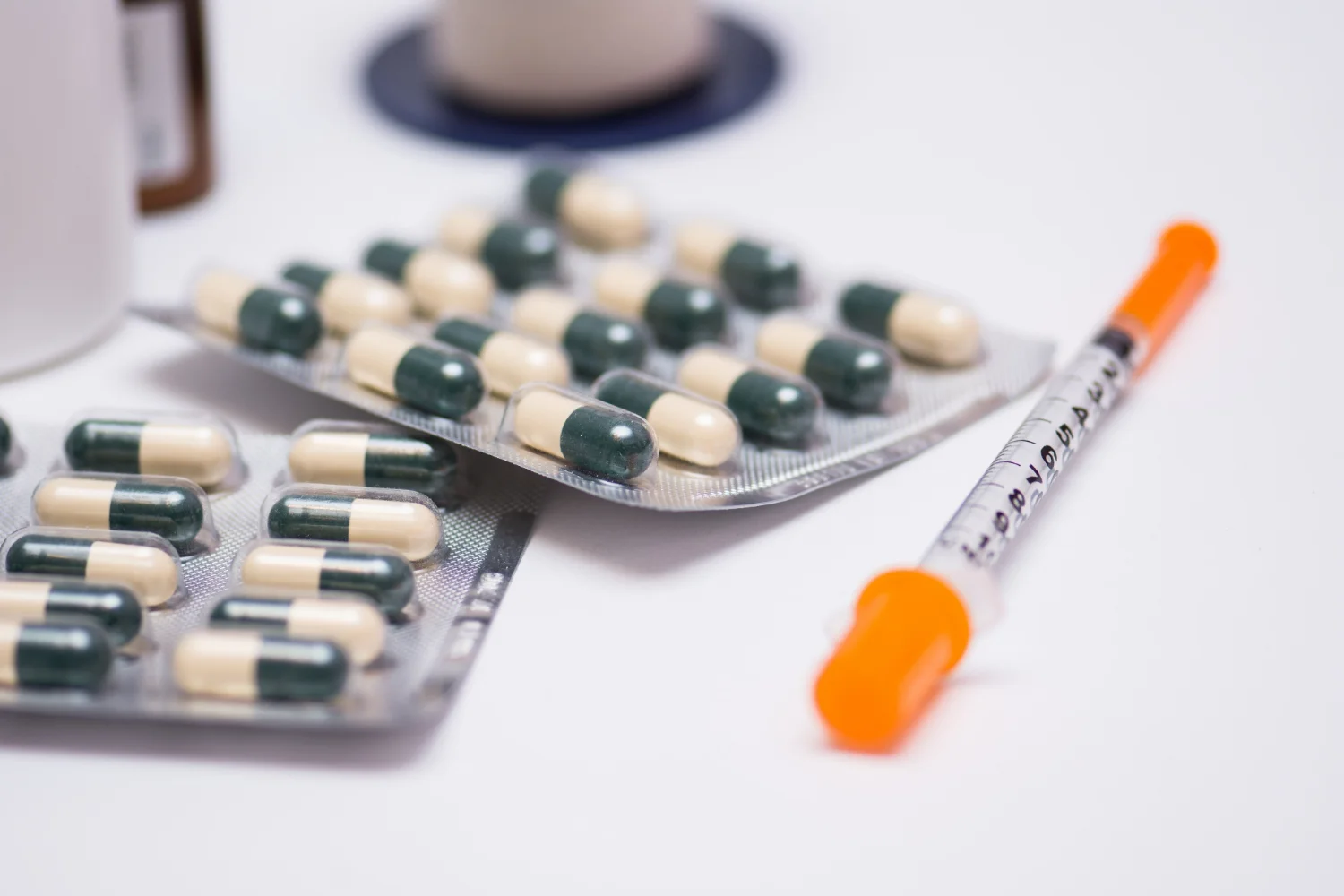
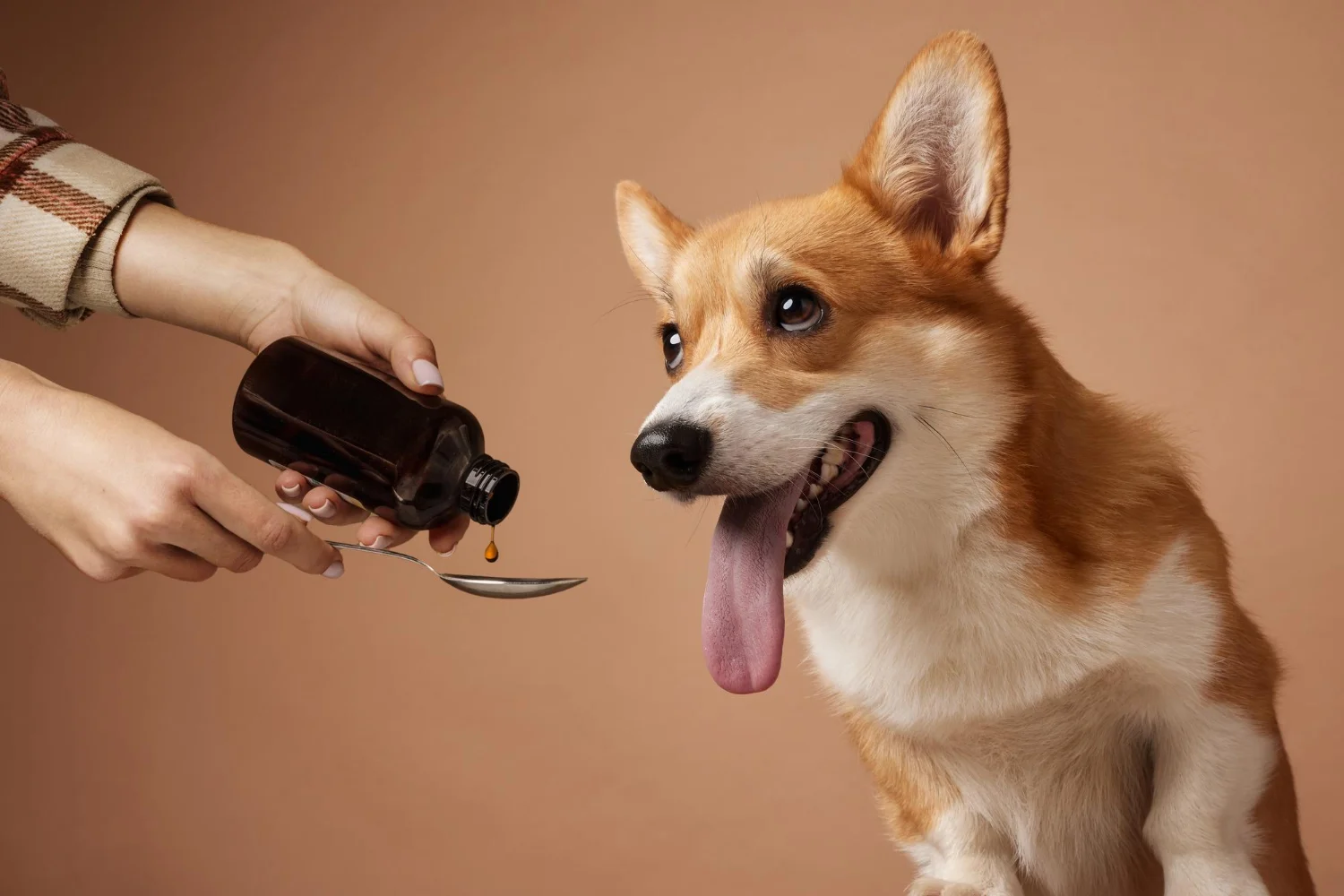
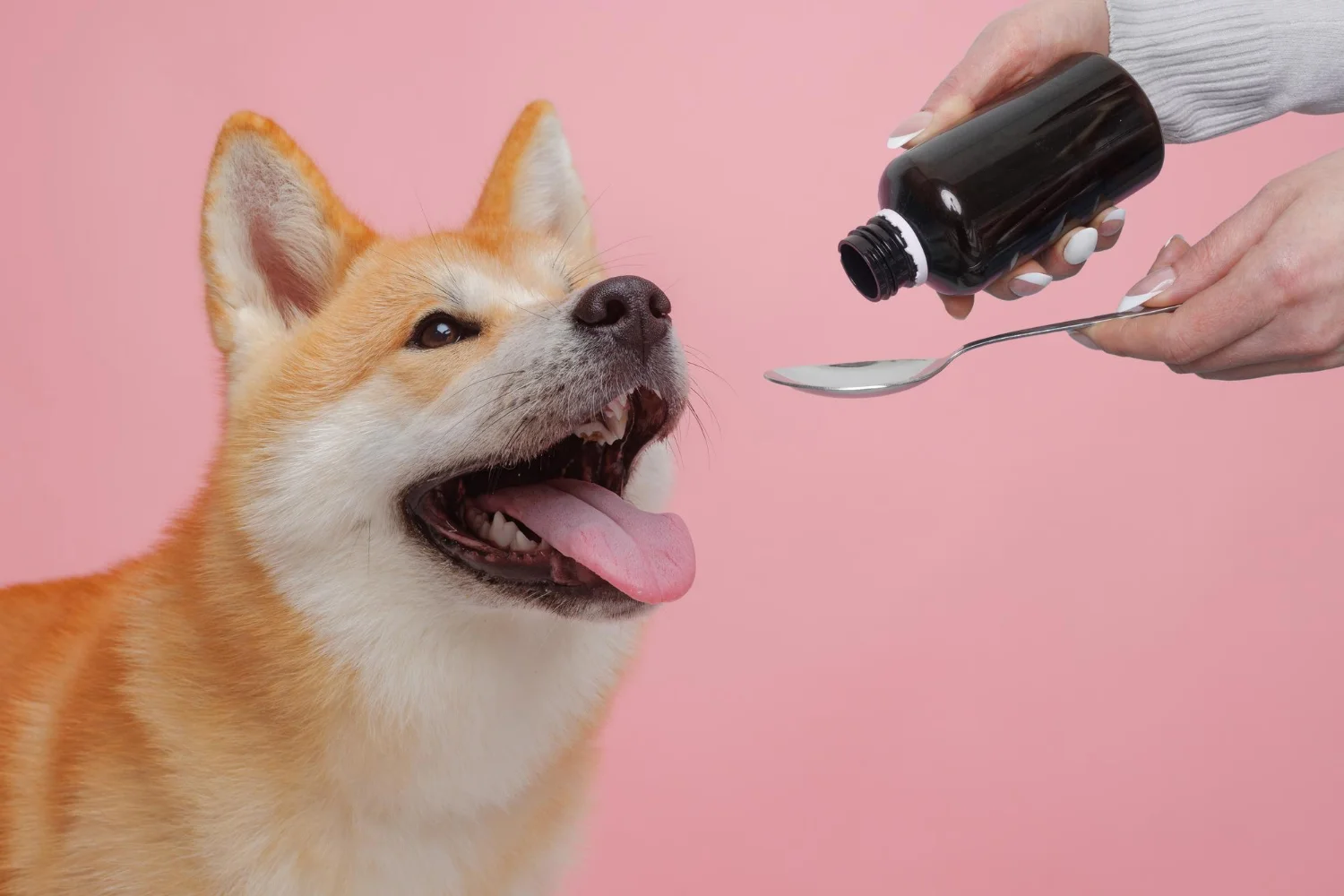
Puppies under one month old should not receive strepto penicillin. Their kidneys and livers are not fully developed yet. The drug can build up to toxic levels very quickly in newborns. For puppies older than 4 weeks, vets will typically prescribe a lower dose based on body weight. Liquid forms are preferred for very small dogs and young puppies because they are easier to measure and give accurately. If your puppy is sick, take them to the vet right away. Do not try to treat them at home with leftover antibiotics. Young dogs can go downhill very fast.
Penicillin is generally safe when used correctly. But like any medicine, it can cause side effects:
Common:
Serious (call your vet immediately):
Allergic reactions to penicillin are rare in dogs, but they can happen. If your dog has ever reacted badly to penicillin before, tell your vet before any new prescription.

Not all infections respond to penicillin. Some bacteria have developed resistance. If your dog doesn’t improve after a few days on penicillin, your vet may need to:
Vets will usually only give penicillin if they know the bacteria is susceptible to it. Never demand penicillin from your vet. Trust their judgment. We always suggest working closely with your vet, especially for infections that don’t clear up fast.
Tell your vet about every medicine your dog is taking. Penicillin can interact with:
Do not mix drugs without vet approval. This can be lethal for your dog.
Penicillin is a prescription-only drug. You cannot legally buy it without a vet’s script in most countries. Do not buy it from farm supply stores and use it on your dog without guidance. Livestock concentrations are very different from small-animal doses.
Your vet can:

Strepto penicillin is a powerful tool when your dog has a bacterial infection. It can fight a wide range of bacteria quickly and effectively. But it is not something you give without a vet’s guidance. The dose depends on your dog’s weight, age, and the type of infection they have. Always finish the full course of antibiotics. Never stop early, even if your dog looks great. Watch for side effects. And please, you should never use leftover antibiotics or livestock doses on your dog at home. We want your dog to get better fast and stay better. Knowing when, why, and how to use strepto penicillin is a big part of that. If this article helped you, we’d love for you to bookmark Ecopetessentials right now. We post new pet care tips, product reviews, and training guides every week. Save us in your browser and come back whenever your dog (or your dog-parent brain) needs answers. We are here for both of you. 🐶
Also Read: Is Your Dog Vomiting Blood But Acting Normal?
➥ Can I give my dog penicillin without seeing a vet?
No. Penicillin is a prescription drug. You should always see a vet first. The wrong dose or wrong antibiotic can make your dog much worse.
➥ How much penicillin do I give a dog?
The standard dose is 10,000 to 25,000 units per pound every 12 hours. Your vet will give you the exact amount based on your dog’s weight and condition.
➥ Can dogs take human penicillin tablets?
Vets sometimes prescribe human penicillin off-label. But never give it without vet approval. Human doses and formulas may not be safe for your dog.
➥ What is strepto penicillin used for in dogs?
It treats bacterial infections including skin infections, respiratory infections, wounds, leptospirosis, and post-surgery infections in dogs.
➥ How long does penicillin take to work in dogs?
It starts working within 1 to 2 hours. But you may not notice a visible change in your dog for 1 to 2 days after starting treatment.

Castiel Smith cares deeply about animals and the planet. He loves sharing tips that help people take better care of their pets while being kind to nature. Whether it’s about eco-friendly pet products or simple ways to take care of your fur babies, Cas loves sharing Behavior & Training Tips.