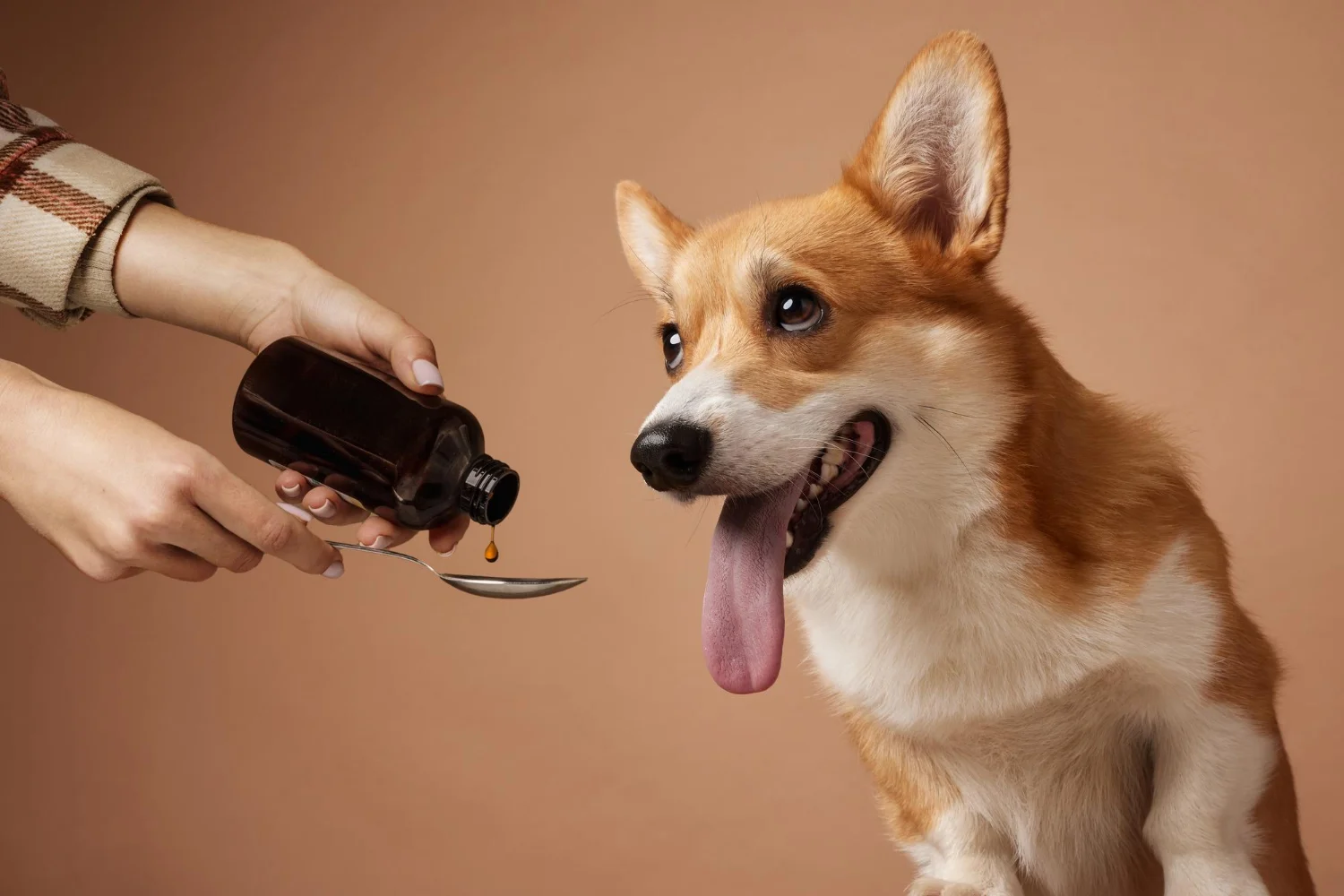
Has your vet just prescribed sucralfate for dogs, and now you are sitting at home wondering what it actually does? You are not alone. Many dog owners feel confused or even worried when they hear a new medicine name. We totally understand that feeling. At Ecopetessentials, we want every dog parent to feel calm, confident, and informed about what goes into their dog’s body. That is why we put this together just for you. This article covers what sucralfate is, what symptoms it treats, how to give it, and what side effects to watch out for.
Sucralfate is a medicine that protects your dog’s gut lining. It is used to protect the lining of the digestive tract and help treat ulcers. You can think of it like a bandage on the inside. It is commonly known by the brand name Carafate. Most vets recommend it for dogs dealing with stomach ulcers or gut irritation. It is available in tablet or liquid form, and your vet will tell you which one suits your dog best.
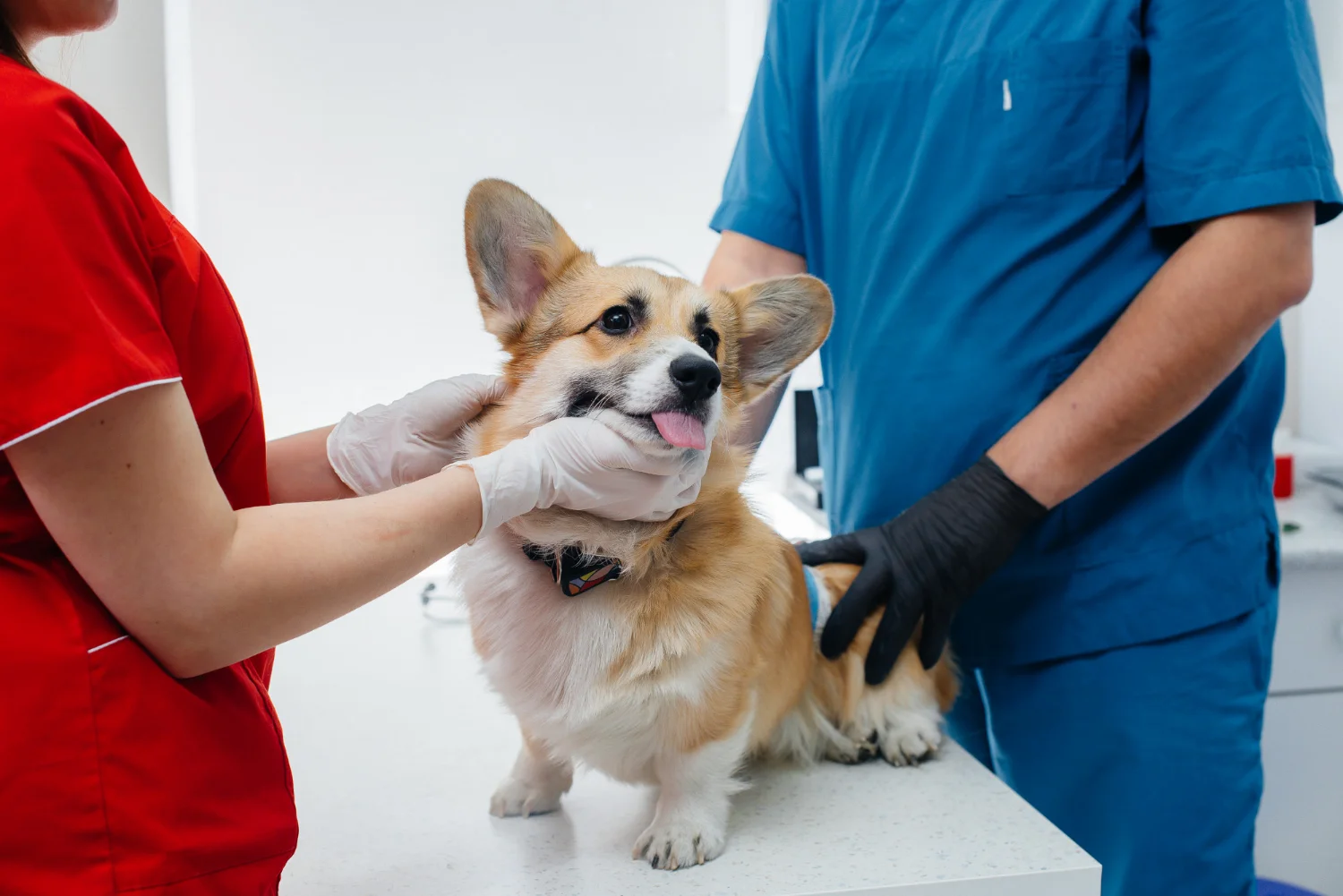
This is a question we hear a lot from dog owners. Sucralfate is FDA-approved for humans and prescribed off-label in dogs when a veterinarian determines it is appropriate. Do not let that worry you. Sucralfate is readily utilized in the veterinary field, and veterinarians can legally prescribe certain human drugs for use in animals. This is called extra-label or off-label use. So yes, it is completely safe when your vet prescribes it. Moreover, you should always follow your vet’s directions carefully.
We know you want to understand exactly why your dog needs this medicine. Vets may prescribe sucralfate for dogs with oral, esophageal, stomach, or small intestinal ulcers and other GI issues. It may also be useful in preventing gastritis caused by ulcerogenic drugs like aspirin. Another use is managing acid reflux disease and protecting the esophagus from damage.
Dogs with kidney disease, those on NSAIDs (common pain relievers), or dogs recovering from stomach bloat may also be put on this medicine. Sucralfate as a first step to protect the gut while treating the root cause. If your dog has been vomiting blood alongside stomach issues, we strongly recommend you read our article on Is Your Dog Vomiting Blood But Acting Normal? Sucralfate is often part of the treatment plan in those cases.
This part is actually pretty interesting for dog owners to know. Sucralfate combines with stomach acid to form a paste-like coating that binds to the lining of the gastrointestinal system, acting like a bandage. Much like a band-aid, sucralfate shields damaged areas in the gastrointestinal tract from irritating substances like stomach acid, bile, and digestive enzymes. It may even actively help the ulcerations heal. Sucralfate also stimulates the production of prostaglandins, which are molecules that help protect the GI tract against cellular damage. Most vets recommend giving it as a liquid or slurry because it coats the stomach lining far more effectively that way.
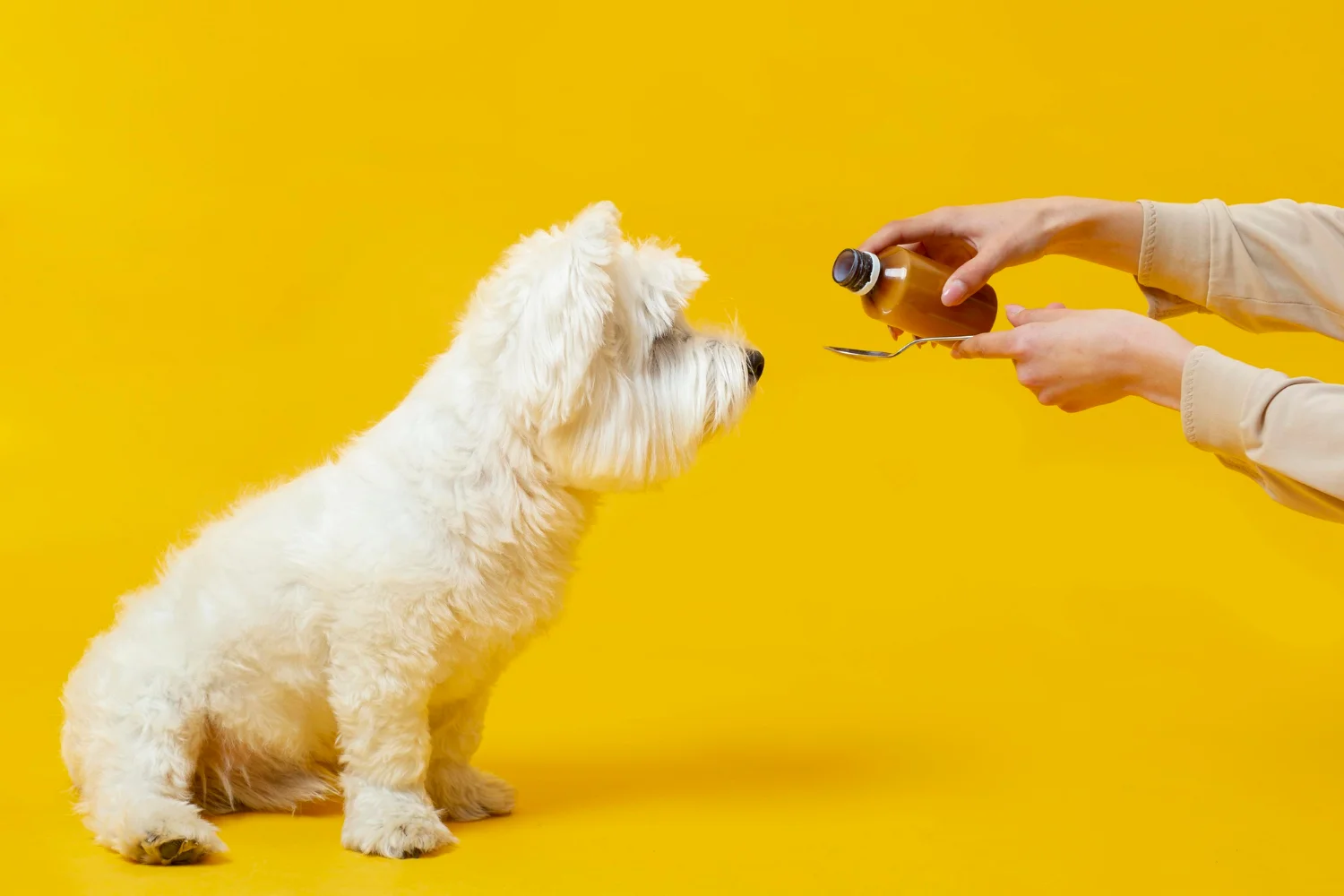
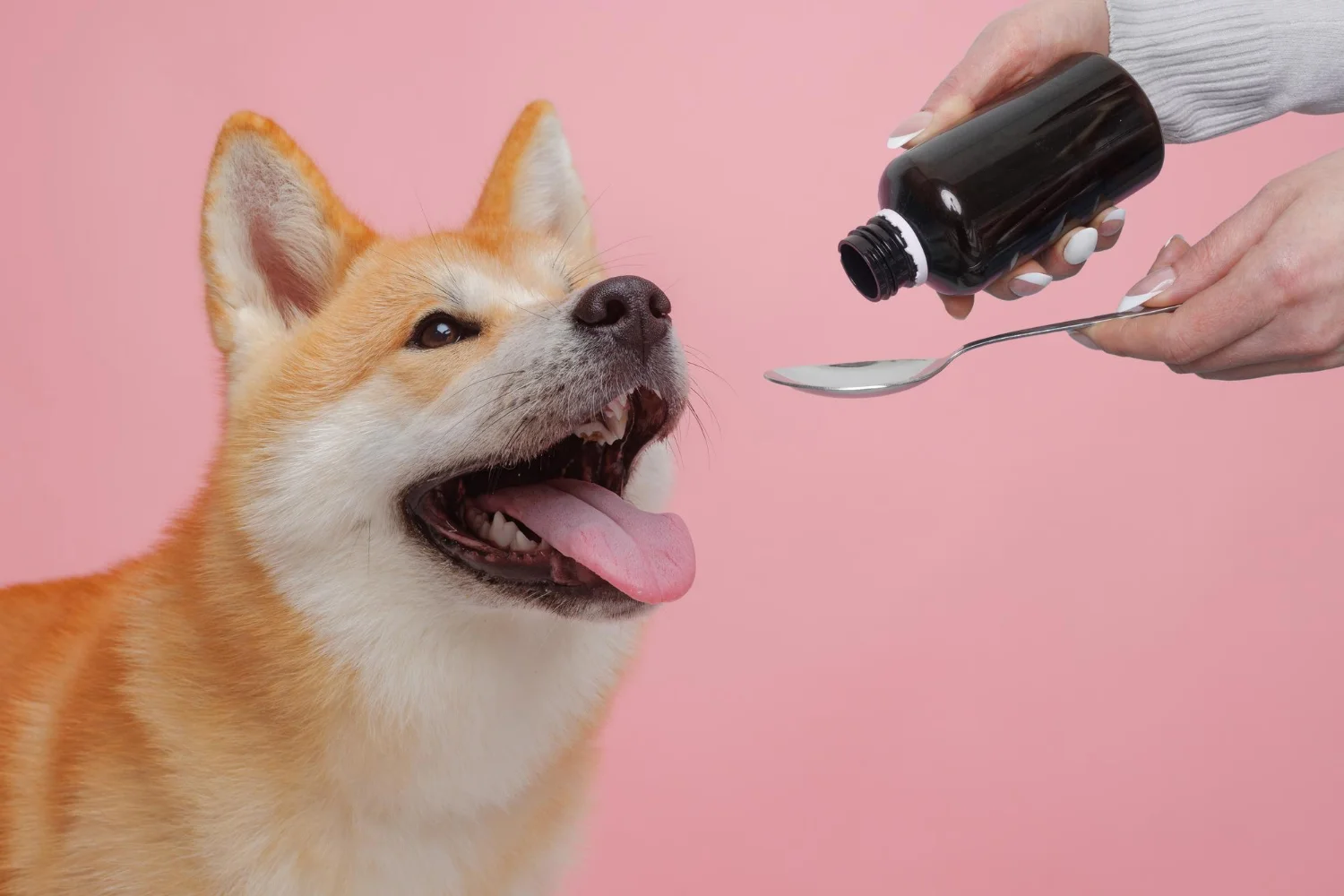
Timing matters a lot with this medicine. You have to give sucralfate two to four times daily on a strictly empty stomach, with no food or other medications within two hours before or two hours after the dose. If using tablets, it is advisable to crush and dissolve them in lukewarm water. If using the liquid suspension, shake well before using it and measure carefully.
Sucralfate is most effective when given as a slurry or liquid because the tablets do not dissolve well on their own. Did you miss a dose? Give the missed dose as soon as you remember, unless it is close to the next scheduled dose. If it is close, skip the missed dose and give the next dose at the regular scheduled time. It is best to set phone reminders so you never miss a dose. Consistency is key for this medicine to work well.
Many dog owners ask us what signs or symptoms tell them the medicine is working. Sucralfate helps when your dog shows signs like vomiting after meals, not wanting to eat, drooling more than usual, or whimpering when touched near the belly. These are all signs of gut irritation or ulcers.
Many dog owners notice healing within a week, including reduced vomiting and a better appetite. Most vets recommend watching your dog closely in the first few days. If things are not improving, call your vet right away. You can also check out our guide on Why Is My Dog Drinking So Much Water? since excessive thirst can sometimes be linked to gut problems too.
This is the part most dog owners are most nervous about. The good news is that this medicine is very well-tolerated. Since sucralfate works locally in the GI tract and is not absorbed into the body, the side effects are minimal. Sucralfate side effects for dogs may include mild constipation, which is usually temporary. The liquid suspension also has an unpleasant, chalky taste, which can make it challenging to give to some dogs.
To help ease constipation, offer one to two tablespoons of canned pumpkin (not pumpkin pie filling) per 10 pounds of body weight. You can check with your vet before adding pumpkin if your dog is on a special diet. If side effects persist, stop the medicine and contact your veterinarian. Your veterinarian will discuss treatment options depending on the side effects. Vets recommend keeping a simple daily log of your dog’s bowel movements while on this medicine. It helps you spot constipation early.
Please do not skip this section. It is very important for dog owners to know this.
It is best to always tell your vet everything. Even vitamins and herbal supplements count. We also recommend reading our article on Strepto Penicillin for Dogs: When, Why & How to Use It Safely since antibiotics and sucralfate need careful timing when given together.
You will be glad to know it works fairly fast. Sucralfate is quick-acting and should start working in one to two hours. However, visible improvement may take a few days depending on how bad the condition is. One dose of sucralfate lasts approximately 6 hours after it is taken orally. That is why giving your dog sucralfate several times daily provides continuous protection of the inflamed tissue. You have to keep your dog on sucralfate for the full prescribed duration, even if your dog seems better sooner. Stopping early can cause the ulcers to come back.
Sucralfate should not be used in animals with known hypersensitivity or allergy to the drug. You have to use sucralfate with caution in animals with constipation, since sucralfate can make this worse. Also use caution in pregnant or nursing dogs since safety has not been fully established. When in doubt, always ask your vet first. Never give your dog any medicine without a proper prescription.
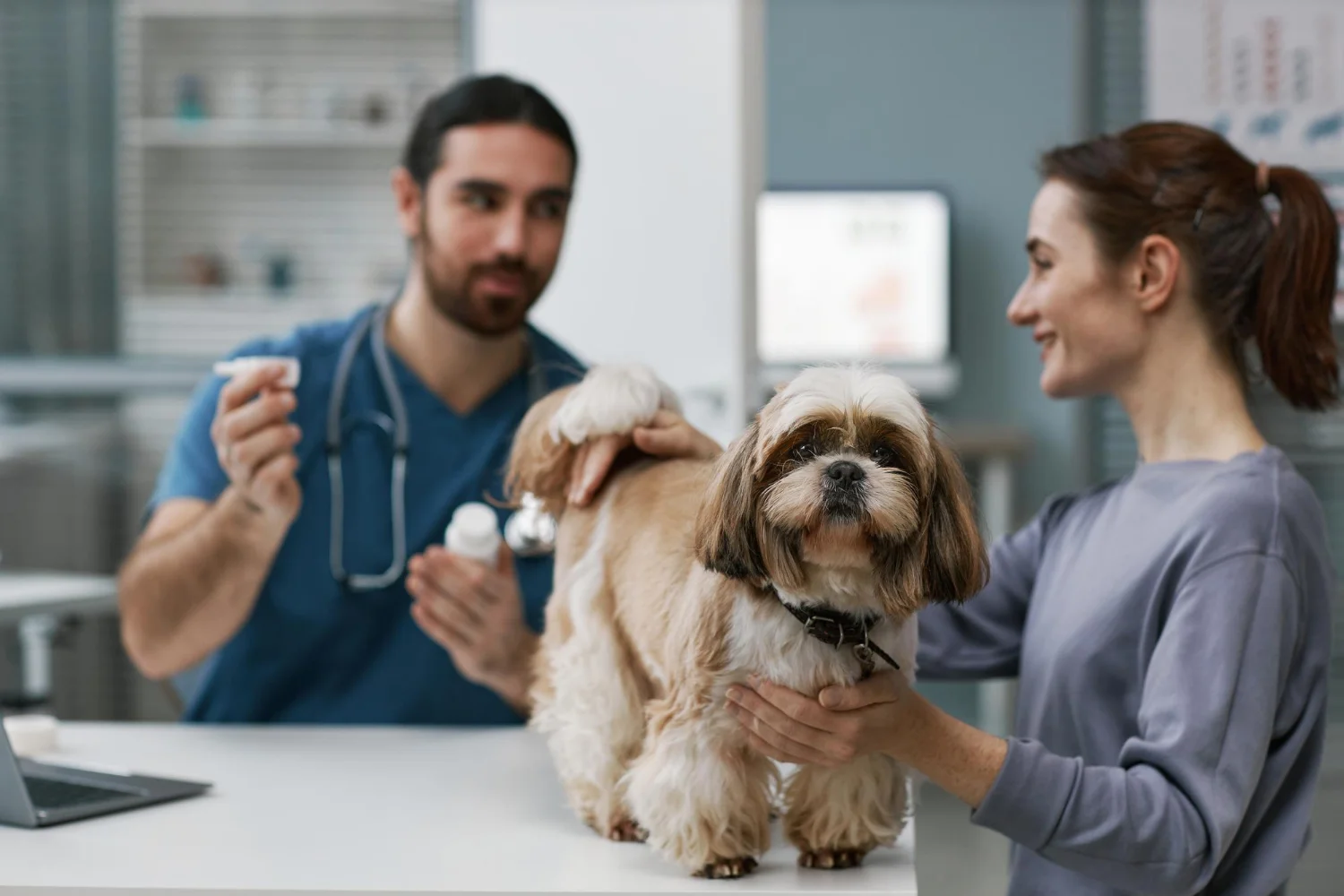
Overdoses of sucralfate are extremely rare, and even large amounts of this medication are generally well-tolerated. If you witness or suspect an overdose and your animal is showing unusual signs, contact your veterinarian or an animal poison control center for further advice. Animal poison control centers that are open 24 hours a day include Pet Poison Helpline at 855-764-7661 and ASPCA Animal Poison Control Center at 888-426-4435.
You have just become a much more informed dog parent, and that matters more than you know. The more you understand about sucralfate for dogs, the better care you can give your pup every single day. We at Ecopetessentials are here for every step of your pet care journey, whether it is medicines, behavior, or breeds. Bookmark this page right now so you never miss our latest posts. Save us, share us with fellow dog owners, and keep reading Ecopetessentials for trusted pet care tips that actually help. Your dog is lucky to have someone who cares this much.
Check out more helpful reads from us: Zyrtec Dosage for Dogs: Is It Safe & How Much to Give?
➥ What is sucralfate used for in dogs?
It treats and prevents ulcers in your dog’s mouth, stomach, throat, and intestines. Your vet prescribes it to protect and heal the GI lining.
➥ Is sucralfate safe for my dog every day?
Yes, when prescribed by your vet. Most vets recommend giving it two to four times daily, and it is well tolerated by most dogs.
➥ Can I give sucralfate with my dog’s food?
No. You should give sucralfate on a completely empty stomach so it coats the GI lining properly and works at full strength.
➥ How long does sucralfate take to work in dogs?
It starts working within one to two hours. But you may not see visible improvement for several days depending on how serious the condition is.
➥ What are the side effects of sucralfate in dogs?
The main side effect is mild constipation. Some dogs dislike the chalky taste of the liquid. Serious side effects are very rare with this medicine.

Castiel Smith cares deeply about animals and the planet. He loves sharing tips that help people take better care of their pets while being kind to nature. Whether it’s about eco-friendly pet products or simple ways to take care of your fur babies, Cas loves sharing Behavior & Training Tips.