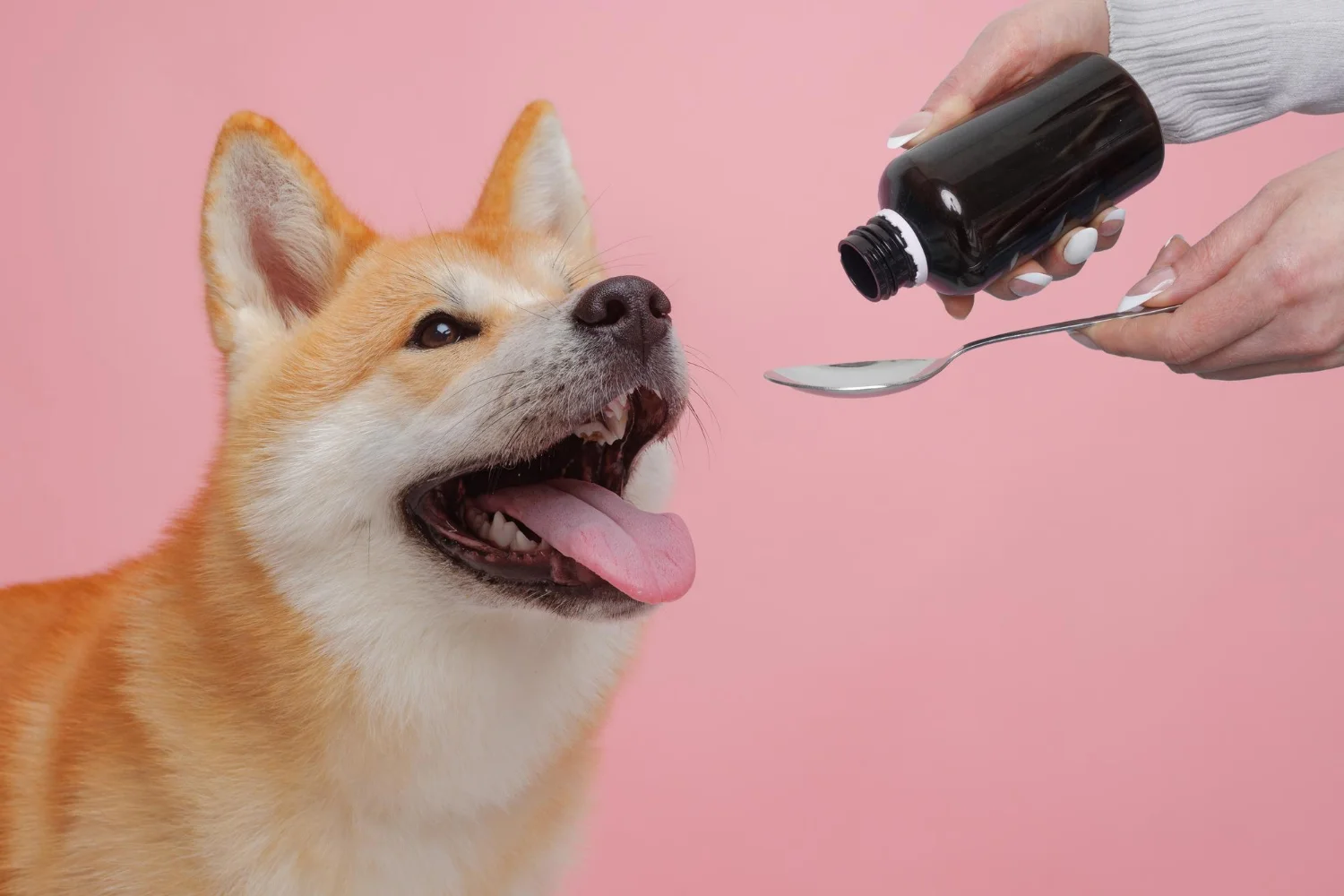
Is your dog limping, slow to get up, or crying in pain? We know how heartbreaking and stressful it can feel to be a pet parent. Seeing your dog struggle with even simple movements can be very hard to watch. Your vet may have prescribed meloxidyl for dogs to help ease that pain and improve their comfort. But what exactly is it? Is it safe for long-term use? How much should you give, and what should you watch out for? We have all the answers right here, explained in plain and simple words so you can feel confident caring for your pup.
Meloxidyl is a brand-name medication for dogs. It is a non-steroidal anti-inflammatory drug (NSAID) that reduces pain, inflammation, and fever. You can think of it like a pain reliever made just for dogs. The active ingredient in Meloxidyl is meloxicam, and it is commonly used to treat musculoskeletal conditions, especially arthritis pain. It is not the same as human pain pills. You should never give your dog human NSAIDs like ibuprofen. Those can be deadly for dogs.
Meloxicam is an FDA-approved NSAID used to treat pain and inflammation from osteoarthritis. Vets may also prescribe it for other painful conditions, including surgery recovery, injuries, cancer, or dental disease. Here are the most common uses:
We also have a helpful read on Sucralfate for Dogs: Symptoms, Doses & Side Effects if your dog needs stomach protection alongside pain meds.
Meloxicam works to reduce pain in dogs by blocking certain chemical messengers in the body that are responsible for inflammation and swelling. These messengers play a key role in causing pain, redness, and discomfort, especially in your dog’s joints, muscles, or injured areas. When these signals are reduced, the body responds with less irritation and improved comfort. In simple words, it tells the body to slow down those pain signals, reduce swelling, and help the irritated areas calm down. This not only eases discomfort but also supports better movement and flexibility. As a result, your dog starts to feel more comfortable, moves with less stiffness, and can return to their normal daily activities like walking and playing more easily.
Meloxidyl is available in several different forms, making it easier for vets to choose the best option based on your dog’s condition, size, and treatment needs. Each form is designed to deliver pain relief effectively, whether at home or in a clinical setting. Here are the main types:
Each form works in a similar way, but the choice depends on what is most convenient, safe, and effective for your dog’s specific situation.
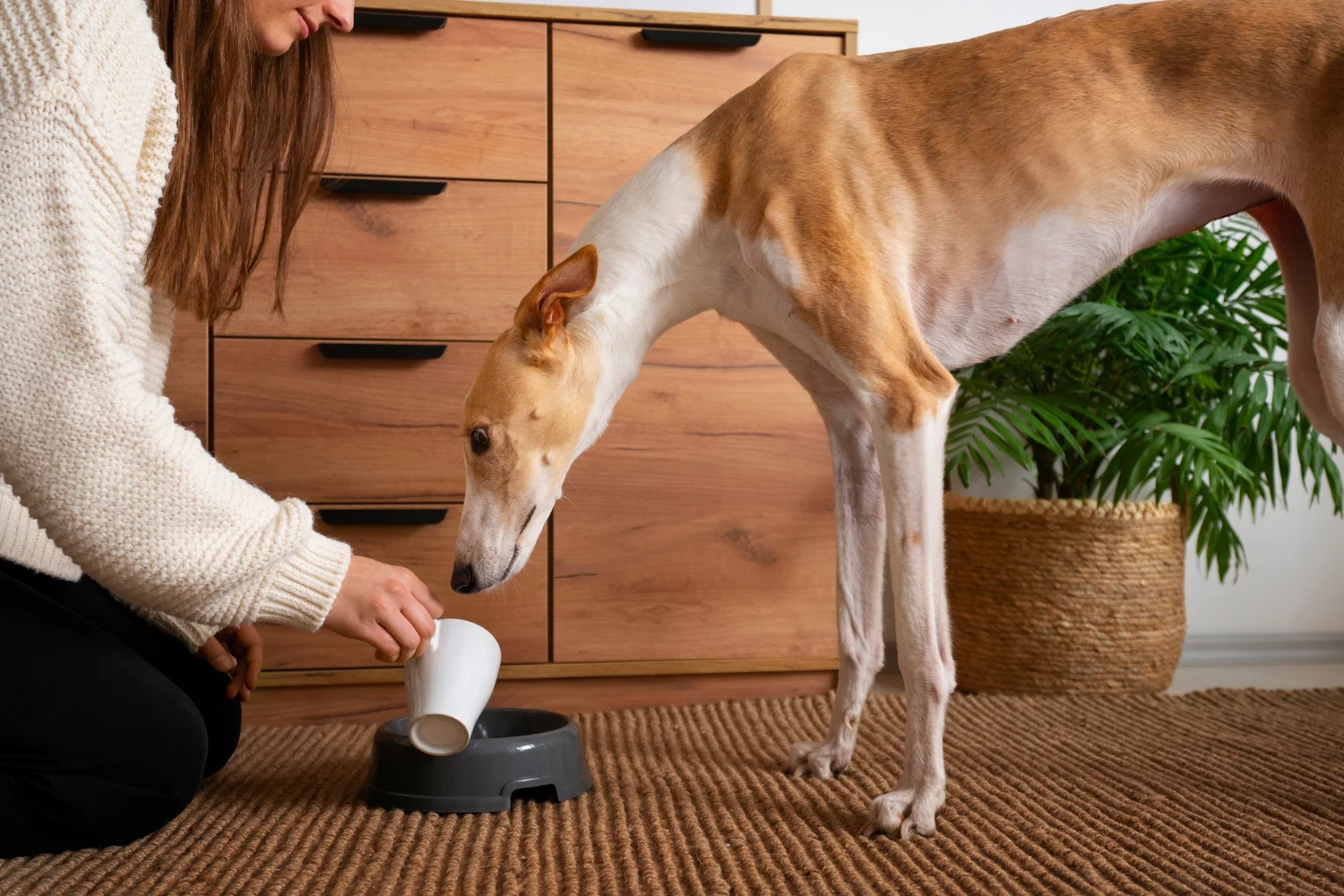
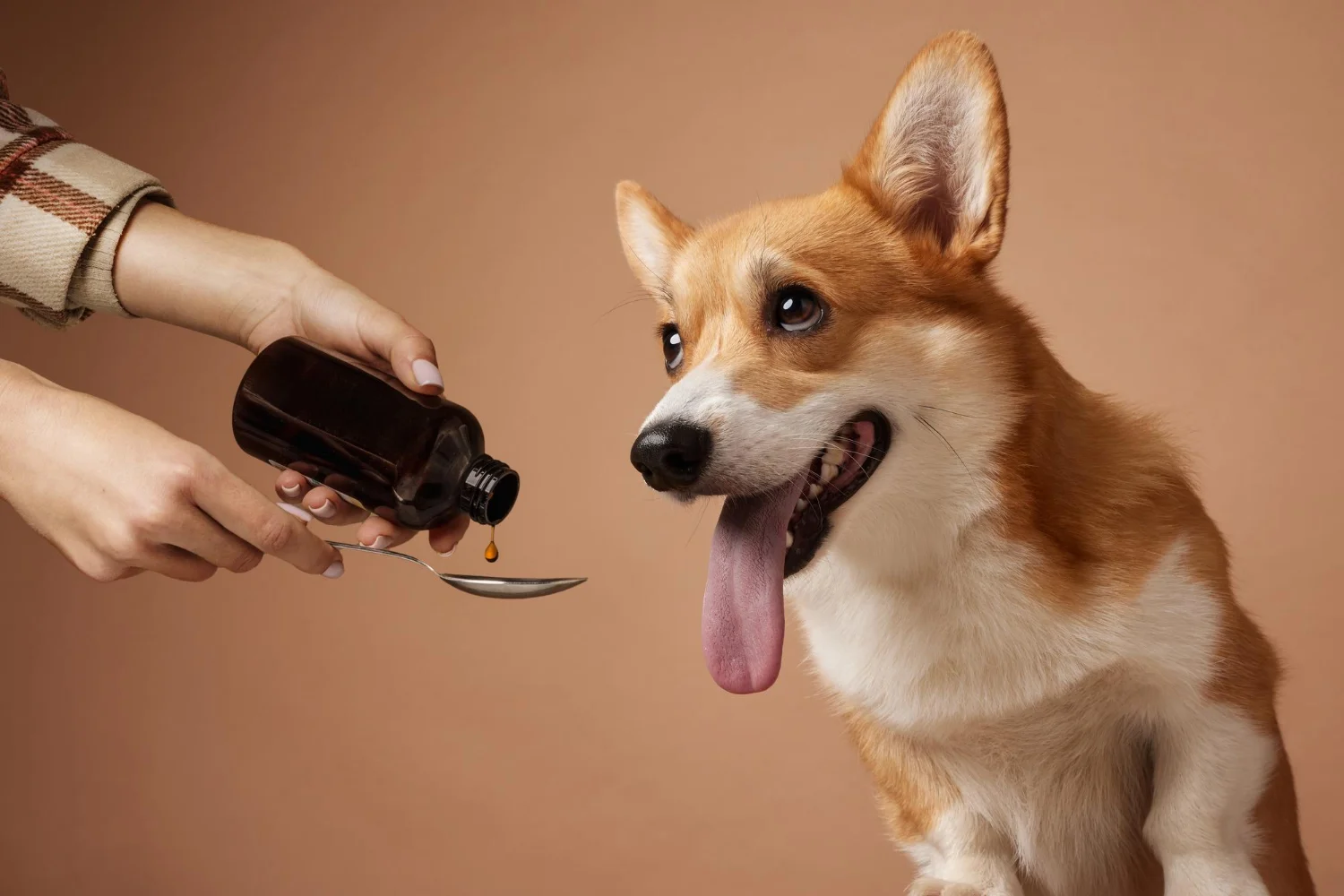
Always follow your vet’s instructions. Do not guess the dose. Meloxidyl Oral Suspension should be given initially at 0.09 mg/lb (0.2 mg/kg) body weight on the first day only. After day 1, it should be given once daily at 0.045 mg/lb (0.1 mg/kg).
The packaging makes it easier:
You should never give more than prescribed. More is not better. It can seriously harm your dog.
You can give meloxicam with food to reduce gastrointestinal side effects. For dogs weighing less than 10 pounds (4.5 kilograms), administer the liquid on the food, not directly into the mouth. Here is what we suggest:
If your dog refuses food with the medicine, call your vet. Do not force it on an empty stomach.
The most common side effect of meloxicam in dogs is gastrointestinal upset, including vomiting, soft stools, diarrhea, and lack of appetite.
Watch for these warning signs:
It is important to stop therapy and contact your veterinarian immediately if you think your dog has a medical problem or side effect from Meloxidyl.
We also cover dog health signs in our post Why Is My Dog Drinking So Much Water? 9 Shocking Reasons worth reading if you notice changes in drinking habits while on Meloxidyl.
Meloxidyl should not be offered to dogs with renal disease, liver disease, or gastrointestinal disorders. These dogs have an increased risk of adverse side effects and exacerbation of their underlying disease. Also:
Meloxidyl should not be given with other NSAIDs (for example, aspirin, carprofen, etodolac, or deracoxib) or steroids (for example, cortisone, prednisone, dexamethasone, or triamcinolone). Always tell your vet every medicine your dog takes. This includes supplements and over-the-counter products. Your vet needs the full picture to keep your dog safe. You have to contact your veterinarian immediately if your dog eats more than the prescribed amount of Meloxidyl. The symptoms of overdose are related to kidney or liver changes, with vomiting and diarrhea being the most reported symptoms. Overdoses can be very serious or even life-threatening. You can also call the ASPCA Animal Poison Control Center at (888) 426-4435 for help.
We know you want your dog to feel better. Meloxidyl for dogs is a trusted, vet-approved option for pain and inflammation. When used correctly, it can give your pup their bounce back and make life so much easier for both of you. But always use it under your vet’s care. Never change the dose on your own. And watch your dog closely for any changes after starting it. Your dog trusts you to make the right call, and we are here to help you do exactly that. Bookmark Ecopetessentials right now and keep coming back. We update our pet care articles often. Whether it’s meds, dog training tips, breed info, or honest product reviews, we have got you covered. Save this page, share it with a fellow dog parent, and never miss an update from us!
This article is for informational purposes only. Always consult your vet before giving your dog any medication.
FAQs
➥ What is Meloxidyl for dogs used for?
Meloxidyl is used to treat pain and inflammation in dogs, especially from osteoarthritis, surgery recovery, or joint injuries. Your vet will prescribe it based on your dog’s needs.
➥ Is meloxidyl safe for dogs?
Yes, meloxidyl is safe for most dogs when used as prescribed. You should always follow your vet’s instructions and watch for any side effects carefully.
➥ How do I give Meloxidyl to my dog?
You give it once daily using the syringe included in the package. Always mix it with food to reduce the chance of stomach upset in your dog.
➥ What dose of meloxidyl should I give my dog?
On day one, the dose is 0.09 mg/lb. Thereafter, it drops to 0.045 mg/lb daily. Your vet will set the right dose for your dog’s weight.
➥ Can I give my dog Meloxidyl without a vet prescription?
No, you cannot. Meloxidyl is a prescription-only drug. Your vet must examine your dog before prescribing it to ensure it is safe for them.

Castiel Smith cares deeply about animals and the planet. He loves sharing tips that help people take better care of their pets while being kind to nature. Whether it’s about eco-friendly pet products or simple ways to take care of your fur babies, Cas loves sharing Behavior & Training Tips.