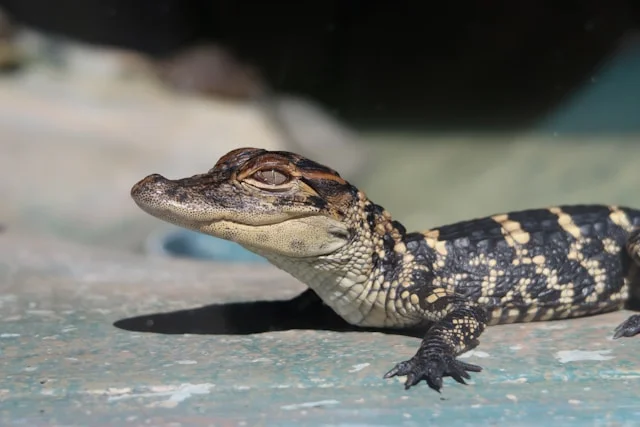
Have you ever heard of crocolini? These small crocodiles are winning hearts around the world. They look like regular crocodiles but fit in the palm of your hand. We’re here to share everything you need to know about these amazing creatures. At Ecopetessentials, we believe learning about animals helps you respect nature more. From where they live to how they act, you’ll learn why crocolini are so special. In this blog, you will learn what they are, where they live, what they eat, and why these endangered reptiles matter to our planet.
Crocolini are tiny crocodiles that grow only one to two feet long. That’s much smaller than the big crocodiles you see on TV. These little guys have bright green skin and shiny eyes that make them look almost magical. Unlike their bigger cousins, crocolini are calm and friendly. They don’t scare people the way large crocodiles do. You can find them near rivers and swamps where plants grow thick and tall. We think crocolini are important because they help keep nature balanced. They eat certain animals and help control populations in their homes. Many people now want to learn more about them and keep them safe.
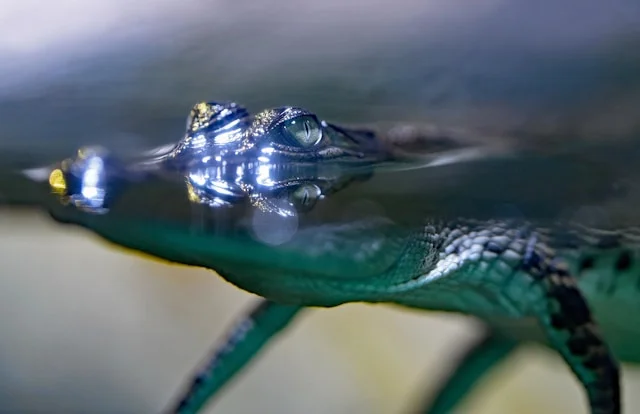
Crocolini didn’t just appear overnight. These small crocodiles came from much larger ancestors millions of years ago. When the world changed, some crocodiles became smaller to survive better. Scientists found old bones that show us how this happened. The bones tell us that ancient crocodiles lived when dinosaurs walked the Earth. Over time, some groups became smaller and developed new features. Their shorter noses and smaller legs helped crocolini move through thick plants easily. Moreover, nature shaped them to fit their surroundings perfectly. Today, we can see how well they adapted to different places and challenges.
Crocolini have smooth bodies that slide through water with ease. Their skin is usually green or brown, which helps them hide in plants and mud. This color keeps them safe from animals that might want to eat them. Their long snouts have sharp teeth that catch fish and bugs quickly. Even though they’re small, crocolini have strong muscles. These muscles help them swim fast and move on land. Their tails work like motors in the water. On land, these tails help them stay balanced when walking on rocks or logs. Their tiny claws let them climb over rough ground and grab onto branches. Every part of their body has a job that helps them live better.
Crocolini live in small groups called pods. Inside these pods, they follow rules about who’s in charge. The biggest and oldest ones usually lead the group. Leader crocolinis get the best spots for sunbathing and eating. However, in nature things can change very quickly. Younger crocolini can move up by showing they’re strong or smart. This keeps the group interesting and active. They talk to each other in special ways. We see them use body movements, sounds, and water ripples to share messages. When danger comes, crocolini swim away fast using clever tricks.
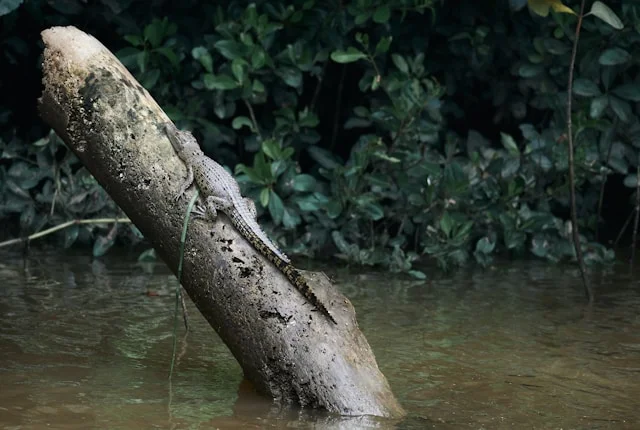
You can find crocolini in warm places near fresh water. They love rivers, lakes, and wetlands where the sun shines bright. These spots give them everything they need to grow and stay healthy. During the day, you might see them lying on sunny rocks or hiding in tall grass. This helps them stay warm and safe at the same time. Their hiding spots also help them catch food. Crocolini eat small fish, insects, and tiny shellfish. Their strong jaws catch slippery prey without any trouble. Sometimes they eat dead animals they find in the water. This mixed diet keeps them strong no matter what season it is. We notice they’re very good at finding food even when it’s hard to get. We also covered your favorite exotic animals, like Ava the Golden Tiger and Moo Deng the Hippo!
Crocolini face many problems today. People are building cities and farms where crocolini used to live. When wetlands disappear, these tiny crocodiles lose their homes and food. Dirty water from farms also hurts them. Runoff chemicals in the water kill the fish and bugs that crocolini eat. This makes it hard for them to find enough food. People who care about animals are working to help. They’re fixing wetlands and supporting conservation projects because they give crocolini better places to live. Teaching local people about crocolini is also important. When people understand why these animals matter, they help protect them. Some areas now have laws that stop people from hunting crocodilini or taking them from the wild. These rules help make sure crocolini will be around for many years.
Crocolini shows us how amazing nature can be. These small crocodiles remind us that every creature has a place in our world. From their clever bodies to their social lives, they teach us about survival and change. At Ecopetessentials, we believe learning leads to care, and protecting Crocolini means protecting our environment too. When we save their homes, we save clean water and healthy land for everyone. The story of Crocolini isn’t finished yet. With our help, these wonderful animals can continue to live and thrive. Let’s make sure future children can see and enjoy these incredible tiny crocodiles just like we do today.
➥Can crocolini be kept as pets at home?
No, they are wild animals, and they should be kept in the wilderness. We don’t recommend keeping them as pets because they need specific temperatures, water conditions, and expert handling for proper health.
➥How long do crocolini live in the wild?
Crocolini typically live between 15 to 25 years in their natural habitat. Their lifespan depends on food availability, water quality, and protection from larger predators.
➥Do Crocolini lay eggs like regular crocodiles?
Yes, female crocolini lay small clutches of eggs. They usually produce 5 to 10 eggs per season and protect their nests carefully until babies hatch.
➥Are crocolini dangerous to humans?
No, crocolini are not dangerous. Their small size and calm nature make them harmless. They prefer avoiding humans and will swim away when people approach them.
➥What’s the biggest difference between Crocolini and alligators?
Crocolini are much smaller and have narrower snouts. Their teeth show when mouths close, while alligator teeth hide. They also prefer different temperature ranges overall.

Maya Fields is passionate about animals and saving the earth. She writes to help pet owners make smart choices with proper Care & Products! From healthy treats to earth-safe toys, she believes every pet deserves love and care. Maya wants everyone to enjoy life with pets by choosing the right products.