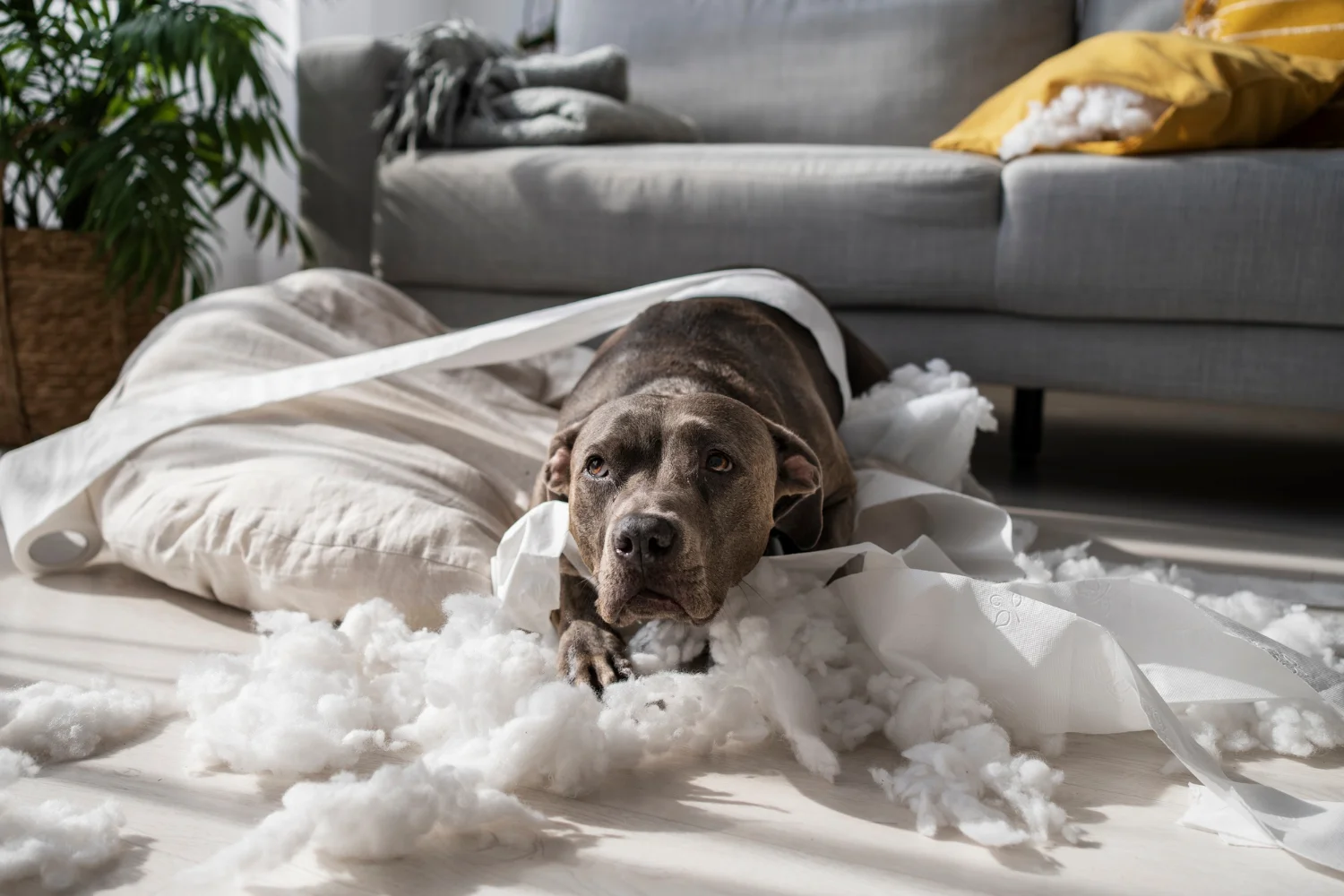
Your dog suddenly barks at everything that moves. Jumping on every guest who walks through the door has become embarrassing. Chewing your favorite shoes to pieces costs you money. We know how frustrating dog behavior problems can be for you and your family. But here’s the good news: most behavior issues have simple fixes that work fast. You don’t need expensive trainers or complicated methods. We’ll show you exactly why dogs act out and what you can do right now to stop it. Whether you have a puppy or senior dog, understanding behavior is the first step to a calmer, happier home for everyone.
Dogs don’t misbehave to annoy us. They act out because something is wrong or missing in their life.
➺ Lack of Exercise: A tired dog is a good dog. Without enough physical activity, your dog has extra energy. This energy comes out as jumping, barking, or destroying things. Most dogs need at least 30 minutes of exercise daily.
➺ Boredom: Dogs are smart animals. When they sit home alone all day with nothing to do, they create their own fun. This often means trouble for your furniture and belongings.
➺ Fear and Anxiety: Many behavior problems stem from fear. Loud noises, new people, or past trauma can make dogs act defensively. They might bark, hide, or even bite when scared.
➺ Inconsistent Training: If you allow jumping one day but punish it the next, your dog gets confused. Consistency is key to good behavior. Everyone in your home needs to follow the same rules.
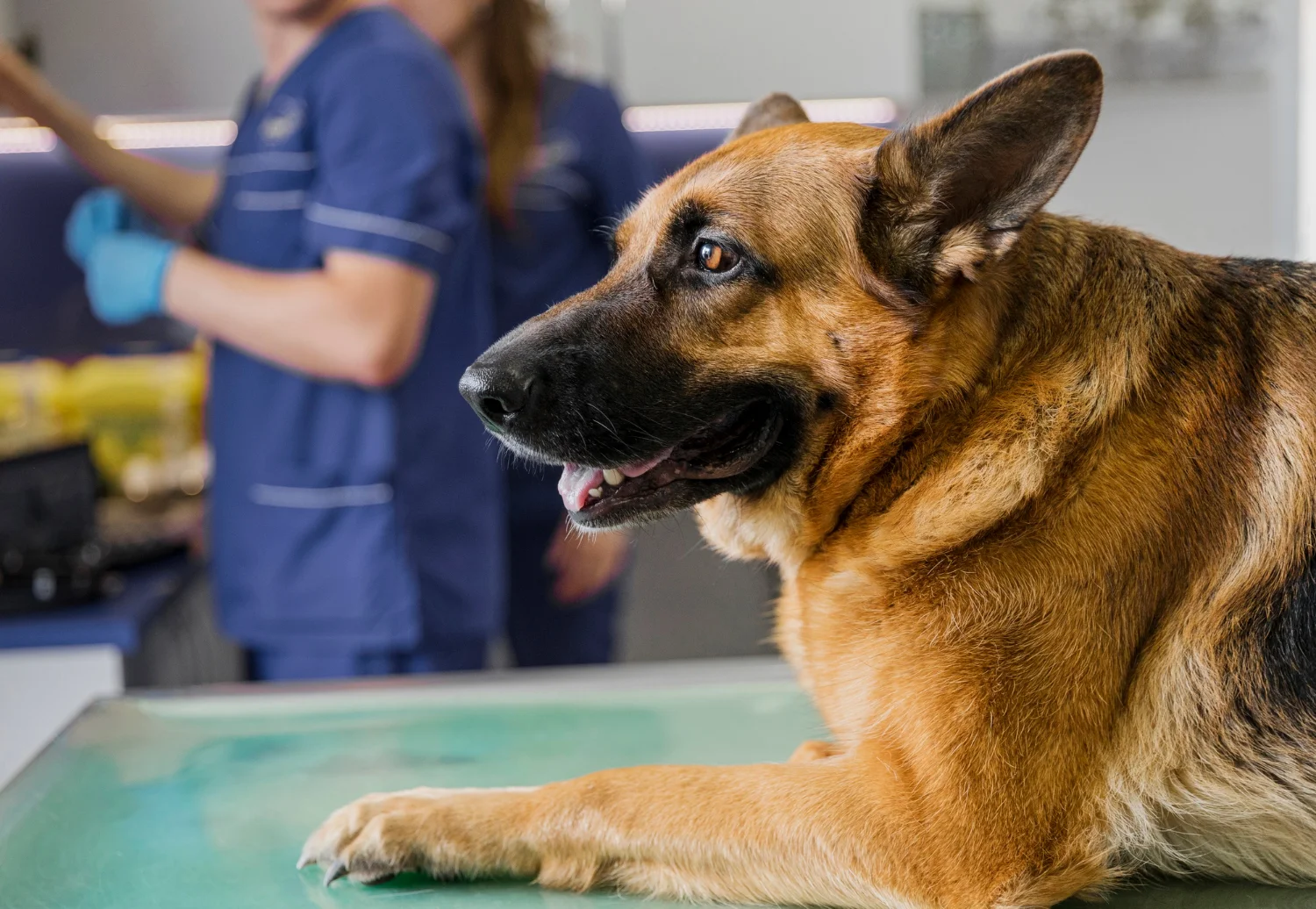
➺ Medical Issues: Sometimes what looks like bad behavior is actually pain or illness. A dog who suddenly becomes aggressive might have an injury. According to the American Kennel Club, health problems cause many behavior changes.

Barking is natural for dogs. But too much barking becomes a problem for you and your neighbors.
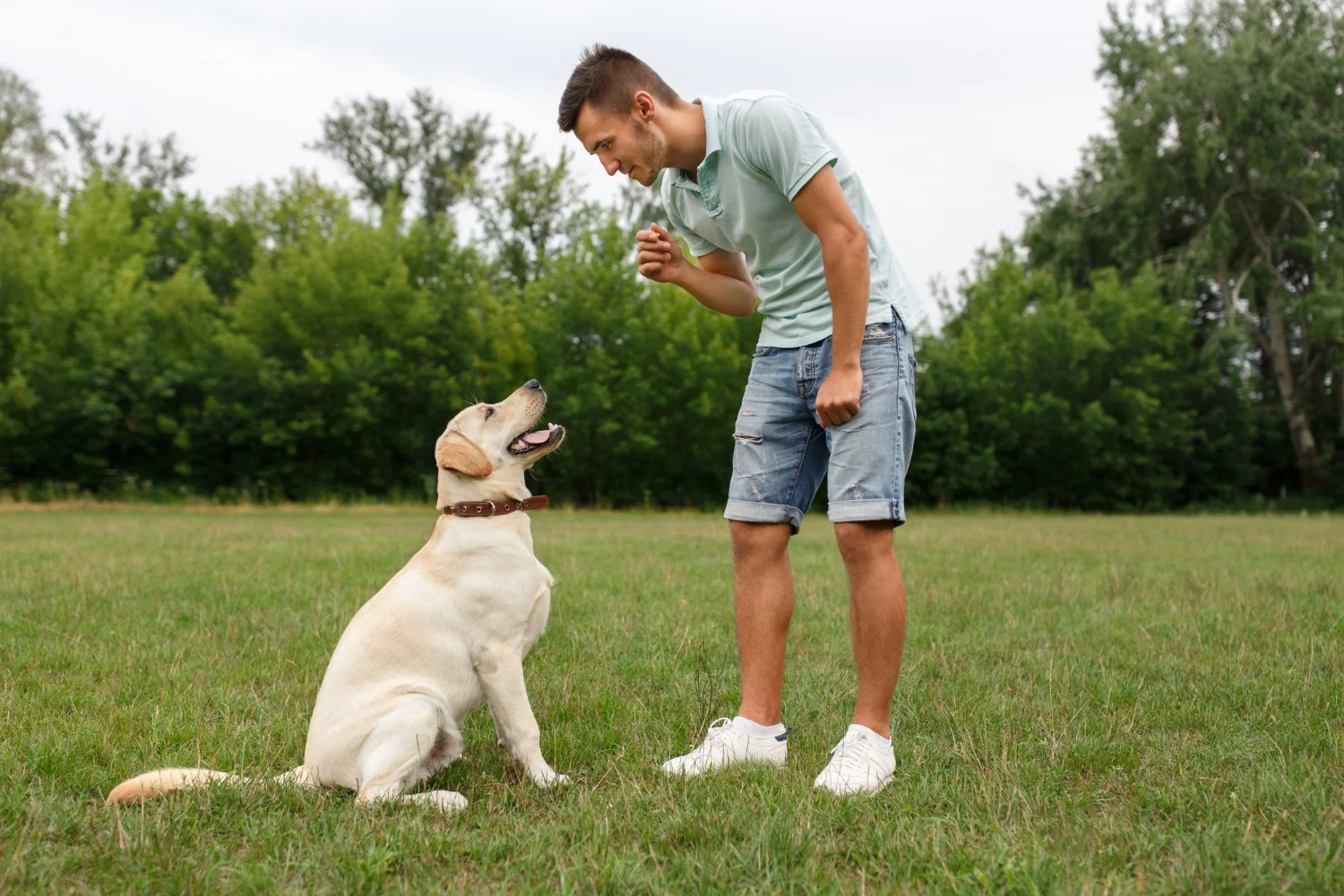
🐾 Tips to Reduce Barking: You can start by identifying why your dog barks. It is best to remove the trigger if possible. You have to teach the “quiet” command with positive reinforcement. Never yell at a barking dog because this sounds like you’re joining in.
Aggression scares pet owners more than any other behavior problem. However, we can manage and fix most aggression issues.
🐾 What to Do: Never punish aggressive behavior with force. This makes things worse. Instead, remove your dog from triggering situations. It is best to work with a certified dog trainer who uses positive methods. The ASPCA offers excellent resources on managing aggression.
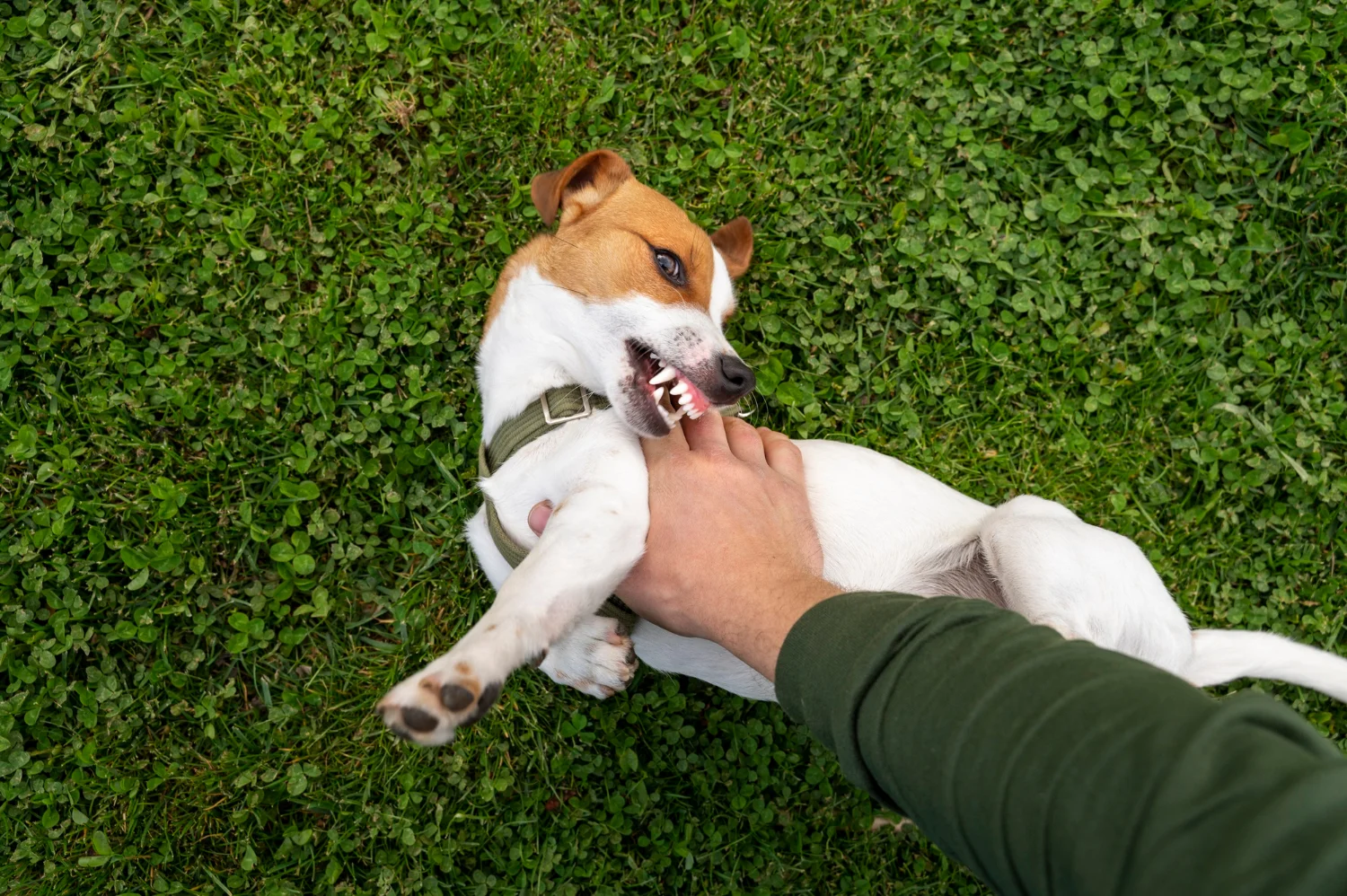
Jumping seems friendly, but it can hurt people and damage clothing. We need to teach our dogs better greetings.
Everyone who meets your dog must follow this rule. If guests pet your jumping dog, you undo all your training work. You have to ask visitors to ignore your dog until he calms down.
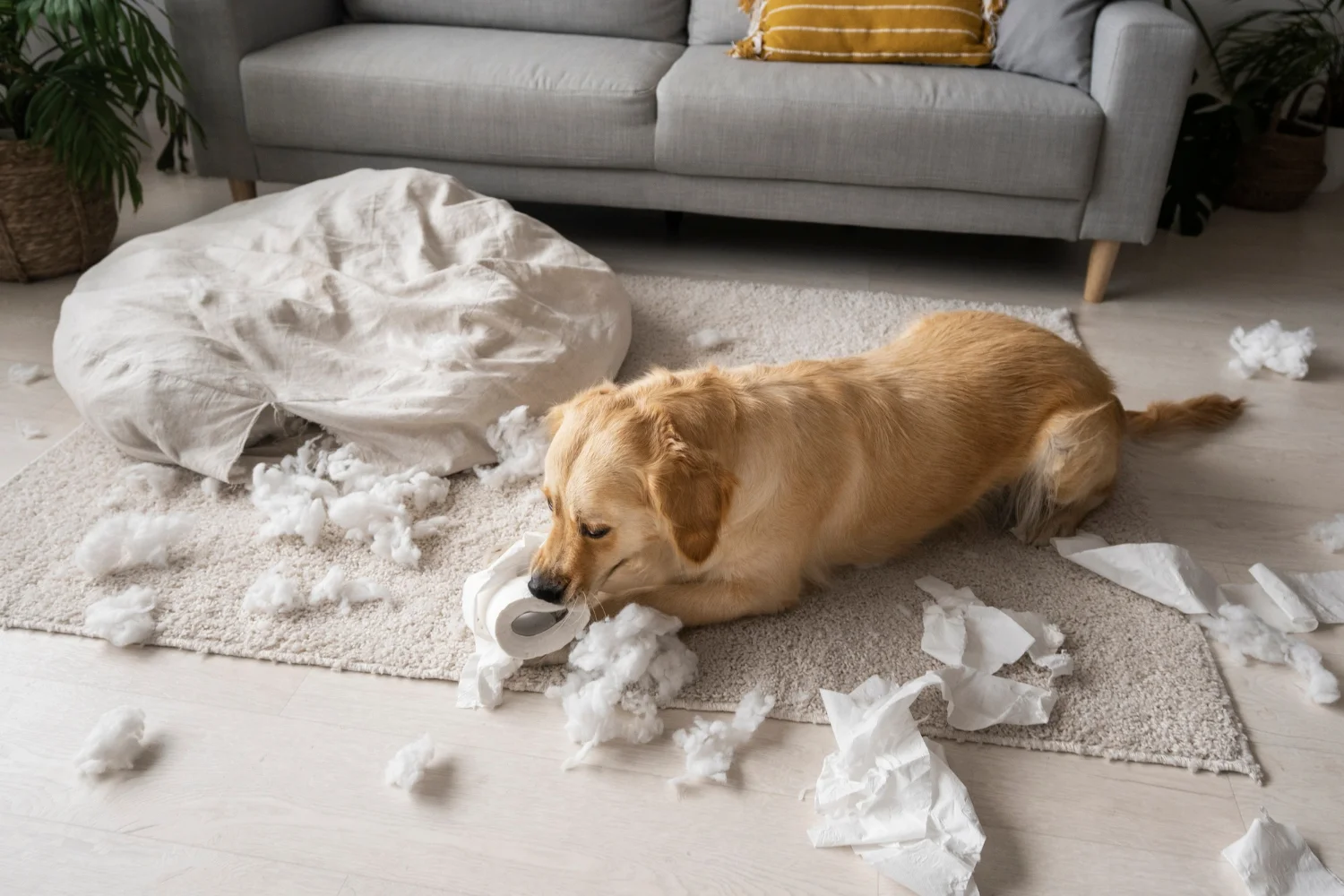
Coming home to chewed furniture or a destroyed yard frustrates every dog owner. Let’s fix it.
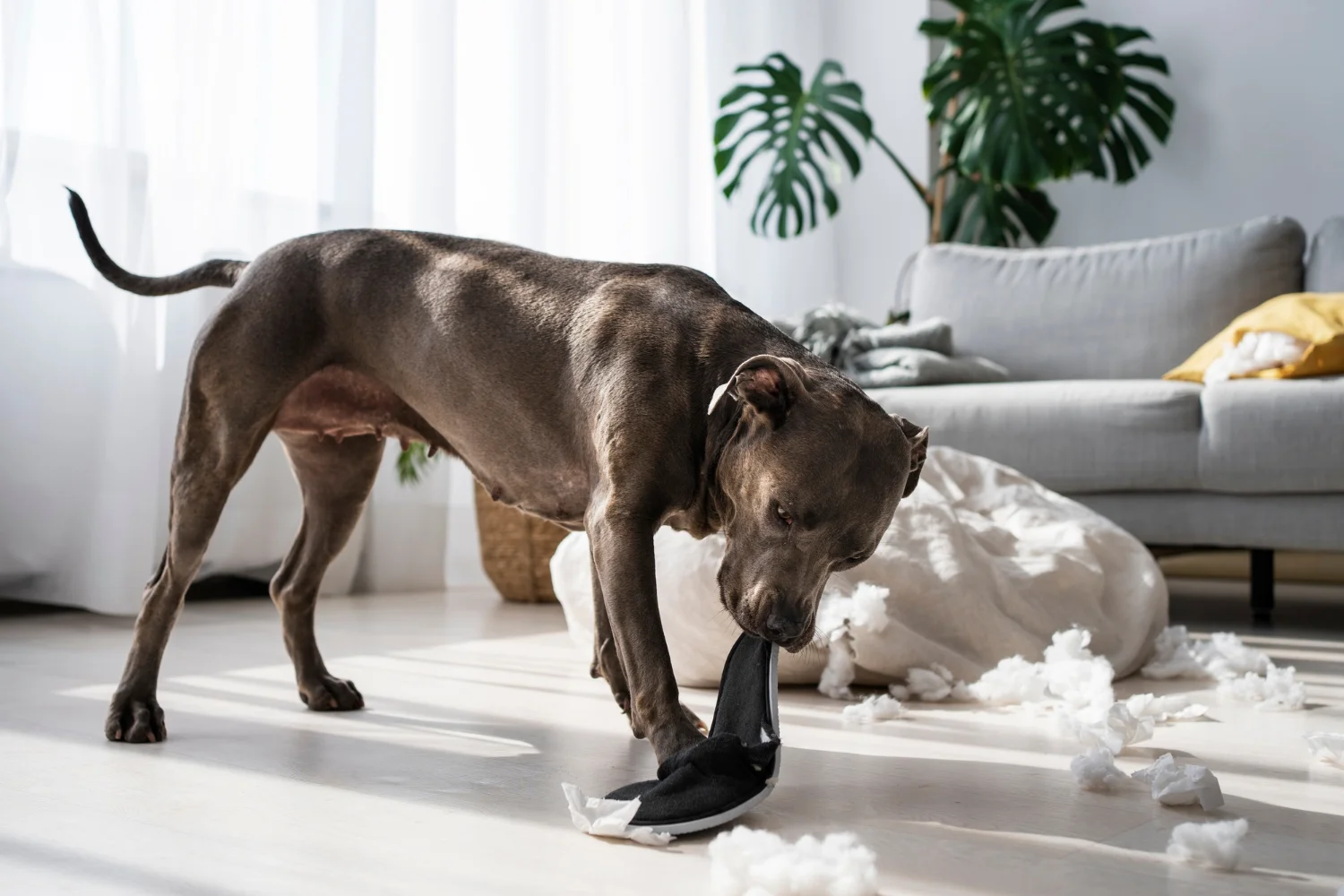
🐾 Solutions: You have to give your dog proper outlets for chewing and digging. Rotate toys to keep them interesting to stop them from chewing your favorite pair of shoes and furniture. Exercise your dog thoroughly before leaving home and create a designated digging area in your yard. You can also consider crate training if destruction happens when you’re away.
Have you gotten complains about your dog howling when you were at work? Separation anxiety goes beyond missing you. It’s genuine panic when left alone.
➺ Signs of Separation Anxiety: Your dog follows you everywhere. They panic when you prepare to leave. You return home to destruction, accidents, or reports of constant barking. Some dogs injure themselves trying to escape.
➺ Why It Happens: Rescue dogs and dogs who experienced trauma often develop separation anxiety. Changes in routine or moving homes can trigger it. Some dogs are simply more prone to anxiety.
➺ How to Help: Start with short absences and gradually increase time away. Create a calm departure routine without emotional goodbyes. Leave your dog with a special treat or toy they only get when alone. In severe cases, medication from your vet helps while you work on training.
🐾 What Doesn’t Work: Punishment makes anxiety worse. Getting another dog doesn’t solve the problem either. Your anxious dog needs to learn independence, not more attachment.
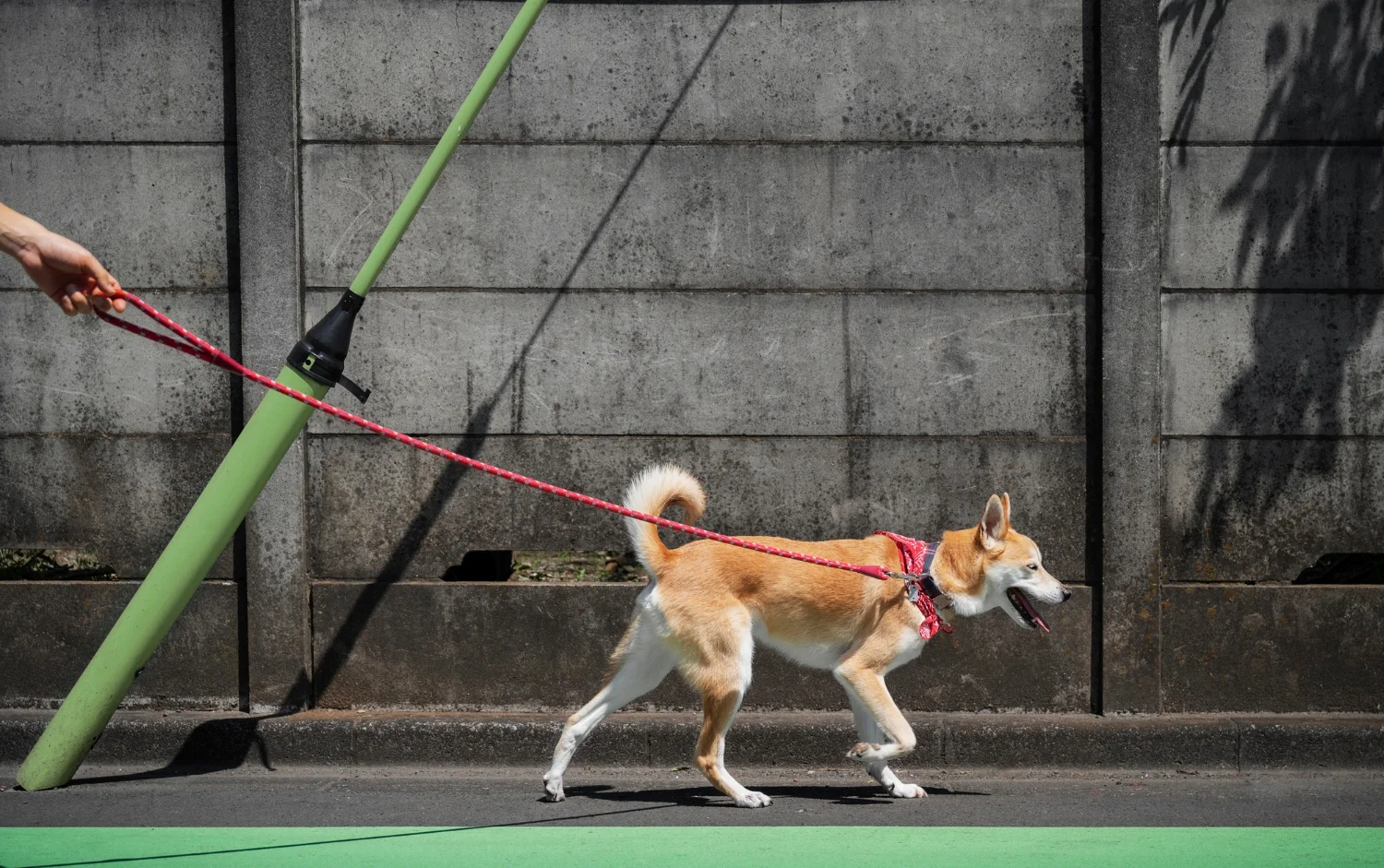
Walking should be enjoyable for both of you. However, many dogs pull so hard that walks become a struggle. A pleasant evening stroll quickly turns exhausting, and you feel embarrassed as you’re pulled along by your furry friend.
So, why dogs pull on leash? Your dog is excited and wants to explore. Moving forward rewards the pulling. Dogs don’t naturally know how to walk politely on a leash.
Some dogs bark and lunge at other dogs or people while on leash. This often comes from frustration or fear. Working with a professional trainer helps you address leash reactivity safely.
Puppies have accidents. But adult dogs should be house trained. If your trained dog suddenly has accidents, something changed.
🐾 Fixing the Problem: Take your dog out more frequently. Praise and reward outdoor bathroom breaks enthusiastically. Clean accidents thoroughly with enzyme cleaners to remove all scent. Never punish accidents after they happen because your dog won’t understand.
Your dog’s behavior changes as they age. By properly understanding these changes you can respond appropriately.
Some behavior problems need expert intervention. You should never wait until someone gets hurt.
🐾 Finding Good Help: Look for certified dog trainers through organizations like the Certification Council for Professional Dog Trainers. Avoid trainers who use punishment, shock collars, or dominance theory. These outdated methods damage your relationship with your dog.
Prevention beats correction every time. Set your dog up for success with a proper environment. Most vets suggest these:
🐾 Positive Reinforcement: You have to reward good behavior immediately. It is best to use treats, praise, or play as rewards. Dogs repeat behaviors that earn rewards. Make good behavior more rewarding than bad behavior.
Dog behavior problems feel overwhelming at first. However, you now understand why dogs misbehave and how to fix common issues. It is best to start with one problem at a time. Be patient and consistent. Your dog wants to please you but needs clear communication. We share proven training tips and behavior solutions every week. Bookmark Ecopetessentials and check back regularly for more help with your dog. Save our articles for quick reference when problems pop up. We’re here to support you through every stage of dog ownership.
➥ Why does my dog bark at everything outside?
Your dog is alert barking to warn you about activity. This is protective behavior. You can train a “quiet” command to stop excessive alert barking effectively.
➥ How do I stop my dog from jumping on guests?
Turn away and ignore jumping completely. Only give attention when all four paws stay on the floor. Ask guests to follow the same rule for consistent training.
➥ Can aggressive dogs be trained safely?
Yes, most aggression responds well to professional training. You need a certified trainer who uses positive methods. Never attempt to fix serious aggression alone without help.
➥ Why does my house-trained dog suddenly have accidents?
Adult dogs have accidents due to medical issues, incomplete training, or marking behavior. Take your dog to the vet first to rule out health problems completely.
➥ How much exercise does my dog really need?
Most dogs need at least 30 minutes of exercise daily. High-energy breeds may need two hours or more. Mental stimulation also counts toward daily exercise requirements.

Castiel Smith cares deeply about animals and the planet. He loves sharing tips that help people take better care of their pets while being kind to nature. Whether it’s about eco-friendly pet products or simple ways to take care of your fur babies, Cas loves sharing Behavior & Training Tips.