You thought bringing home a puppy would be all cuddles and joy. Instead, your hands look like you’ve been wrestling with a tiny shark. Now, you’re up all night Googling, “My puppy won’t stop biting me i’ve tried everything” and wondering if bringing home a puppy was really just a big mistake. Does this sound familiar? You’re not alone, and we promise there’s hope.
The truth is simple but hard to hear: your puppy isn’t trying to hurt you. They’re just a baby. A baby you’ve taken from their world and brought into yours. Everything they knew—their mom, their siblings, their way of playing—is gone. And now they’re trying to figure out life with you. Therefore, you just need to be a bit patient, understand why it’s happening, and get to the bottom of this without further hurting yourself or your pup.
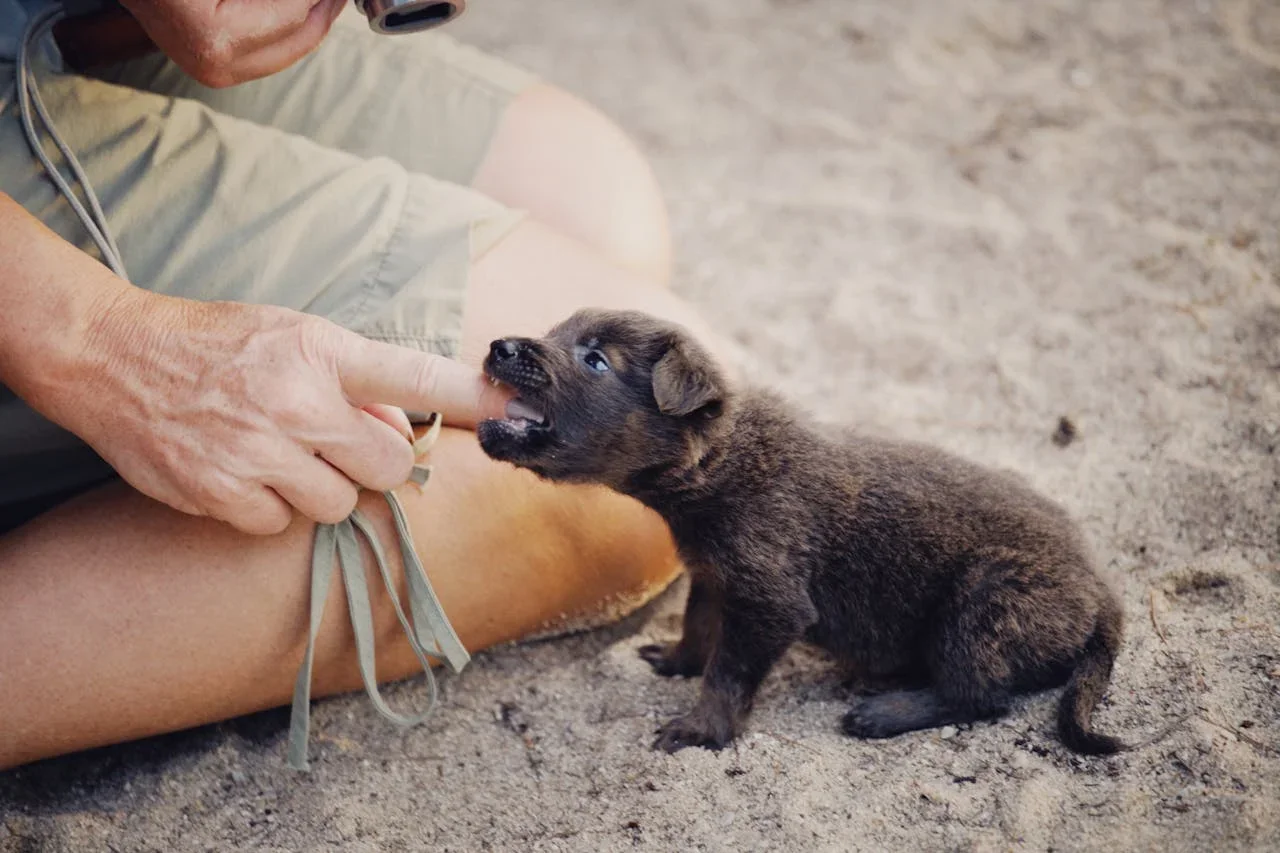
First, let’s address the elephant in the room. Your puppy isn’t mean or broken. According to behavioral experts, biting is normal for young dogs, especially in puppies that are a few weeks old. Here’s why:
Before we talk about solutions, you need to change how you think about this. You have to stop seeing your puppy as a furry adult who should know better. Puppies don’t come trained. Therefore, it’s best to start seeing them as what they are: a confused baby from another world.
When you’re frustrated, whisper this to yourself: “This is a baby that I kidnapped from another world.” Sounds dramatic? Maybe. But it works. When you lead with empathy instead of anger, training becomes simpler. Your puppy misses their family. They don’t understand your language. They’re doing their best with the tools they have, which right now is just their mouth.
We all know why you’re here. Therefore, our experts came up with a step-by-step guide to help you through this tough time, especially first-time puppy parents.
When your puppy bites, your first instinct is to yell or pull away quickly. Don’t resist, as you’re actually making it more fun for them. Instead, freeze or stand up if you need to. You have to make yourself boring. No eye contact, no talking, and no movement. After a few seconds, redirect the attention to their favorite toys.
This technique comes from professional trainers who understand puppy behavior. When teeth touch skin:
Your puppy will learn: biting makes the fun human disappear. Therefore, no biting means the human stays.
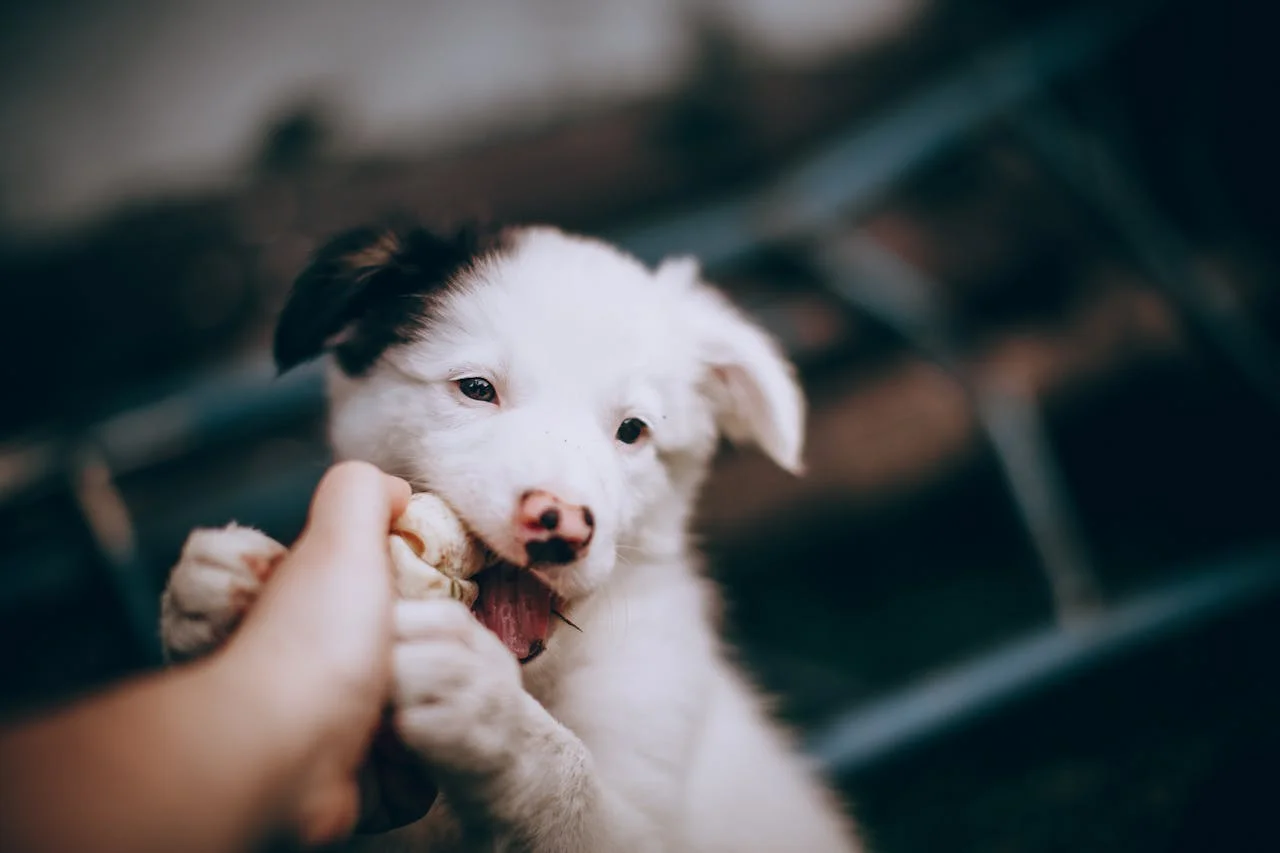
We mean everywhere! Every room should have at least three puppy-safe toys. When your puppy goes for your hand, shove a toy in their mouth instead. This makes the toys more exciting. Wiggle them, make funny noises, and show your puppy that toys are way more fun than fingers.

You can teach them by holding a treat in your closed fist. Your puppy will probably try to bite it out. So, wait, and the second they lick or touch gently, say “gentle” and open your hand. Repeat this daily, and soon “gentle” means “use your tongue, not your teeth.” You can teach your pup without a name, right? If you’re still looking for a unique name for your male puppy or girl puppy, then we have the perfect pick for your bouncing puppy.
A tired puppy is a calmer puppy. But here’s the trick—mental exercise tires them out faster than physical exercise. You can try puzzle feeders and sniff games. It is best to make a game out of it, so hide treats around the house and make them work for their meals. We share tons of enrichment ideas on our blog. And if you’re looking for tips to potty train your puppy that stop the smelly accidents immediately, then we are the blog for you!

Puppies are like toddlers. When they’re overtired, they get wild. They lose control, and the biting gets worse. You have to watch for the signs: zoomies, can’t settle down, ignoring you completely. When you see these, it’s naptime. Put them in their crate with a chew toy and let them crash. Some users have said that if their pups don’t get their forced naps, they’re cranky and act out more.
You can start wearing long sleeves during training sessions. Keep a toy in your pocket at all times and avoid games that encourage biting, like rough wrestling or tug-of-war (save those for when they’re older). When you’re truly at your limit, it’s okay to use baby gates or a playpen. It’s good to give yourself a break too. ❤️
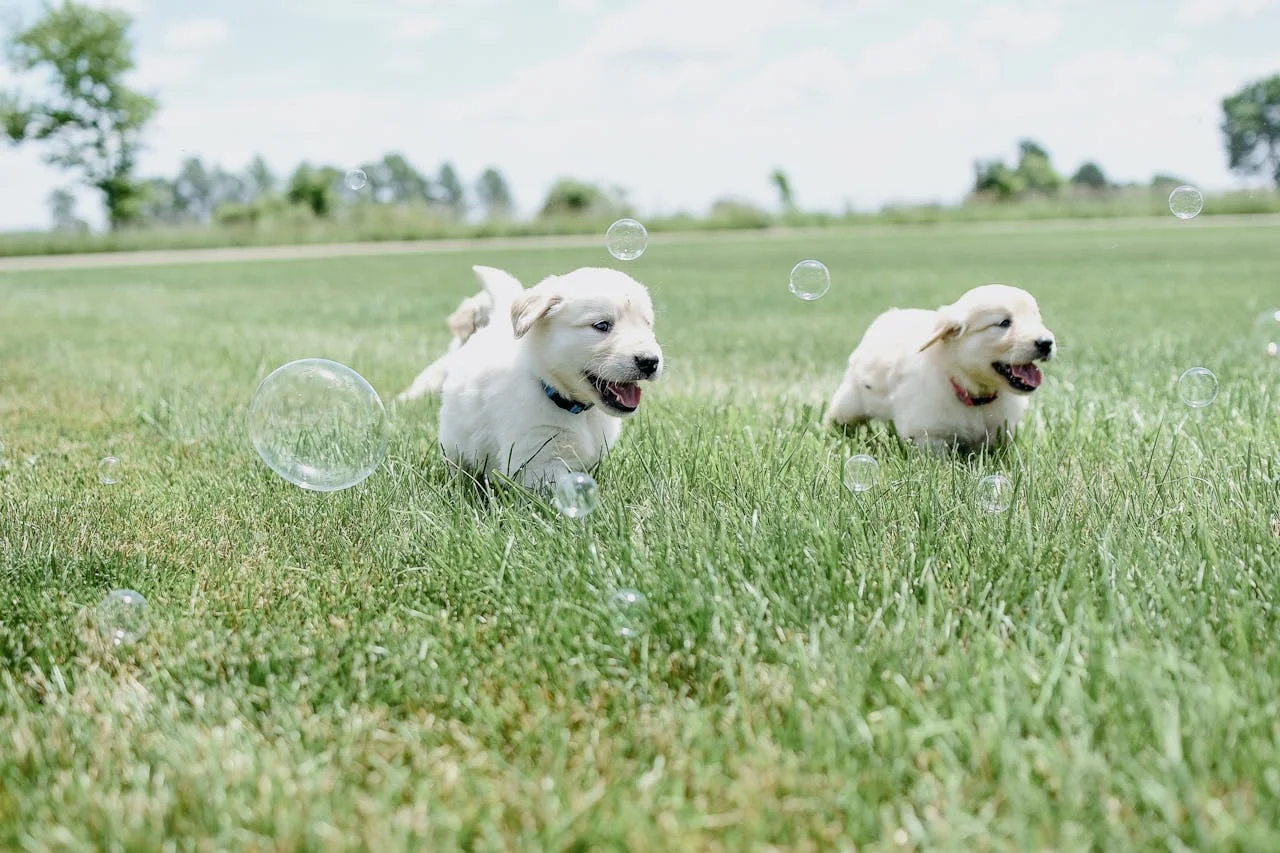
Every pup owner knows that this phase is hard, like really hard! You’re sleep-deprived, covered in scratches, and wondering if you made a huge mistake.
You didn’t make a mistake. You’re just in the thick of it.
Most puppies grow out of the worst biting by 6-7 months old. Until then, you’re going to have tough days. Days when my puppy won’t stop biting me i’ve tried everything feels like your daily mantra. On those days, remember: you’re not failing. This is normal. Every puppy owner goes through this, and so will you!
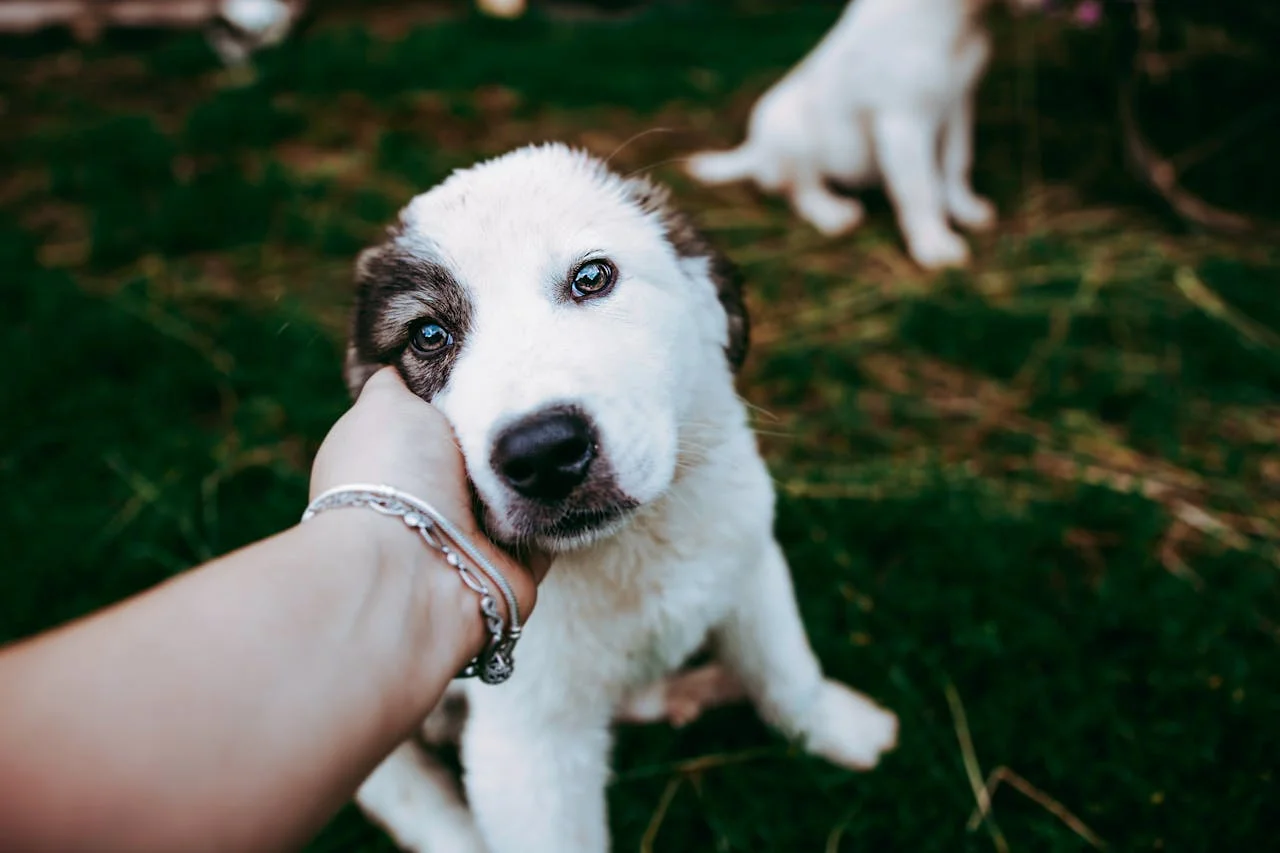
Sometimes you need backup, and that’s okay. Consider calling a certified dog trainer if:
You can look for trainers who use positive reinforcement methods. It is best to check their credentials through organizations like the Certification Council for Professional Dog Trainers.
We know how isolating this can feel. When you’re having a rough day, jump on communities like r/puppy101 where thousands of owners share their struggles and wins. You’ll find posts like this honest confession from someone who felt exactly like you do now. Reading stories from people who survived puppyhood helps more than you’d think.
One day, sooner than you think, you’ll realize your puppy hasn’t bitten you all morning. Then all day. Then all week. You’ll look at your healed hands and barely remember how hard those early months were. That puppy you’re struggling with right now? They’re going to become your best friend. The one who knows when you’ve had a bad day and just needs to be near you.
But first, you both have to get through this phase together. With patience, consistency, and lots of deep breaths. At Ecopetessentials, we walk this journey with you. Bookmark our site and save our training tips for those moments when you need quick solutions. Keep coming back, because we’re always here with honest, practical advice for real pet parents facing real challenges. Your puppy is lucky to have someone who cares enough to find answers!
➥ How long does the puppy biting phase last?
Most puppies improve significantly by 6-7 months old when their adult teeth come in. You’ll see gradual progress before then with consistent training methods.
➥ Is it normal for my puppy to bite me constantly?
Yes, frequent biting is completely normal for puppies under 6 months. It’s how they explore, play, and communicate. Your job is teaching them appropriate alternatives.
➥ Should I let my puppy bite me at all?
No teeth on skin, ever. This clear rule helps your puppy learn boundaries. Always redirect to appropriate toys when they try to mouth you.
➥ Why does my puppy bite me more in the evening?
Evening biting usually means your puppy is overtired. Puppies need 18-20 hours of sleep daily. Create a calm routine before scheduled naptimes to prevent this.
➥ Can I play tug-of-war with my biting puppy?
Wait until your puppy has good bite control first. Tug can increase arousal levels and make biting worse if started too early in training.

Castiel Smith cares deeply about animals and the planet. He loves sharing tips that help people take better care of their pets while being kind to nature. Whether it’s about eco-friendly pet products or simple ways to take care of your fur babies, Cas loves sharing Behavior & Training Tips.