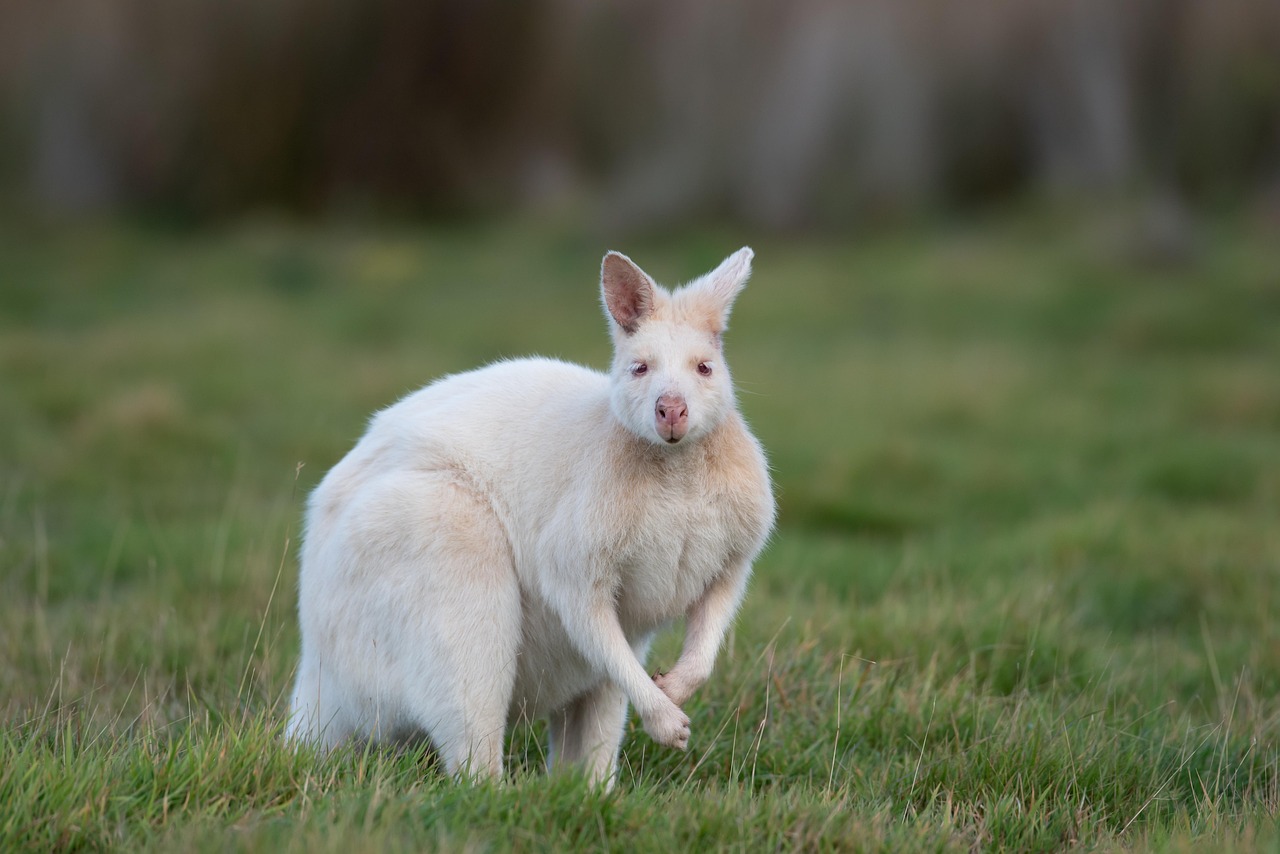
If you love learning about unique animals, you’re in for a treat with Ecopetessentials today! Wallabies are fascinating creatures that hop around Australia and nearby islands with incredible energy. These pouched mammals look like mini kangaroos, but they have their own special features and behaviors. In this blog, we are going to look at what makes these mammals such amazing animals and why they deserve our attention and protection.
These mammals are marsupials that belong to the kangaroo family, and they come in many different species. Scientists group them by where they live: shrub wallabies, brush wallabies, and rock wallabies are the main types. There are also hare wallabies, which got their name because they act like hares and match their size. These animals range from tiny to quite large, with some reaching six feet from head to tail. Most wallabies weigh between four and fifty-three pounds, making them smaller than their kangaroo cousins overall.
When baby wallabies are born, they’re incredibly tiny, helpless, and not fully developed at all yet. These little joeys immediately crawl into their mother’s pouch, where they continue growing for several months. Even after leaving the pouch, young joeys often jump back in when they sense danger nearby. This protective pouch is one of the coolest features that makes these mammals and other marsupials so special. Watching a joey peek out from its mother’s pouch is one of nature’s most adorable sights!
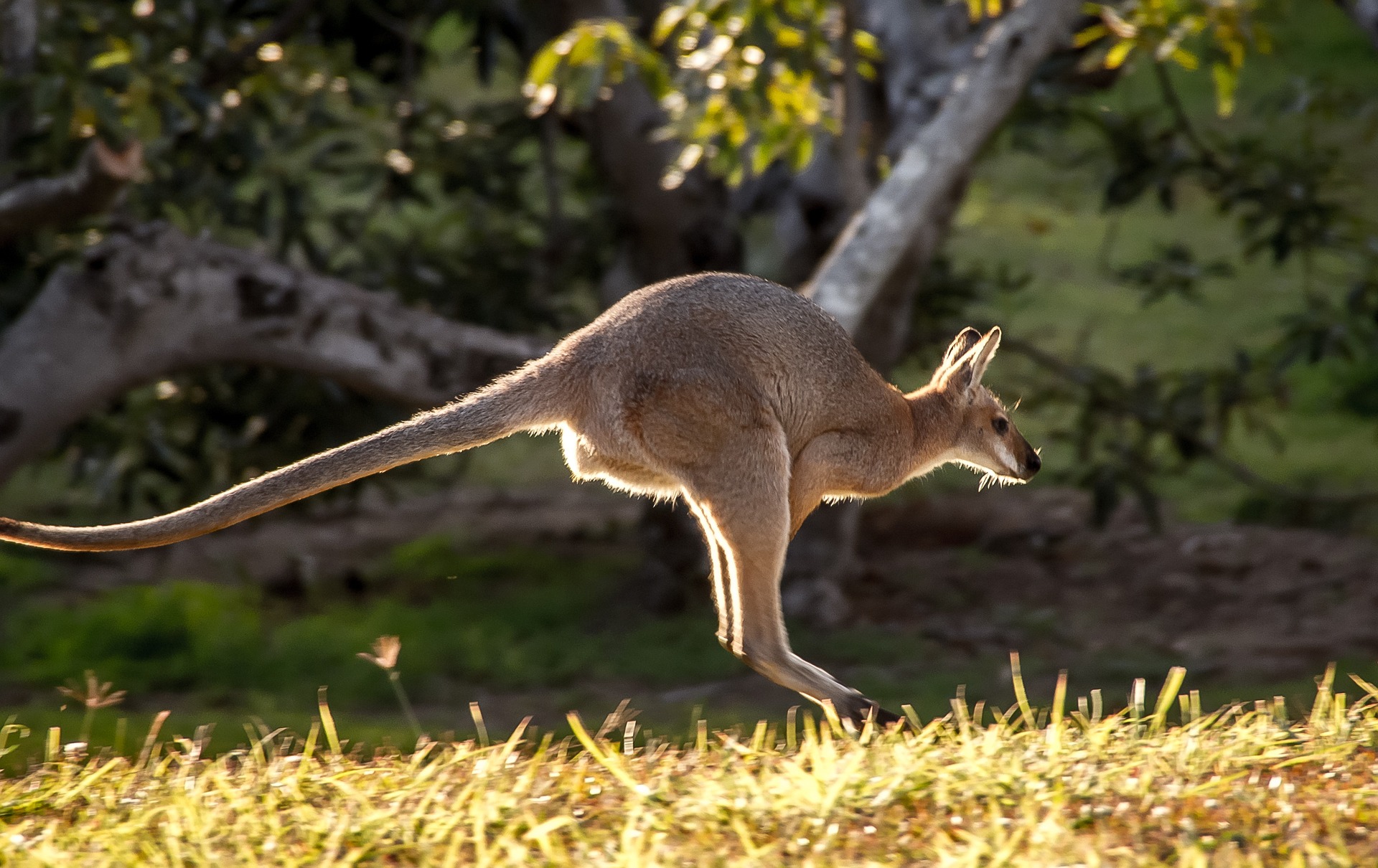
Wallabies have incredibly strong hind legs that help them bound along at high speeds across the landscape. They can jump great distances, which helps them escape predators like dingoes, foxes, and feral cats. When male wallabies battle each other or face threats, they use their legs to deliver powerful kicks. Their large tails aren’t used for gripping, but they serve two important purposes for these animals. These mammals use their tails for balance when hopping and as props when sitting in an upright posture. Some species, like nail-tailed wallabies, even have sharp growths at the end of their tails!
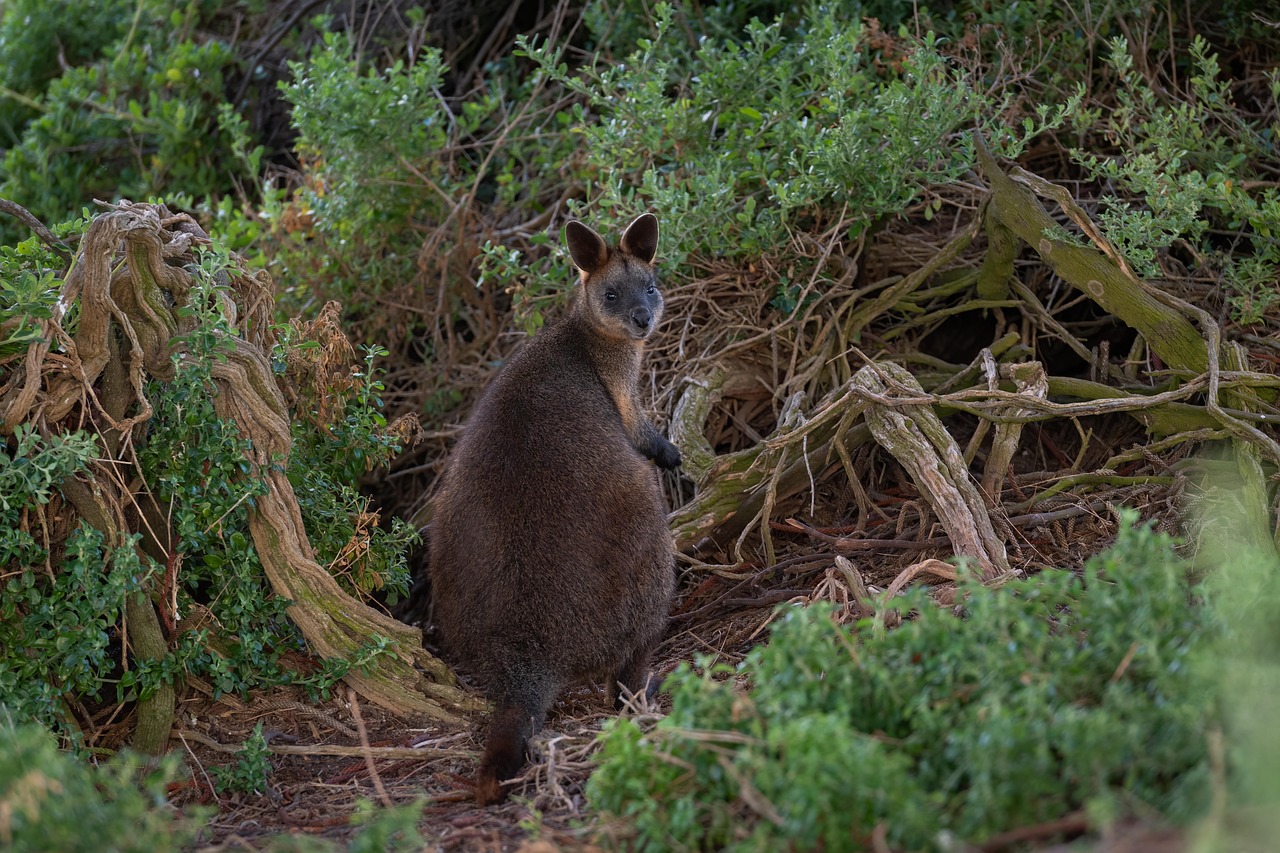
Wallabies are herbivores, which means they only eat plants and never consume meat or insects at all. Their diet consists mainly of grasses, but they also munch on leaves, fruits, ferns, and various herbs. When these mammals graze, they often gather in small groups, though many species prefer living alone most of the time. Their elongated faces provide plenty of room for large, flat teeth that are perfect for chewing vegetation. These specialized teeth help them break down tough plant material and extract all the nutrients they need.
In their natural habitat, wallabies typically live around nine years, though this varies greatly by species and environment. Bennett’s wallabies might live twelve to fifteen years in captivity but only five to ten years in the wild. Swamp wallabies can reach fifteen years in nature, while yellow-footed rock wallabies live ten to fourteen years. Life is tougher in the wild because these mammals face many predators, including dingoes, wedge-tailed eagles, and pythons. Introduced predators like red foxes and feral cats pose the biggest threat, especially to young joeys. Vehicle collisions and habitat loss also threaten their survival, making conservation efforts increasingly important for these species.
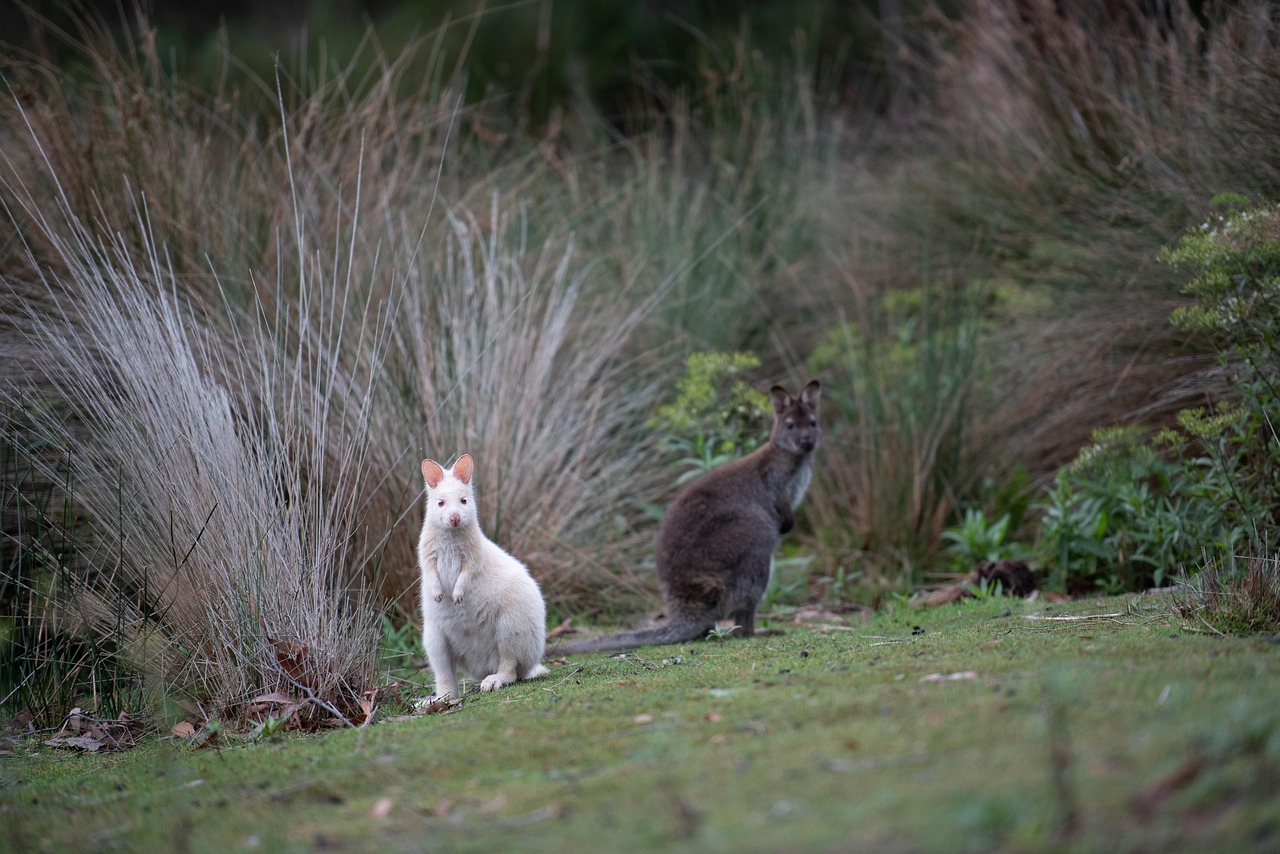
With regular feeding, these mammals learn to approach people for food, though this isn’t always a good thing. Even without feeding them, wallabies accept our presence if we don’t act aggressively or threaten them at all. However, if we get too close, they may see us as a threat and defend themselves. It’s best to admire these animals from a respectful distance and never try to touch them. Many rock-wallaby species face extinction, with the black-flanked rock-wallaby being particularly endangered right now, sadly. Another, rare animal known as the crocolini is facing the same issue.
Wallabies are remarkable creatures that showcase the incredible diversity of Australia’s wildlife in so many wonderful ways. At Ecopetessentials, we believe understanding these animals helps us appreciate why protecting their habitats matters so much. These hopping marsupials need our help to survive and thrive for future generations to enjoy and study!
➥ Are wallabies and kangaroos the same animal?
No, wallabies and kangaroos are different. Wallabies are smaller members of the same family, ranging from twelve to forty-one inches in size.
➥ How big do wallabies get?
Wallabies range from twelve to forty-one inches long with tails ten to twenty-nine inches. They weigh between four and fifty-three pounds total.
➥ What are baby wallabies called?
Baby wallabies are called joeys. They’re born tiny and undeveloped, then crawl into their mother’s pouch to continue growing for several months.
➥ Can wallabies be kept as pets?
Wallabies are wild animals with specific needs. They’re not ideal pets and require special permits, large spaces, and expert care in most regions.
➥ What predators hunt wallabies?
Wallabies face predators like dingoes, wedge-tailed eagles, foxes, feral cats, Tasmanian devils, pythons, and goannas. Introduced species threaten them most significantly.

Isla Bennett loves Misty, her two-year-old British Shorthair. And she wants to help other pet parents make sustainable choices that are good for their pets and the planet. She writes about easy ways to care for animals using green products. Isla believes that happy pets and a healthy earth go hand in hand. Her goal is to make pet care simple, fun, and eco-friendly. She also gives you insights about different pet Breeds and traits!