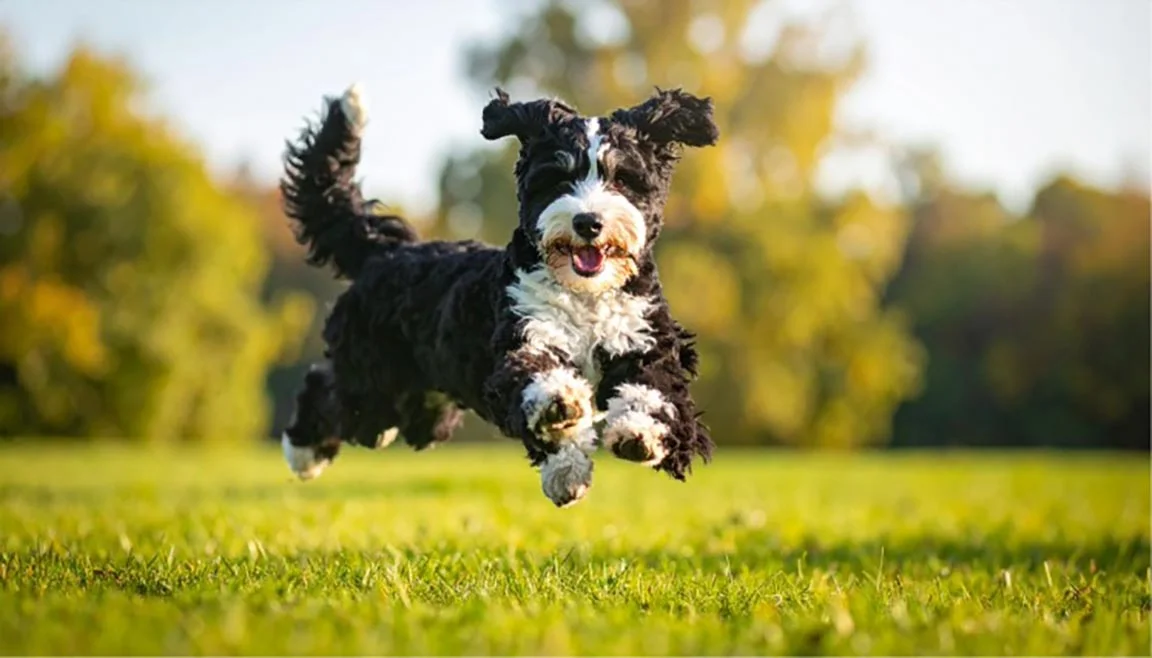
Have you ever seen a dog so fluffy you had to do a double-take? That was probably a Bernedoodle. These adorable dogs are taking over social media and pet lovers’ hearts. We at Ecopetessentials are here to tell you everything you need to know. What is a Bernedoodle, really? Let’s find out.
A Bernedoodle is a mix of a Bernese Mountain Dog and a Poodle. This crossbreed is not that old. It was first bred in 2003 by Sherry Rupke of SwissRidge Kennels in Canada. The goal was simple. Breeders wanted a dog with the calm, loving nature of a Bernese Mountain Dog. They also wanted the low-shedding coat of a poodle. The result? One of the most loved mixed breeds in the world. Bernedoodles are smart, playful, and great with families. They are a wonderful choice for people who want a loyal dog. They bond strongly with their humans.
Many people ask us this. The short answer is, kind of. No dog is 100% hypoallergenic. But Bernedoodles come very close. They inherit the low-shedding Poodle coat. This makes them a great choice for people with mild pet allergies. When a Bernedoodle takes more after the Poodle parent, it sheds less. That means less dander in your home. Less dander means fewer allergy issues for you. You can read more about allergy-friendly pets in our post on Fluffy French Bulldog Puppies: Types, Care & What to Expect.
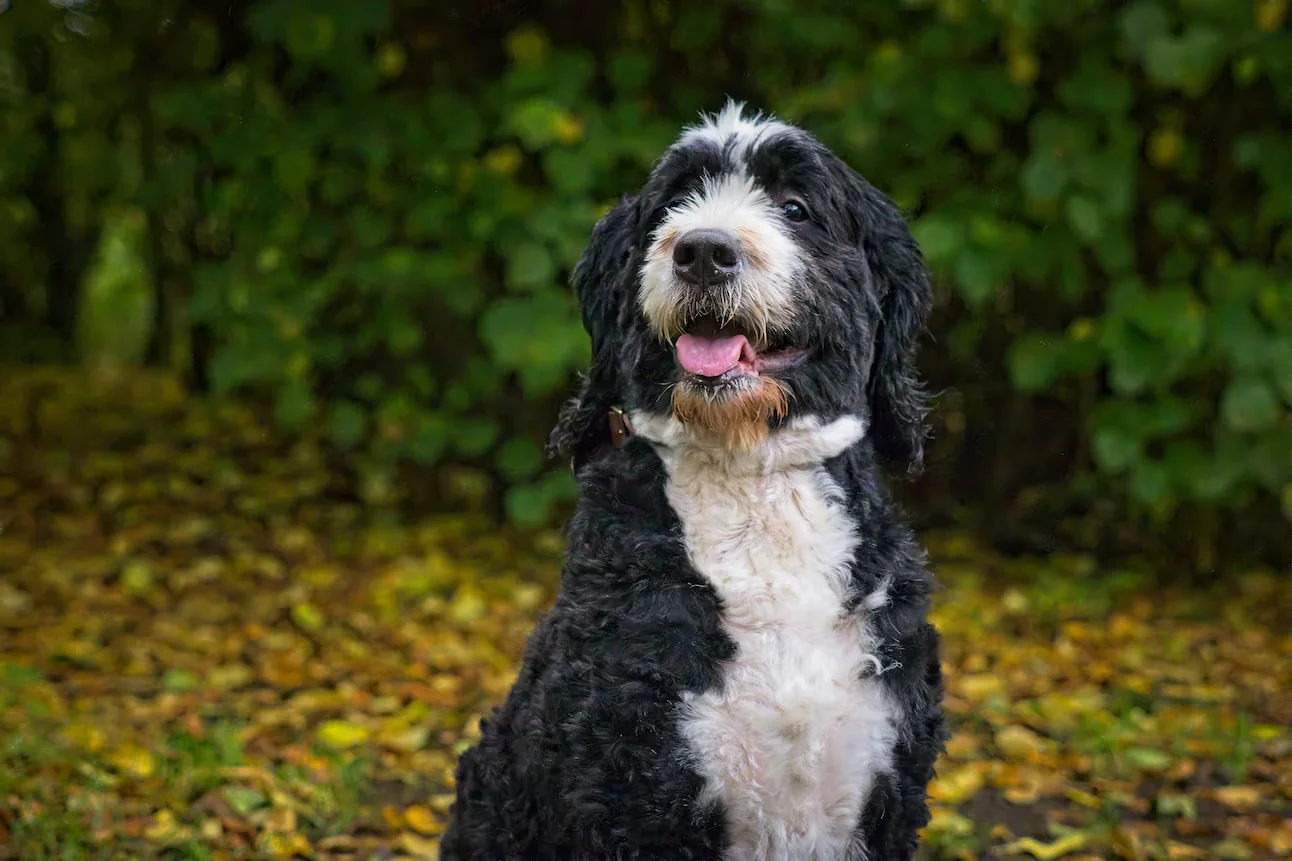
Not all Bernedoodles are the same size or type. Here are the main types we see:
The F1B is the most popular. It sheds the least and is best for allergy sufferers.
Size depends on the type. Here is a quick breakdown for you:
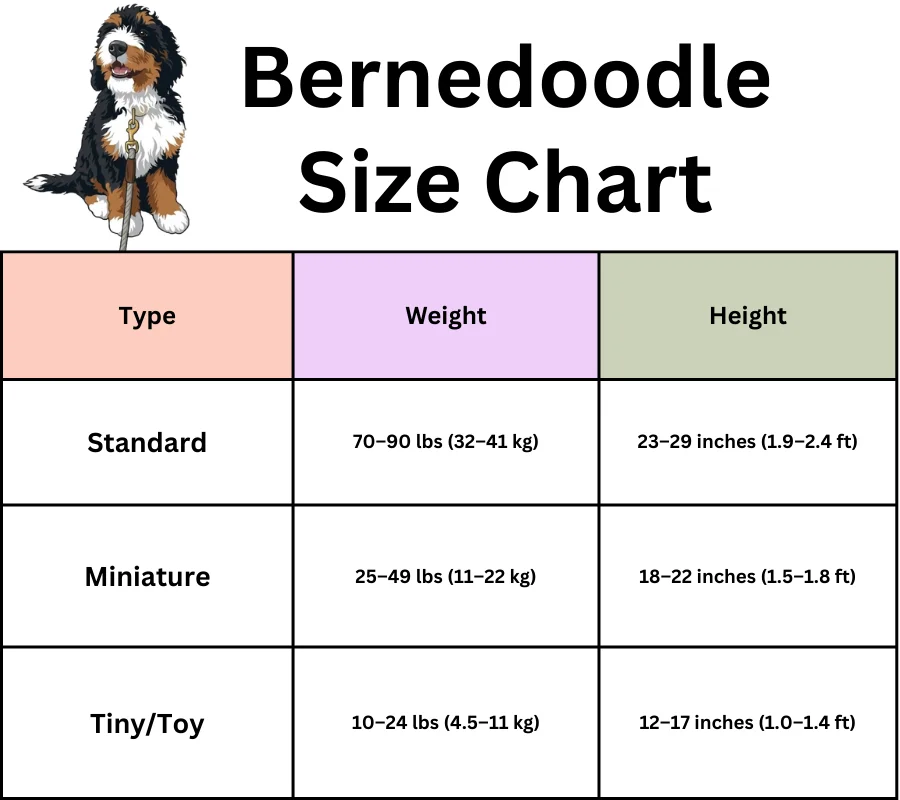
Standard Bernedoodles are large dogs. They need space and plenty of exercise. Tiny Bernedoodles are more suited to smaller homes.
Good news here. Bernedoodles are not big barkers. They are calm and gentle dogs most of the time. They may bark to alert you of strangers and may also bark when bored or under-exercised. But compared to many other breeds, they are quiet dogs. If your Bernedoodle is barking too much, we recommend checking our Behavior & Training Tips section. Training early makes a big difference.
Vets generally have good things to say about Bernedoodles. Here is what we know from veterinary insights:
Vets often recommend early health screening when you buy a Bernedoodle. Ask your breeder for health certifications for both parent breeds. You can learn more about keeping your dog healthy in our post Can Dogs Get the Flu & Can They Catch It from You?

We love Bernedoodles. But we also want to be honest with you. Here are the main downsides:
This is a very common question. Here is why the price is so high:
Always avoid breeders who price Bernedoodles too cheaply. Very low prices can mean poor breeding practices. It can cost you more in vet bills later.
Many people ask us this. Bernedoodles are actually one of the calmest doodle breeds. Their Bernese Mountain Dog side brings a gentle, easygoing temperament.
Other calm doodle breeds include:
But if calm is your top priority, the Bernedoodle often wins. Especially the Mini Bernedoodle. It has a relaxed nature that suits families very well.
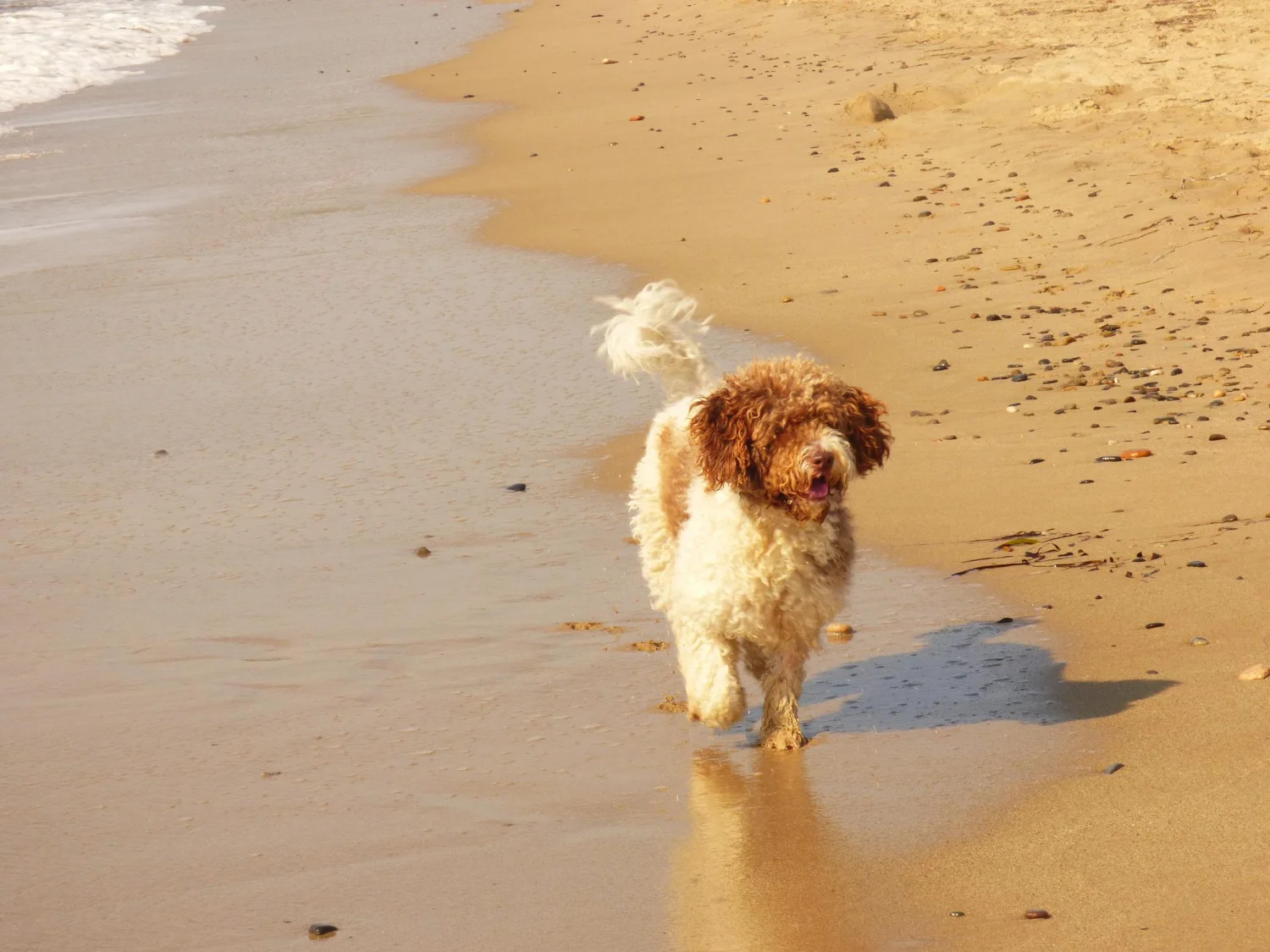
Ask yourself these questions before you buy one:
If you said yes to most of these, a Bernedoodle could be your perfect match.
For more help on choosing the right breed, check out our full Breeds section on Ecopetessentials.
Now that you know what is a Bernedoodle, you are one step closer to making the best decision for your family. These dogs are loyal, loving, and truly one of a kind. We want you to feel 100% ready before bringing one home. You can save this page and bookmark Ecopetessentials right now. We post new pet care tips, breed profiles, product reviews, and training advice every week. You will always find something useful here for your pet. Whether you are a new pet parent or a seasoned pro, we have got you covered. Keep coming back, as your pet will thank you for it. 🐾
➥ What is a Bernedoodle made of?
A Bernedoodle is a cross between a Bernese Mountain Dog and a Poodle. You get a smart, fluffy, low-shedding dog with a loving personality.
➥ Are Bernedoodles good for first-time dog owners?
Yes! Bernedoodles are gentle and easy to train. Their calm nature makes them a great choice for you if you are new to owning a dog.
➥ How long does a Bernedoodle live?
Most Bernedoodles live between 12 and 18 years. Smaller Bernedoodles tend to live longer than standard-sized ones.
➥ Do Bernedoodles shed a lot?
No, they shed very little. Their poodle genetics keep shedding low. F1B Bernedoodles shed the least and are best for your allergy needs.
➥ Can Bernedoodles be left alone during the day?
They do not love it. Bernedoodles can develop separation anxiety. Try not to leave yours alone for more than 4 to 6 hours.

Isla Bennett loves Misty, her two-year-old British Shorthair. And she wants to help other pet parents make sustainable choices that are good for their pets and the planet. She writes about easy ways to care for animals using green products. Isla believes that happy pets and a healthy earth go hand in hand. Her goal is to make pet care simple, fun, and eco-friendly. She also gives you insights about different pet Breeds and traits!