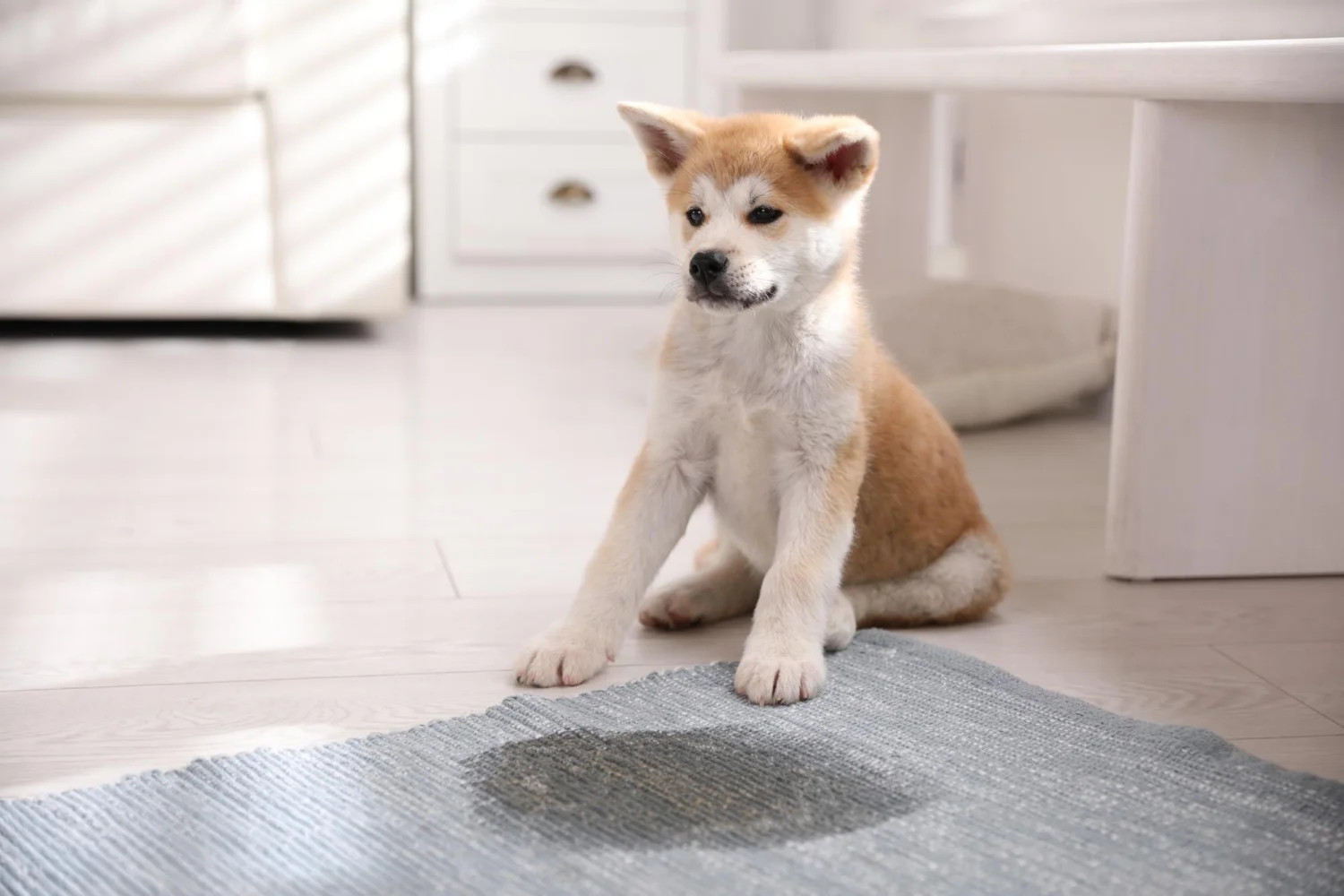
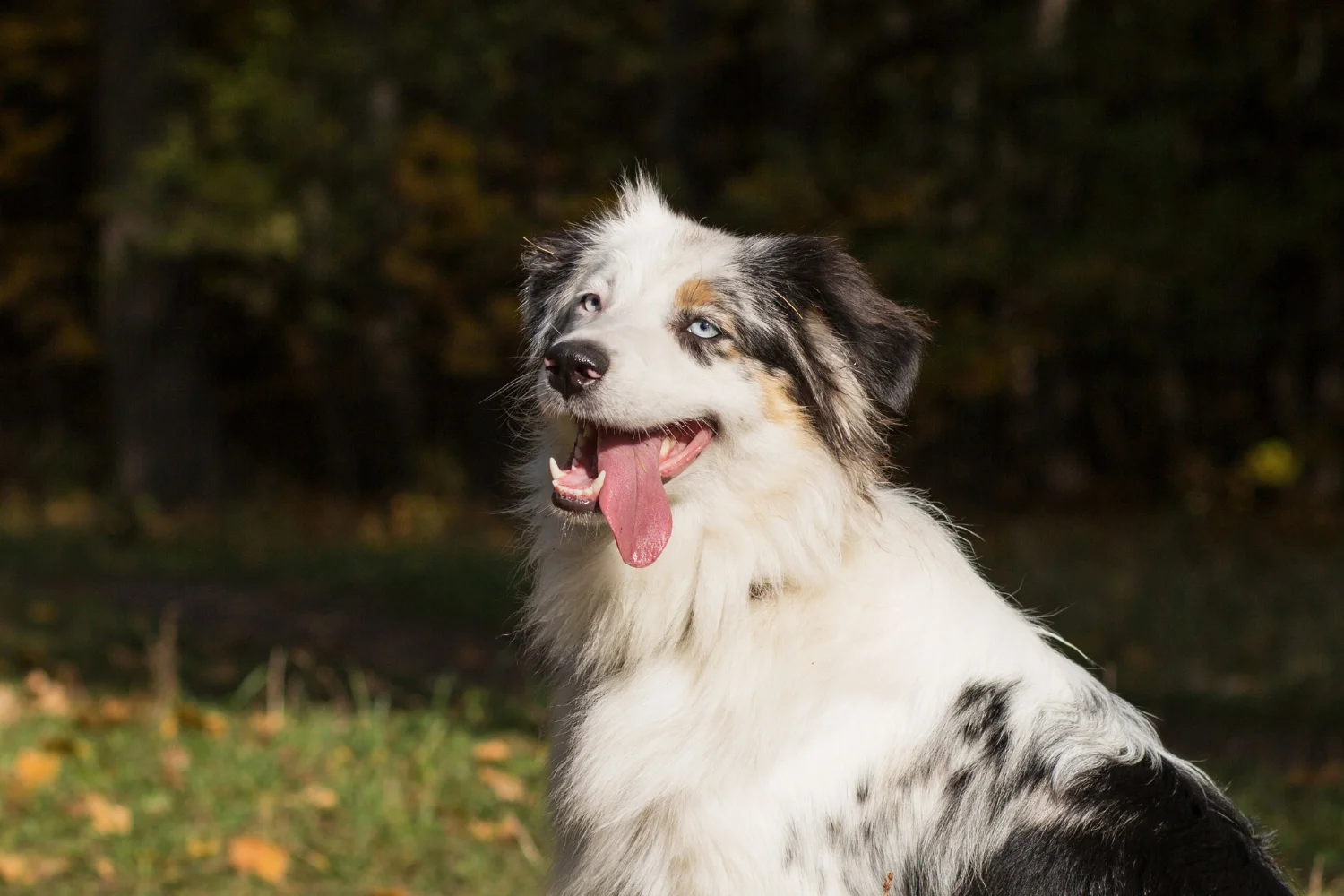
Have you ever looked at your dog and asked, why do dogs pant like that? You are not alone. We get this question a lot here at Ecopetessentials. It is one of the most common things dog owners notice and wonder about. Your dog could be panting after a walk. They could be panting in the middle of the night. They could be panting for no reason you can see at all. Sometimes panting is totally fine and nothing to stress about. Other times, it is your dog’s way of telling you something is wrong. Either way, you need to know the difference. We are here to help. Let us break it all down for you, step by step
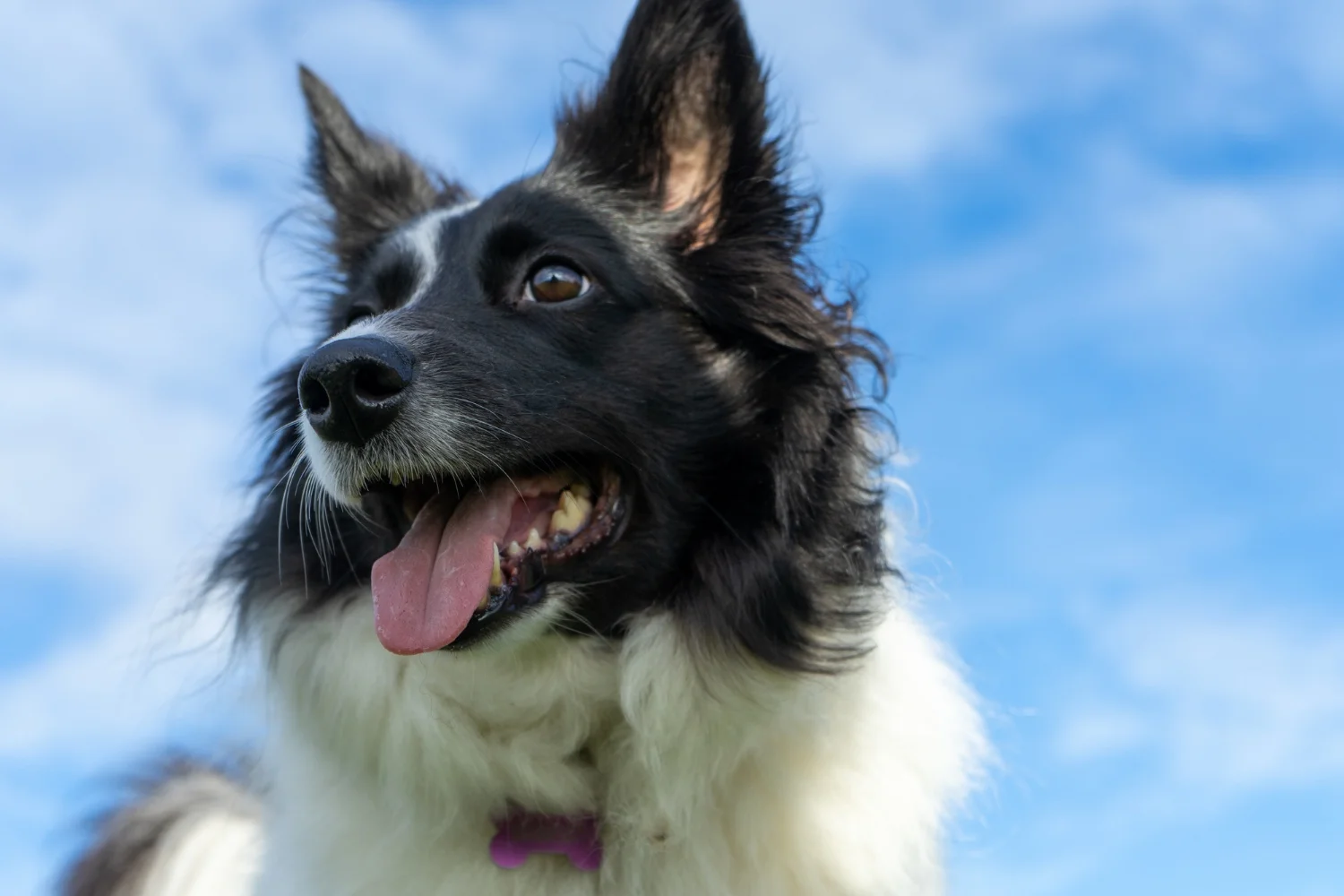
Panting is fast, shallow breathing. Your dog opens their mouth wide. Their tongue hangs out. They breathe in and out quickly. This is how dogs cool their bodies down. Dogs cannot sweat like humans do. Panting allows them to rapidly inhale, humidify, and exhale air. This speeds up water evaporation from their nose and lungs, which cools their body from the inside out. So yes, panting is mostly normal. But not always.
We did the research so you do not have to. You have to read each reason carefully. One of them might be exactly what your dog is going through right now.
This is the most common reason. Unlike us, dogs cannot sweat through their skin to cool down because of their thick fur. By panting, they quickly exchange hot air from their lungs with cooler outside air.
On a hot day, always give your dog:
Your dog just heard the word “walk.” Now they are panting and spinning in circles. That is excitement panting. This type of panting can be rapid and shallow, and it is often accompanied by whining. This is totally normal. Nothing to worry about here.
Dogs pant when they feel scared or nervous too. This type of panting, called behavioral panting, can usually be seen with yawning, pacing, licking lips, whining, shaking, or hiding.
Common triggers include:
If your dog stresses often, talk to your vet. There are calming products that can help. You can also read our guide on dog behavior and training tips for more help.
This one surprises a lot of dog owners. Excessive panting in dogs can indicate nausea, discomfort, and pain. Dogs are great at hiding how much they hurt. If your dog’s panting is due to pain, it will usually show up at odd times. It often happens at night when they should be resting. If your dog pants for no clear reason, please see a vet.
Heatstroke is a real emergency. Overheating will cause heavy panting in dogs, which can quickly lead to dehydration and death if untreated. Treating heatstroke requires emergency veterinary care.
Signs of heatstroke include:
Never leave your dog alone in a parked car. Even on mild days, cars heat up fast. Act fast if you think your dog has heatstroke. Move them to shade, offer water, and call your vet right away.
Certain medications, especially prednisone or other steroids, may cause increased panting even when your dog is not hot, excited, or stressed. This is a common side effect. If your dog just started a new medicine and is now panting more, call your vet. Do not stop the medicine on your own.
Heart problems can also cause your dog to pant a lot. Dogs with heart issues may pant consistently, even when not exercising, as they struggle to catch their breath. They may also cough and show general weakness and tiredness. Lung problems like pneumonia can do the same. If panting comes with coughing or lethargy, see a vet right away.
This is a hormonal problem. Cushing’s disease is caused by the adrenal glands releasing too much cortisol. Other symptoms may include increased thirst, weight gain, thinning skin and hair, and a pot belly. If your older dog pants a lot and also drinks too much water, it is worth checking with your vet.
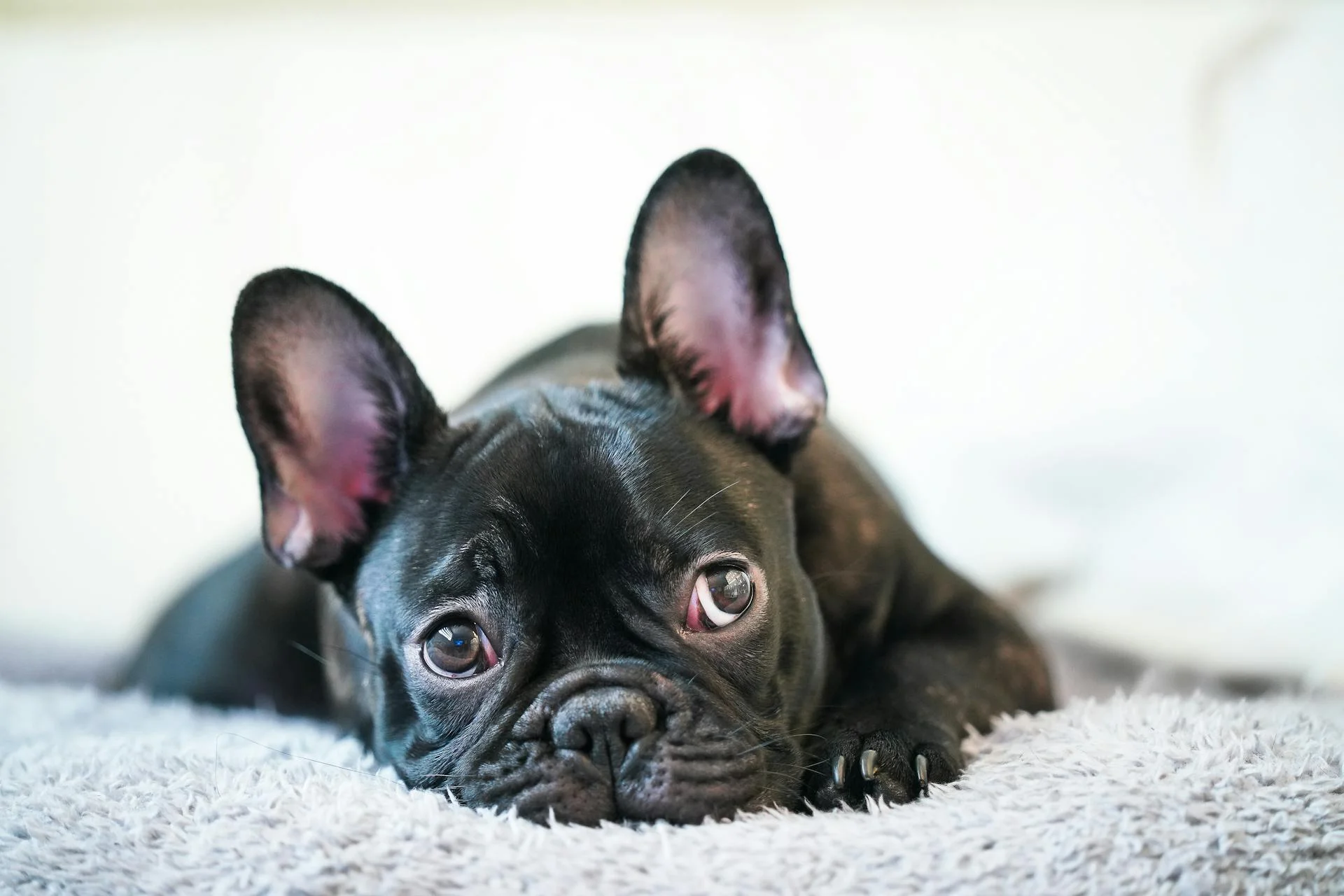
Do you have a Pug, French Bulldog, or Boxer? These dogs have short snouts. Because of their anatomy, these dogs suffer from ongoing breathing difficulties as a result of a narrowed upper respiratory tract. They don’t pant as efficiently as other dogs, making them much more at risk of heatstroke or overheating. You have to keep flat-faced breeds cool and calm. It is best to avoid long walks in the heat. We cover more about flat-faced breeds over in our Breeds section. Go check it out!
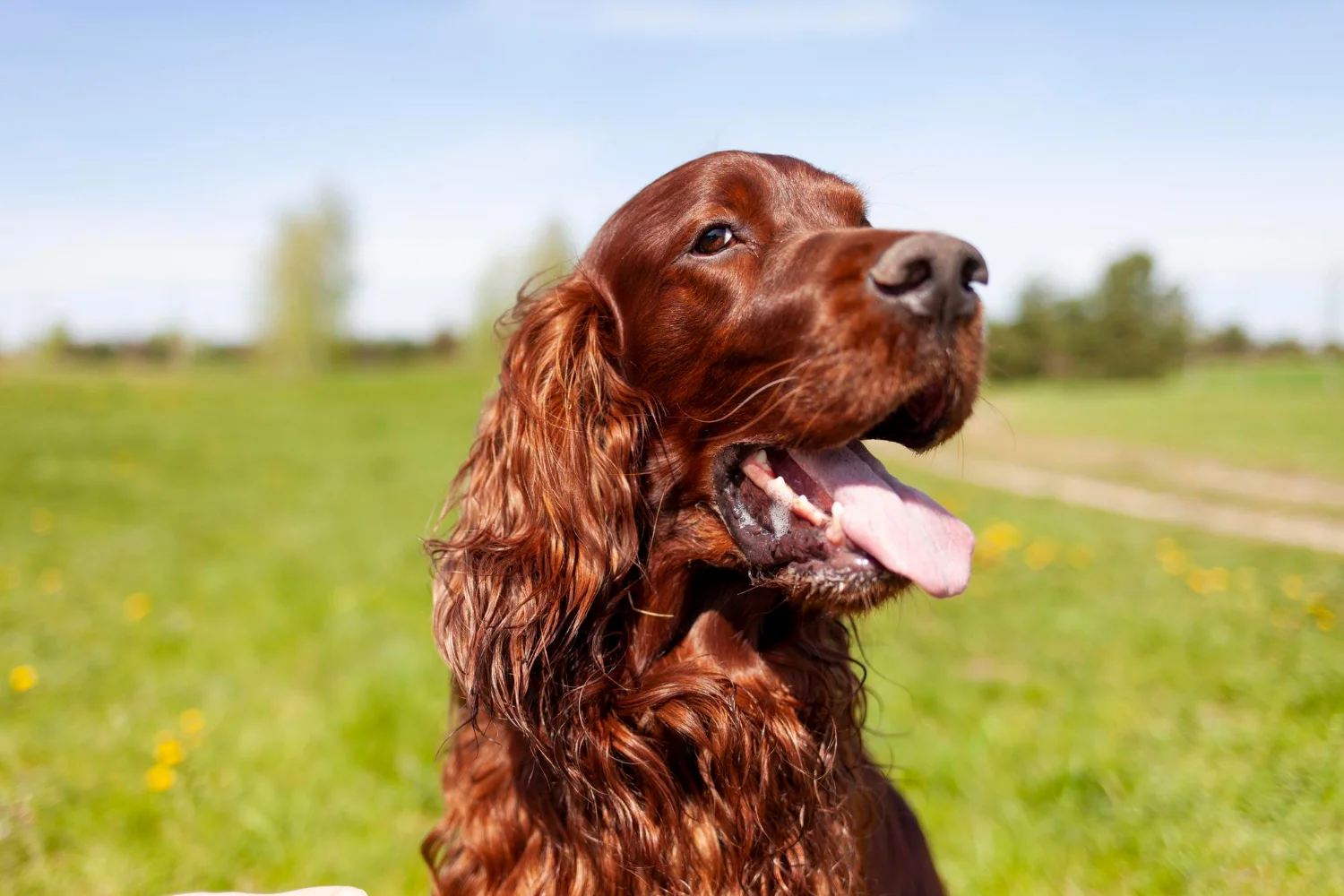
Here is a simple way to tell the difference:
Normal panting:
Abnormal panting:
Healthy dogs usually do not need to pant in the absence of exercise or excitement. If your dog is panting or breathing rapidly during rest or sleep, this is often abnormal panting.
This is what you can do if your dog is panting too much:
Step 1: Check the temperature. Is it hot? Is your dog just back from a walk? If yes, cool them down with water and shade.
Step 2: Look at their body language. Are they shaking? Pacing? Hiding? These signs mean stress or pain.
Step 3: Check for other symptoms. Coughing, limping, pale gums, or not eating? Go to the vet.
Step 4: When in doubt, call your vet. Always. You know your dog’s behavior best. If you are concerned, call your veterinarian. You may be saving your pet’s life.
You can also check our article on dog health and care products for tools that help keep your dog cool and comfortable.
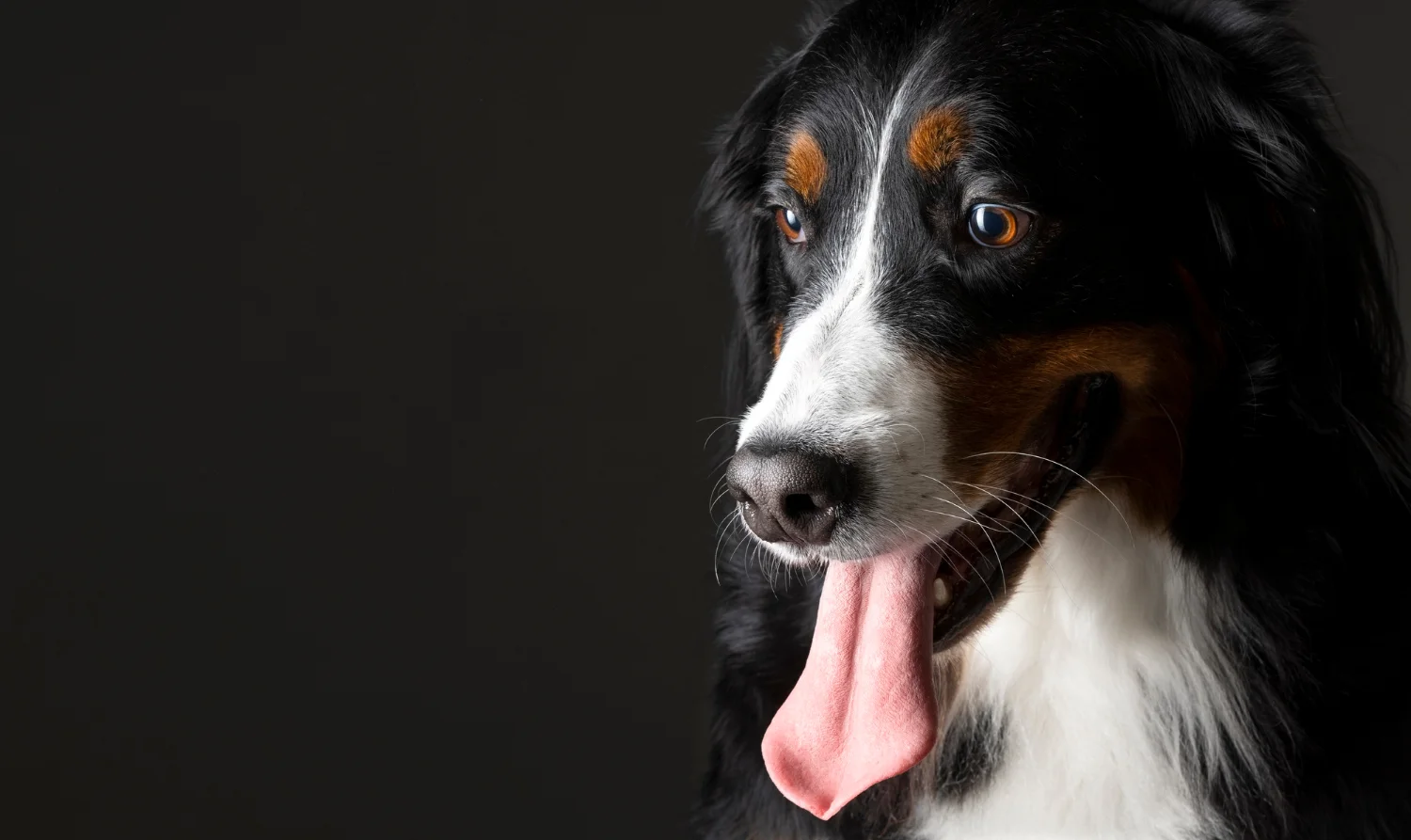
Yes, and it can be worrying. If your dog is panting at night and it is not too hot in the room, it could be down to many things. It could be anxiety. This is especially true if your dog is separated from you during the night, as they may feel stressed about being away from you. Pain, illness, or Cushing’s disease can also cause nighttime panting. If it keeps happening, see your vet for a proper check.
Every time your dog pants, they lose water. You have to keep fresh water available at all times. On hot days, offer water more often. A dehydrated dog can become very sick very fast. Want more tips on keeping your dog healthy day to day? Check out our Can Dogs Get the Flu? article. There is a lot you might not know about your dog’s health!
Now you know why dogs pant and what to watch out for. We cover all of this and much more right here at Ecopetessentials. From dog behavior tips to honest product reviews to breed spotlights, we have got you and your pet covered. Bookmark this page, save it, and share it with a fellow dog parent. And keep reading Ecopetessentials for everything you need to raise a happy, healthy pet. We put a lot of love into every article we write, because your pets deserve the best, and so do you. 🐾
➥ Why do dogs pant after eating?
After a big meal, your dog may pant due to excitement or slight discomfort. If it happens often after every meal, you should check with your vet.
➥ Is it normal for dogs to pant in the car?
Yes! Many dogs feel anxious during car rides. You can try calming treats or short practice trips to help your dog feel more comfortable over time.
➥ Why do dogs pant at night for no reason?
Nighttime panting without heat or exercise can mean pain, anxiety, or illness. If it keeps happening, your vet should check your dog out as soon as possible.
➥ Do older dogs pant more than younger dogs?
Yes, older dogs can pant more due to pain, heart issues, or hormonal conditions like Cushing’s disease. Age-related changes mean your senior dog needs closer health monitoring.
➥ Why does my dog pant and shake at the same time?
Panting with shaking often means your dog is scared, cold, in pain, or very stressed. Look for other clues and contact your vet if you are not sure what is causing it.

Castiel Smith cares deeply about animals and the planet. He loves sharing tips that help people take better care of their pets while being kind to nature. Whether it’s about eco-friendly pet products or simple ways to take care of your fur babies, Cas loves sharing Behavior & Training Tips.