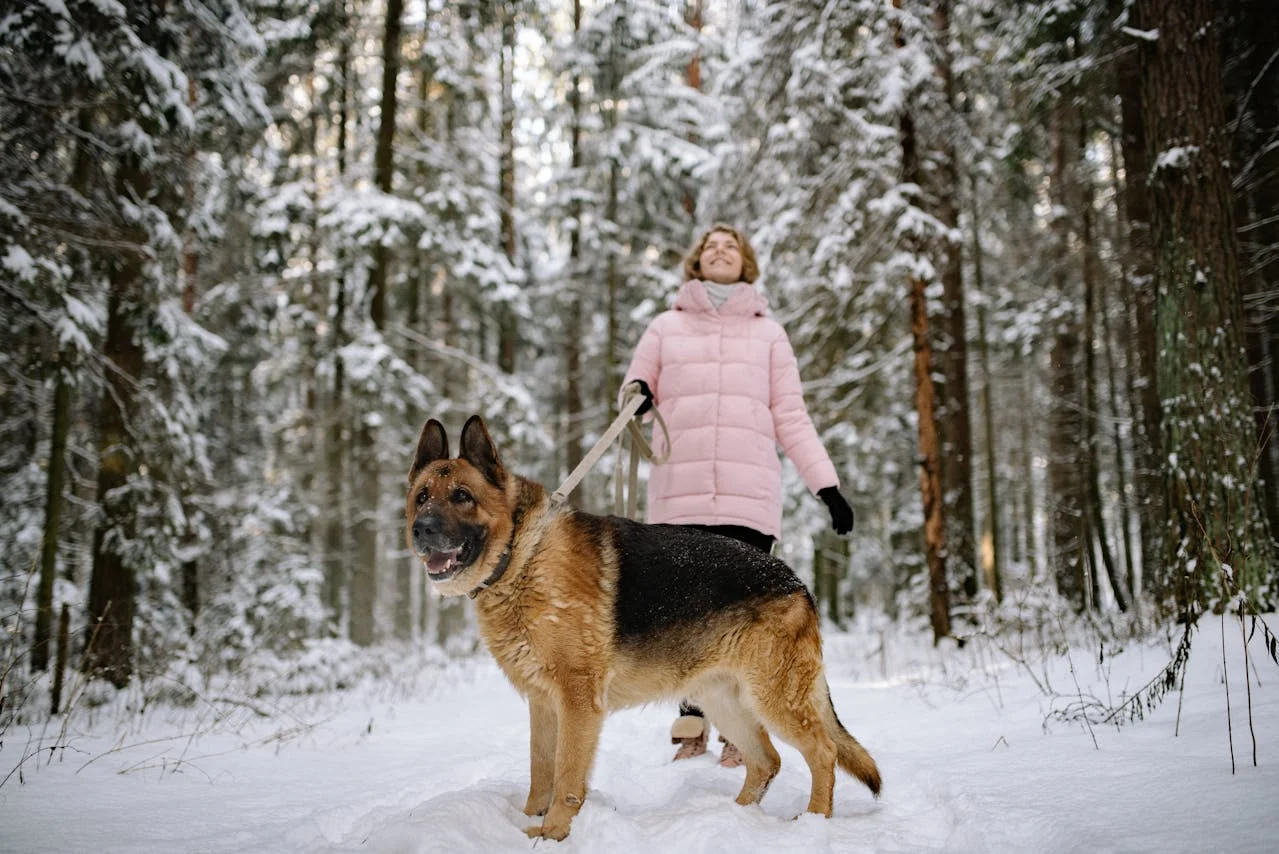
There’s nothing quite like the joy of a dog walk—the tail-wagging excitement, the fresh air filling your lungs. The precious moments of connection between you and your furry companion are always memorable. However, due to the heavy snowstorms and freezing temperatures, those beloved walks can quickly turn treacherous. This season has brought brutal winter storms across the US, making pet safety more critical than ever. At Ecopetessentials, we’re here to ensure every dog walk remains a tail-wagging adventure, not a dangerous gamble. Our experts came up with this blog that serves as a complete winter walking guide for you. It is packed with expert tips, safety must-haves, and the insider knowledge that keeps tails wagging all season long.
Your dog’s daily walk isn’t negotiable, even when it’s freezing outside. Those regular outings are important for:
But here’s the catch: long winter walks can be downright dangerous. Therefore, you can start with short, frequent walks that give your dog the outdoor time they crave without risking their health. Plus, these winter walks become your early warning system. You’ll notice the subtle signals like a lifted paw here, a shiver there. These tell you exactly when it’s time to head home.
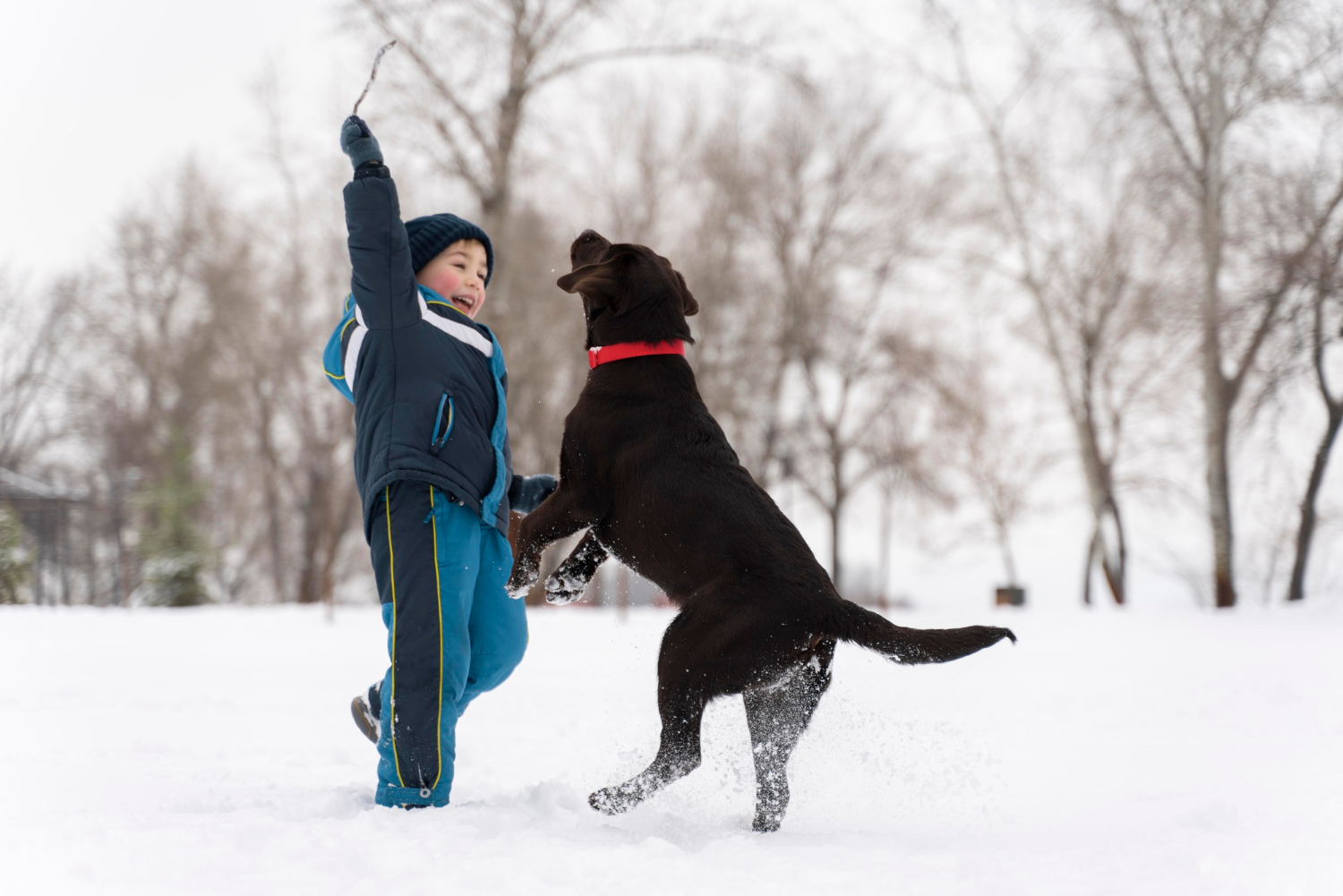
That picture-perfect snow might look Instagram-worthy, but it’s hiding some serious hazards:
Veterinarians report a spike in winter paw injuries every year. Don’t let your pup become a statistic. If you’re wondering when to walk your dog in winter? The magic window is from late morning to early afternoon, when temperatures peak and the sun warms things up. You have to avoid those brutal early mornings and freezing evenings when cold bites hardest. It is best to go for 15-20 minute walks.
You can’t just take your dog into the cold weather without proper covering. Here is a list of things you’ll need:
Yes, they look adorable. But more importantly, they’re a game-changer for paw protection. Quality booties shield against:
Resistance is common at first! Start training indoors with positive reinforcement. Or try paw wax as an alternative barrier.
Not all dogs are created equal. Short-haired breeds, puppies, seniors, and small dogs lose body heat rapidly. A water-resistant and insulated coat offers protection and looks cute too!
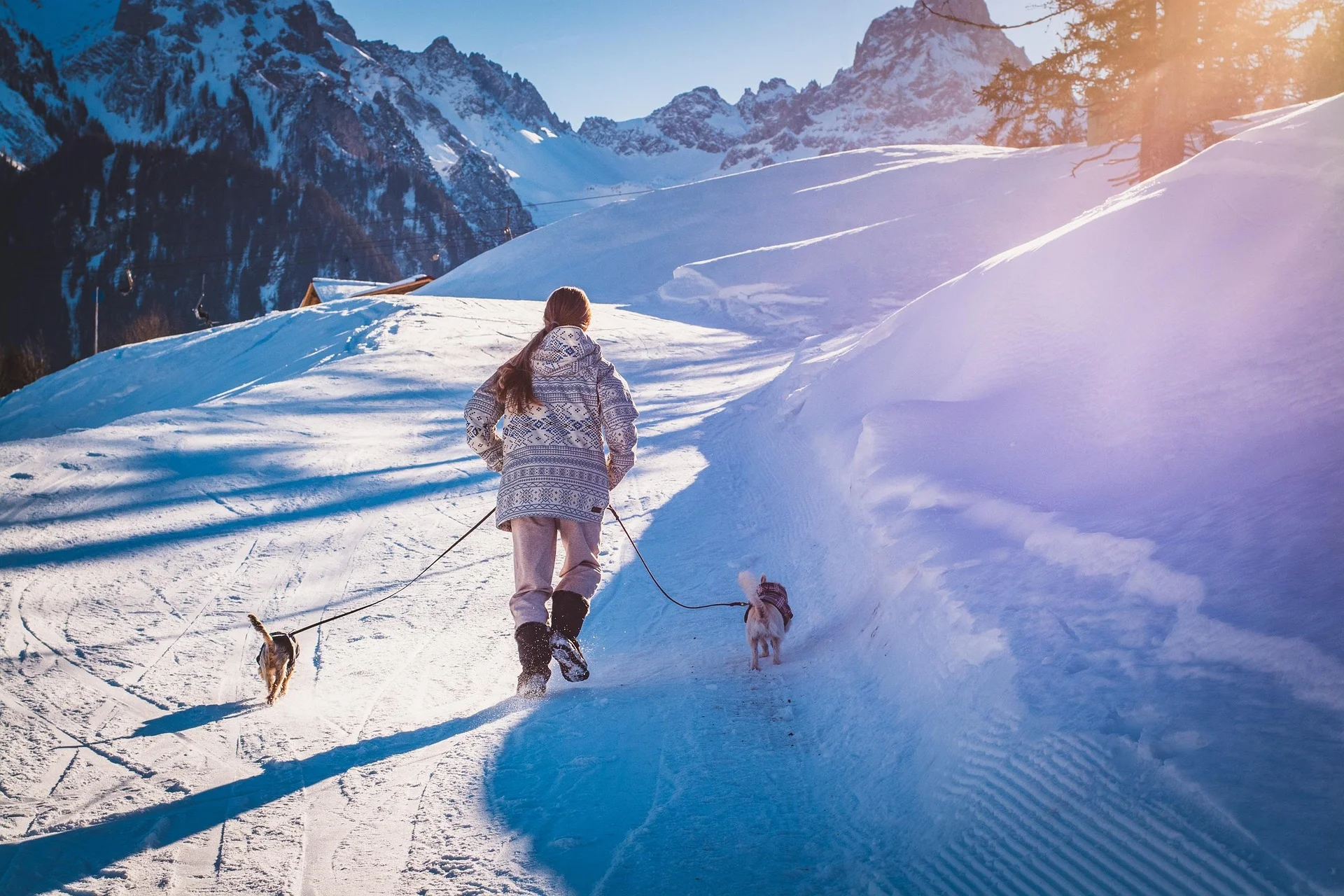
Your dog can’t tell you “I’m freezing!” in words, but their body language screams it:
When you spot these signs, the walk is OVER. Head inside immediately and warm them up gradually with blankets and room-temperature water.
Some days are simply too brutal. That’s okay! Keep your dog happy with:
Physical activity matters more than the location.
Don’t let winter steal the joy from your dog walks. With the right preparation, protective gear, and awareness, you and your pup can safely enjoy the season’s beauty together. Every dog is unique. Some huskies live for snow; some greyhounds despise it. Learn your dog’s limits, respect their signals, and adjust accordingly. Your dog’s safety and happiness drive everything we do. You can bookmark this blog, check out our other winter pet care resources, and remember: a safe dog walk is a happy dog walk, no matter what Mother Nature throws your way. Now grab those boots, bundle up, and get out there. Adventure (safely) awaits!
FAQs
➥ How cold is too cold to walk my dog?
Generally, temperatures below 20°F (-6°C) are too cold for most dogs, especially small breeds, puppies, and seniors. However, this varies by breed. Watch for signs like shivering, lifting paws, or reluctance to walk. Wind chill also matters—even 32°F can be dangerous with strong winds.
➥ How long should winter dog walks be?
Aim for 15-20 minute walks during extreme cold, rather than one long walk. You can do multiple short walks throughout the day during warmer hours (late morning to early afternoon) to give your dog adequate exercise without overexposure.
➥ Do dogs really need booties for snow walks?
Yes, especially in areas with heavy salt, ice melt chemicals, or extremely cold temperatures. Booties protect against chemical burns, frostbite, ice ball buildup between pads, and cuts from sharp ice. If your dog won’t wear them, use paw wax as an alternative.
➥ How do I train my dog to wear snow booties?
Start indoors with positive reinforcement. Let your dog sniff the booties, give treats, then put on one bootie briefly with lots of praise. Gradually increase to all four paws and duration. Practice walking indoors before heading outside. Patience is key—it may take several days.
➥ What should I do if my dog’s paws start bleeding from ice or salt?
Rinse the paws immediately with lukewarm (not hot) water to remove chemicals and debris. Pat dry gently and check for cuts. Apply pet-safe paw balm. If bleeding continues or cuts are deep, contact your veterinarian. Prevent future issues by using booties or paw wax.

Castiel Smith cares deeply about animals and the planet. He loves sharing tips that help people take better care of their pets while being kind to nature. Whether it’s about eco-friendly pet products or simple ways to take care of your fur babies, Cas loves sharing Behavior & Training Tips.