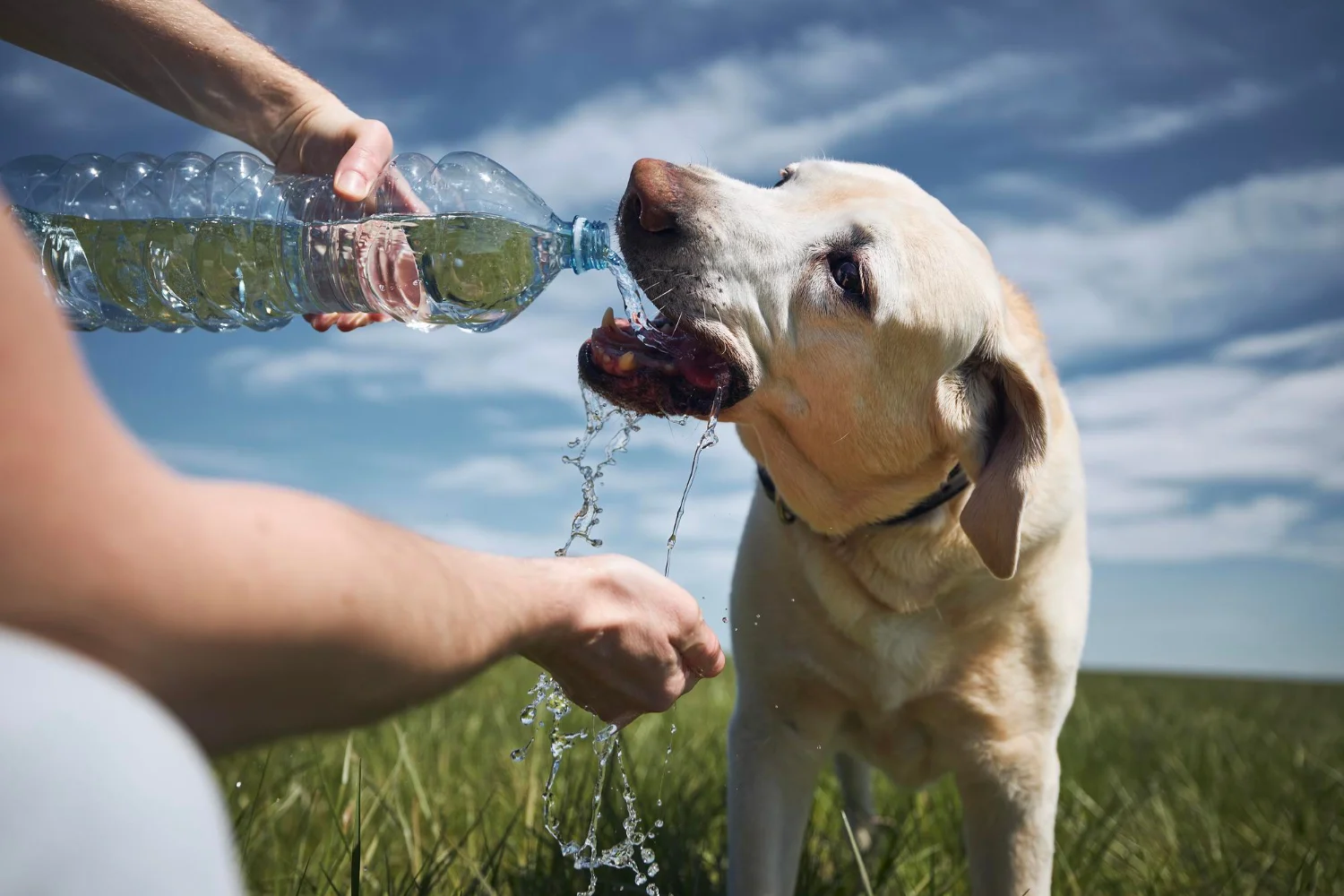
Have you noticed your dog at the water bowl again and again? You may be asking yourself, why is my dog drinking so much water? It is a fair worry. Sometimes the reason is simple. Other times, it is a sign your dog needs help. We are here to walk you through everything you need to know.
Before we worry, let us look at what is normal. Dogs should drink roughly 1 ounce of water per pound of body weight each day. So a 40-pound dog needs about 40 ounces, that is around 5 cups, every day.
A few things can change how much your dog drinks:
If your dog drinks a little more on a hot day or after a long walk, that is normal. But if it happens every single day without a clear reason, keep reading.
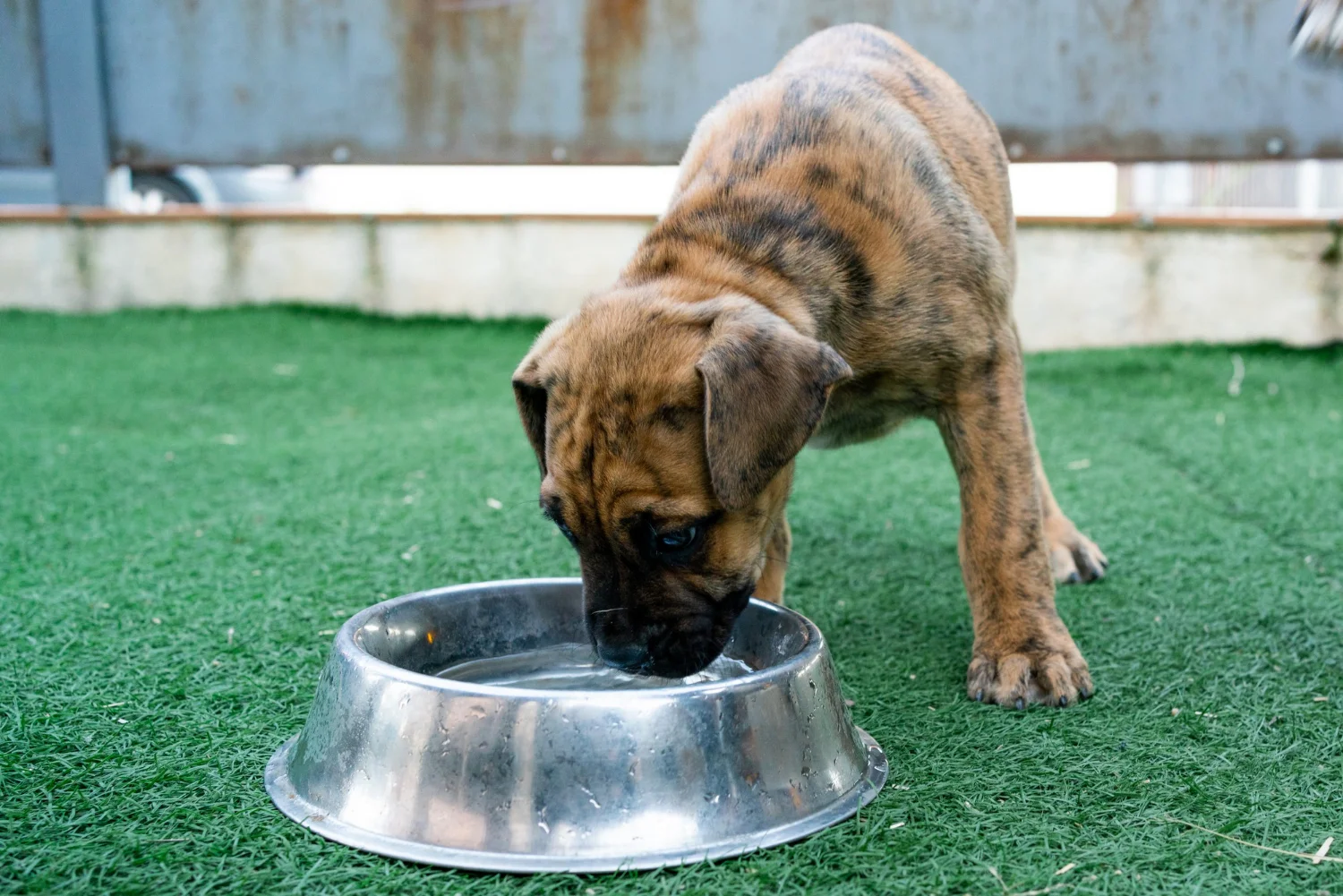
So when does “a bit more” become “too much”? Excessive thirst and urination can indicate serious and potentially life-threatening kidney disease. Vets call excessive thirst polydipsia. If your dog is drinking more than 1.5 ounces of water per pound of body weight each day, that is a red flag. You should also watch how often your dog goes to the bathroom. More water in usually means more water out. A simple way to check: fill the bowl with a measured amount of water each morning. If your dog drinks the whole thing and more, call your vet.
Your dog could be thirsty for many reasons. Some are simple. Others need a vet visit fast. We have listed the 9 most common ones below so you know exactly what to look for.
This is one of the most common reasons in older dogs. One of the earliest clinical signs of kidney failure is increased water consumption and urination. The body increases blood flow to the kidneys since less toxins are removed each time, which results in more urine production. To keep the dog from becoming dehydrated, thirst and water consumption is increased. In other words, the kidneys are working harder to do a worse job. So your dog drinks more to keep up.
Diabetes is a disease where the pancreas does not produce enough insulin. This causes a rise in blood sugar levels. The body tries to eliminate excessive sugar through the urine, and the glucose draws water with it. Increased thirst and urination are the first clinical signs of diabetes noted by dog owners. If your dog is also losing weight or seems weak, this could be the reason.
Dogs who have Cushing’s disease tend to drink more water and urinate more frequently. Cushing’s disease occurs when the adrenal glands produce too much of a steroid hormone known as cortisol. You have to watch for a pot-belly look, hair loss, or skin changes too.
This one sounds odd. Why wouldn’t a dehydrated dog drink more water? Because the body is trying to fix the problem. Heat, exercise, and illness can all cause dehydration and lead to water-seeking behavior. Signs associated with dehydration can include lethargy, tacky gums, ropy saliva, bright red gums, excessive panting, and skin tenting.
Elevated body temperature can cause increased thirst in dogs, whether from infection, inflammation, pain, immune-mediated disease, or heat stroke. If your dog is panting excessively or seems very lethargic, take them to a veterinarian as soon as possible.
Did you give your dog extra salty snacks lately? Salt pulls water into the body. This makes your dog thirsty fast. Try switching to low-sodium treats and see if the drinking slows down.
Some medicines list increased thirst as a side effect. Steroids like prednisone are a well-known example. If your dog just started a new medicine, check with your vet.
A UTI can make your dog feel the need to drink and pee more than usual. You might also notice straining to urinate or cloudy urine. This is very treatable when caught early.
While not common in dogs, psychogenic polydipsia is a behavioral condition where excess thirst will physically manifest itself. This is basically anxiety-driven drinking. It is rare, but real.
This is one of the most common questions we get. Your dog seems fine, happy, eating well, running around, but keeps draining the water bowl. You should consult your veterinarian if your dog persistently drinks a lot more water than usual for several days. This is especially important if they are drinking more water without an obvious cause, even if they are otherwise acting normal. Some conditions, like early kidney disease or early diabetes, do not show big symptoms right away. Your dog can feel okay for a while before things get worse. Do not wait until your dog seems sick. A simple blood test can catch problems early.
Kidney failure in dogs is serious. Here are the signs you need to watch for:
Early signs:
Later signs: The clinical signs of more advanced kidney failure include loss of appetite, lethargy, vomiting, diarrhea, and very bad breath. Occasionally, ulcers will be found in the mouth. Dogs with very bad breath (ammonia-like odor), pale gums, or blood in urine need quick veterinary attention.
If your vet suspects kidney failure, they will likely run blood and urine tests. They will look at:
According to the International Renal Interest Society (IRIS), stages of chronic renal disease are numbered 1 through 4, with four being the most severe. Median survival time for dogs in Stage 1 is more than 400 days, while Stage 2 ranged from 200 to 400 days and Stage 3 ranged from 110 to 200 days. The earlier you catch it, the better the outcome. This is not meant to scare you, it is meant to push you to act fast.
This is a hard question, and we want to answer it with care. In the late stages of kidney failure or other serious illness, some dogs do drink a lot. Others stop drinking entirely. Both can happen. Dogs with kidney disease need to have access to water at all times and be encouraged to drink water. If your dog is very ill and drinking excessively, that is a sign their body is working very hard. Please speak with your vet about comfort care and what to expect. You do not have to go through this alone.
So your dog is drinking more water, and now you notice something else. The urine looks pink, red, orange, or brown. That is blood. And yes, it is scary to see. Blood in dog urine is called hematuria. It is more common than most people think. And while it is always a reason to call your vet, it does not always mean the worst. Many causes are treatable when caught in time. Here is a list of the most common reasons a dog is peeing blood:
The color does not always tell you how serious things are. Blood in your dog’s urine may give it an unusual color such as brown, pink, orange, or red. Even a small amount of blood can change the color noticeably. And here is the scary part, sometimes you cannot see it at all. Blood can be invisible to the naked eye. Your vet will spin the urine in a tube and look at it under a microscope to check for red blood cells.
It depends. Here is a simple way to think about it:
Go to the vet same day or call immediately if your dog:
Schedule a vet visit within 24 hours if your dog:
Remember: if at any time it seems like your dog is trying to pee but cannot, it is a medical emergency. A blocked urinary tract can become life-threatening within hours. Do not try to treat this at home. Do not give human medications or leftover antibiotics. There are many causes of bloody urine that are not bladder infections, and human dosages can be dangerous for your dog.
Your vet will likely run a urinalysis first. They will check for bacteria, red blood cells, crystals, and other markers. They may also recommend:
Try to bring a urine sample with you. Collect a small amount in a clean container while wearing gloves. Store it in the fridge and deliver it within 12 hours. This helps your vet get answers faster.
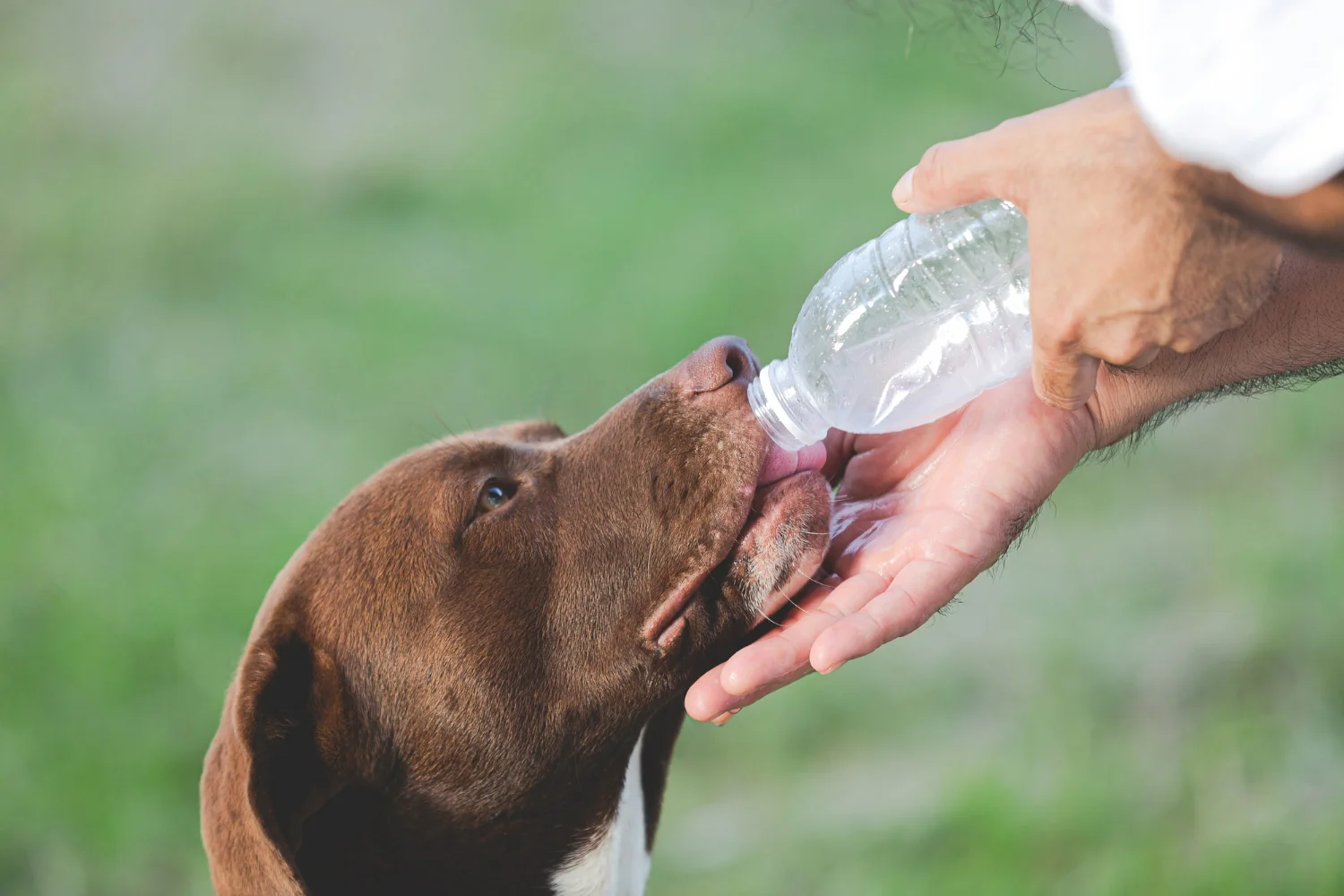
Treatment depends on the cause. Your vet may prescribe antibiotics for a UTI, a prescription diet for crystals or stones, anti-inflammatory medication for swelling, surgery for bladder stones or tumors, or neutering for prostate issues in male dogs. The sooner you act, the simpler the treatment usually is. Waiting too long allows the underlying problem to get worse and harder to treat. We also recommend reading our post on why dogs pant, it often goes hand in hand with dehydration signs. And if your dog has been showing odd behavior, our behavior and training tips section has helpful info too. For trusted external guidance, the American Kennel Club and PetMD are great resources to bookmark.
Now you know why is my dog drinking so much water is not a question to ignore. It can be as simple as a salty snack or as serious as kidney failure. The key is to pay attention, track the change, and call your vet when something feels off. We want you and your dog to have the best life together. That is why we work hard to bring you real, honest, easy-to-read information right here at Ecopetessentials. Bookmark this page. Save it to your phone. Come back whenever something feels off with your pup. We cover everything from pet health to product reviews to training tips, and we keep adding new content every week. Your dog depends on you. And we are here to help you every step of the way.
➥ Why is my dog drinking so much water all of a sudden?
Sudden excess thirst can mean kidney disease, diabetes, Cushing’s disease, a fever, or toxin exposure. If it lasts more than two days, you should call your vet right away.
➥ How much water do dogs drink in a day normally?
Most healthy dogs need about 1 ounce of water per pound of body weight each day. A 50-pound dog needs around 50 ounces, which is about 6 cups.
➥ What are the first signs of kidney failure in dogs?
The first signs are usually drinking more water and urinating more than usual. You may also notice pale, diluted urine and mild appetite loss in your dog.
➥ Should I be concerned if my dog is drinking a lot of water?
Yes, if it lasts more than two days and there is no clear reason like heat or exercise. Even if your dog seems fine, you should visit your vet soon for tests.
➥ What is considered excessive drinking for dogs?
If your dog drinks more than 1.5 ounces of water per pound of body weight daily, that is considered excessive. Your vet can confirm this with a proper checkup.
➥ Why is my dog drinking so much water but acting normal?
Early kidney disease, diabetes, and Cushing’s disease can cause excess thirst before other symptoms show. A normal-acting dog can still have a hidden health issue.
➥ What are the signs of kidney failure in dogs I should watch for?
Watch for increased thirst, more urination, vomiting, bad breath with ammonia smell, weight loss, and lethargy. These are key signs your dog needs vet attention fast.

Isla Bennett loves Misty, her two-year-old British Shorthair. And she wants to help other pet parents make sustainable choices that are good for their pets and the planet. She writes about easy ways to care for animals using green products. Isla believes that happy pets and a healthy earth go hand in hand. Her goal is to make pet care simple, fun, and eco-friendly. She also gives you insights about different pet Breeds and traits!