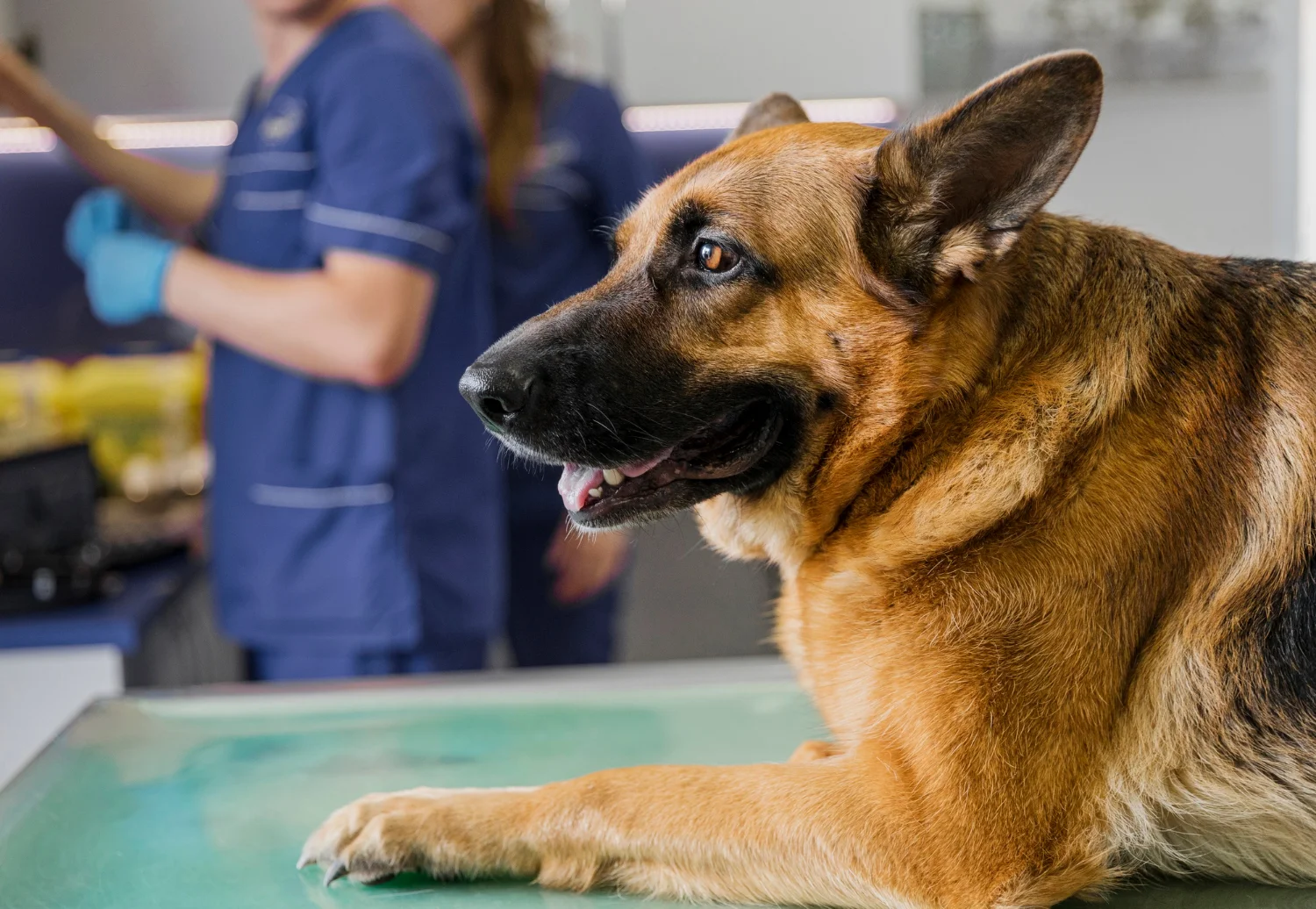

Is your dog scratching like crazy? Maybe their skin is red, their eyes are watery, or they just can’t stop rubbing their face on the carpet. Seasonal allergies, food sensitivities, and environmental triggers can all make your dog miserable. As a pet parent, watching your dog itch non-stop is hard. You want fast relief, and you want it to be safe. That’s why so many dog owners ask, “Can I give my dog Zyrtec?” The good news is that the right Zyrtec dosage for dogs can bring real relief. But there are important things you need to know before giving it. We cover all of it right here, so you can make the best call for your pup.
Zyrtec is the brand name for a drug called cetirizine. It is an antihistamine. It works by blocking histamine in the body. Histamine causes swelling, itching, and redness. Zyrtec is a second-generation antihistamine. It doesn’t cross the blood-brain barrier as easily as older drugs. This means it gives allergy relief without heavy sedation. Vets use it to treat and prevent itching in dogs with atopic dermatitis, hives, and insect bite reactions. It may also help with respiratory allergy symptoms. It won’t cure your dog’s allergies. But it can make them much more comfortable.
Yes, dogs can take Zyrtec. But there are rules. The FDA has not approved cetirizine for animals. But vets commonly and legally prescribe it as an extra-label drug. Many vets believe cetirizine is one of the most effective antihistamines we can prescribe for dogs. It is often favored over Benadryl for chronic allergies. Always check with your vet before giving your dog Zyrtec. Your dog’s weight and health history matter a lot.
Here is the general Zyrtec for dogs dosage chart most vets follow. This is for plain cetirizine only.
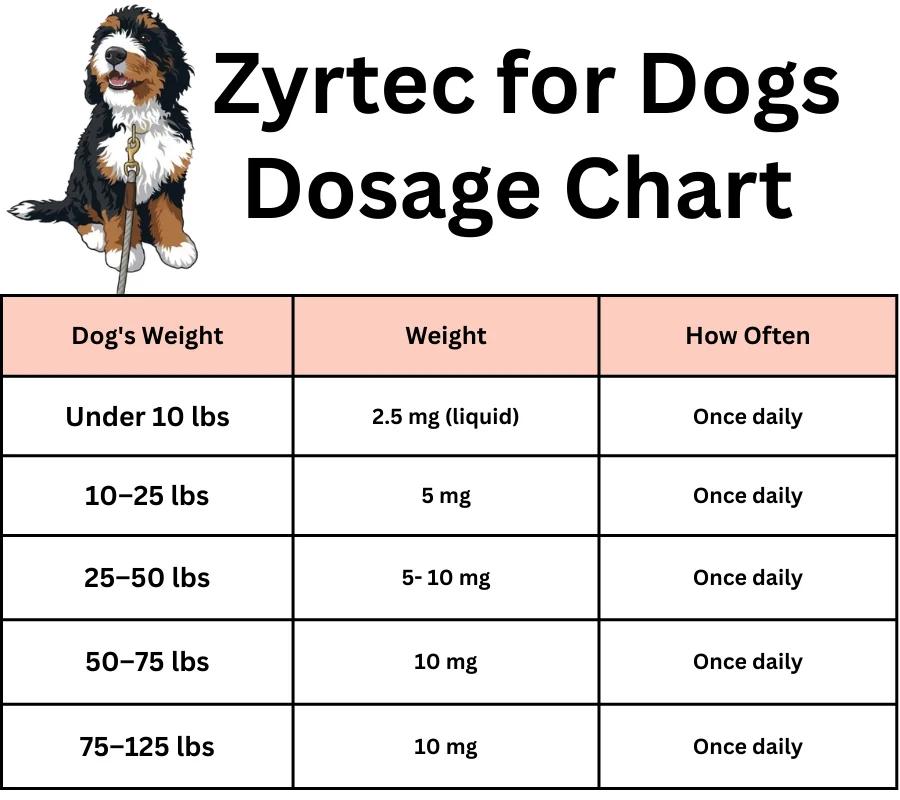
The typical Zyrtec dose for dogs is 0.5 mg per pound of body weight, given once or twice daily. Cetirizine is often given once every 24 hours for dogs with atopic dermatitis, and once every 12 hours for dogs with general allergy symptoms. It comes in 5 mg and 10 mg tablets. For tiny dogs under 10 lbs, liquid children’s Zyrtec (1 mg/ml) can be easier to dose. Use a syringe to measure it out properly.
Yes, plain Zyrtec is generally safe for dogs. But Zyrtec-D is not. This is very important.
There is a formulation of cetirizine called Zyrtec-D that combines cetirizine with pseudoephedrine, a decongestant. This product is not appropriate for animal use as pseudoephedrine has toxicity potential.
Also watch out for these:
You should always read the label. Only buy plain, unflavored cetirizine tablets.
Some dogs should not take Zyrtec at all. Dogs with kidney or liver disease should not take Zyrtec. These are the organs most active in metabolizing and excreting medications. If they are not working properly, drugs could build up dangerously.
Also avoid giving Zyrtec to:
Dogs who are allergic to antihistamines, especially those with cetirizine or hydroxyzine in them, should never take Zyrtec. This may cause a life-threatening reaction called anaphylactic shock. If you’re not sure, your vet is your best resource. Check out our post on why your dog might be drinking so much water, allergies and medications can sometimes affect this too.
This is one of the most common questions we get. Here’s a simple answer. Zyrtec is widely considered safer and more effective than Benadryl, with fewer sedative side effects and a longer relief duration. Unlike Benadryl, which often needs to be given three times a day, Zyrtec stays in the system longer. That said, Benadryl still has a place. It works faster for acute reactions like bee stings. Zyrtec is better for daily or long-term use. For severe, ongoing itching, neither may be strong enough. Talk to your vet about other options like Apoquel or Cytopoint.
Side effects are rare. Most dogs handle Zyrtec very well. But watch for:
Zyrtec is one of the few antihistamines that do not cause drowsiness for most dogs. If it makes your dog sleepy, try giving it before bedtime. If your dog vomits after taking Zyrtec, give it with food next time. However, if symptoms get worse or don’t improve, stop and call your vet.
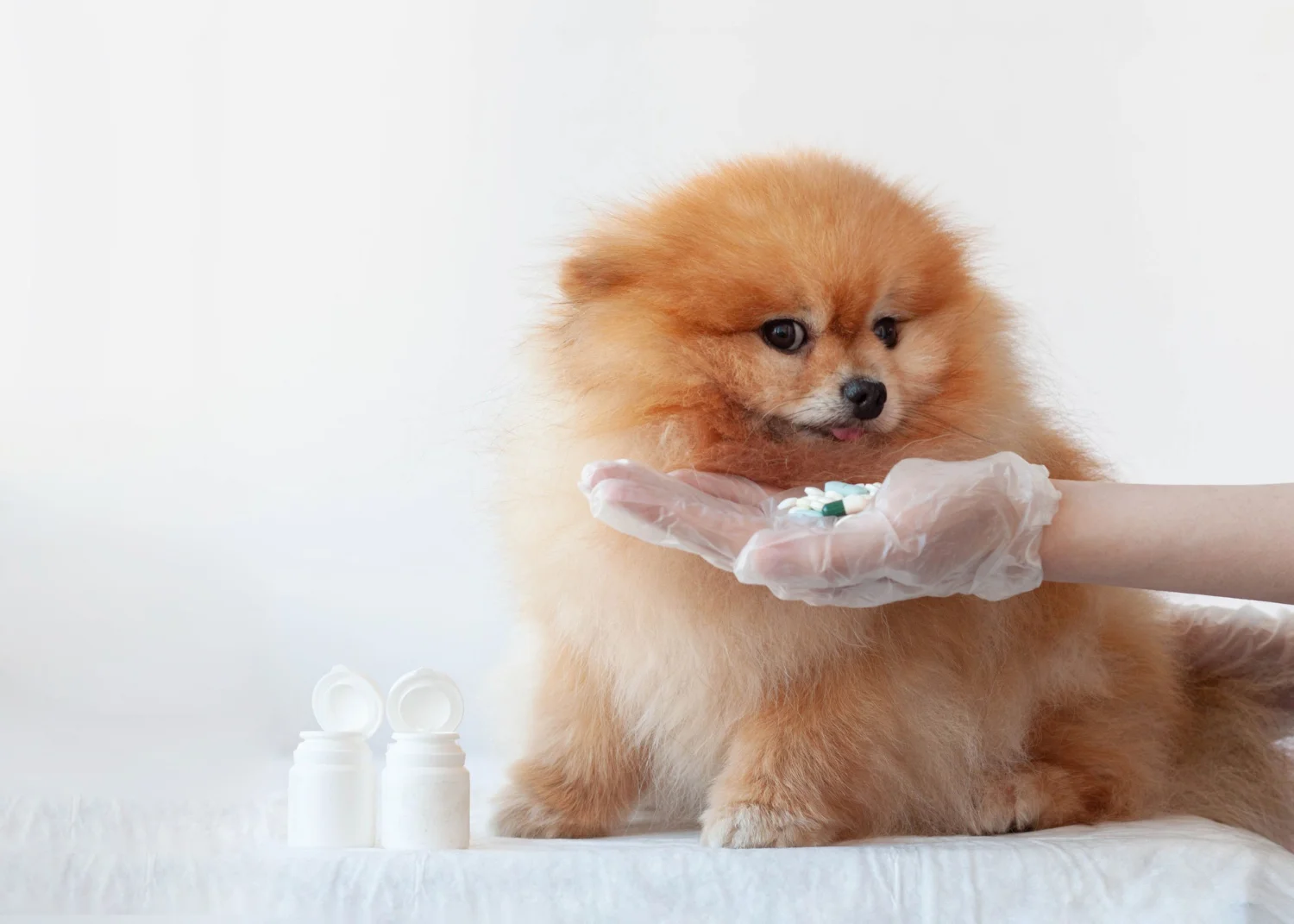
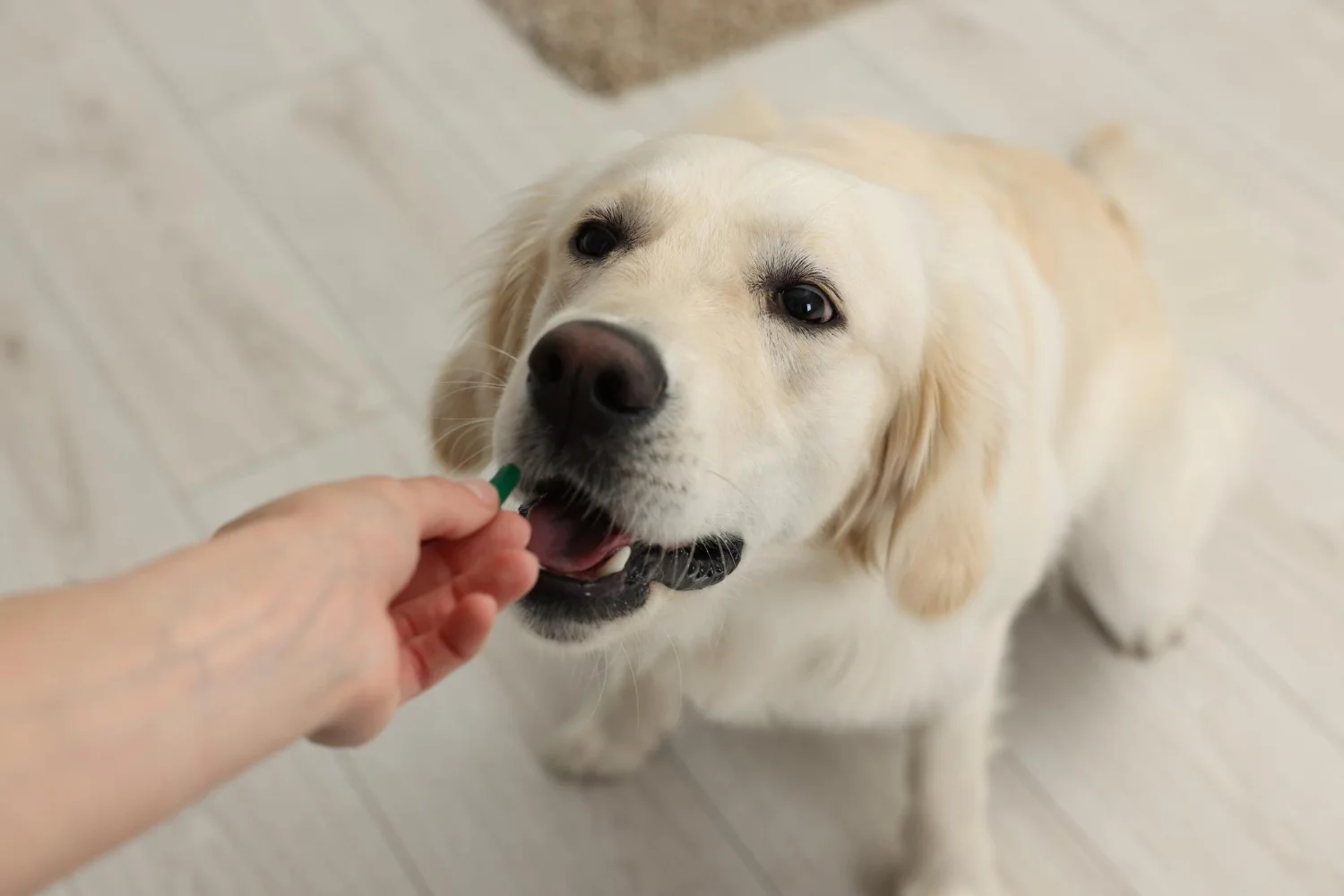
Giving Zyrtec to your dog is simple. Here’s what we suggest:
If you are giving cetirizine once a day and you miss a dose, give it as soon as you remember, then continue with the regular dosing schedule. You should never Do not give two doses at once.
Also, note that Zyrtec can affect allergy skin testing. This medication will interfere with allergic skin testing. Check with your veterinary dermatologist regarding how far in advance this medication should be withheld. Want to learn more about keeping your dog healthy day-to-day? We also cover things like why dogs pant and common dog illnesses.
For more trusted information on antihistamines for dogs, the VCA Animal Hospitals cetirizine guide is a great read. You can also check PetMD’s antihistamine overview for another trusted source.
Your dog deserves the best care. We are here to make that easier for you. At Ecopetessentials, we cover everything from medications and health tips to breeds and training. Save this page. Bookmark our site. Keep coming back, because we update our posts with the latest, most trusted pet care info. Your pet needs you informed, and we are right here to help with that every step of the way.
➥ How much Zyrtec can I give my dog?
You should give your dog about 0.5 mg per pound of body weight once or twice daily. Always confirm the dose with your vet.
➥ What do vets say about Zyrtec for dogs?
Most vets consider it safe for mild allergies. Many believe cetirizine is one of the most effective antihistamines available for dogs. They recommend plain cetirizine only.
➥ Is Zyrtec or Benadryl better for dogs?
Zyrtec is generally better for ongoing use. It has fewer sedative side effects and stays in the system longer than Benadryl, which often needs to be given three times a day.
➥ Can you use human Zyrtec on dogs?
Yes, you can use plain human Zyrtec on dogs. Just make sure it does not contain xylitol, pseudoephedrine, or added flavoring. Your vet should approve it first.
➥ Which Zyrtec is not safe for dogs?
Zyrtec-D is not safe. It combines cetirizine with pseudoephedrine, a decongestant that is toxic to dogs. Never give your dog this version.

Isla Bennett loves Misty, her two-year-old British Shorthair. And she wants to help other pet parents make sustainable choices that are good for their pets and the planet. She writes about easy ways to care for animals using green products. Isla believes that happy pets and a healthy earth go hand in hand. Her goal is to make pet care simple, fun, and eco-friendly. She also gives you insights about different pet Breeds and traits!