Have you noticed your cat drooling and wondered what’s happening? Cats tend to drool from time to time, but what happens when they’re drooling all the time? We understand how concerning this can be. While some drooling is normal, excessive drooling often signals health issues. In this blog, we share 10 reasons why your cat might be drooling. You’ll learn when to worry and what steps to take next.
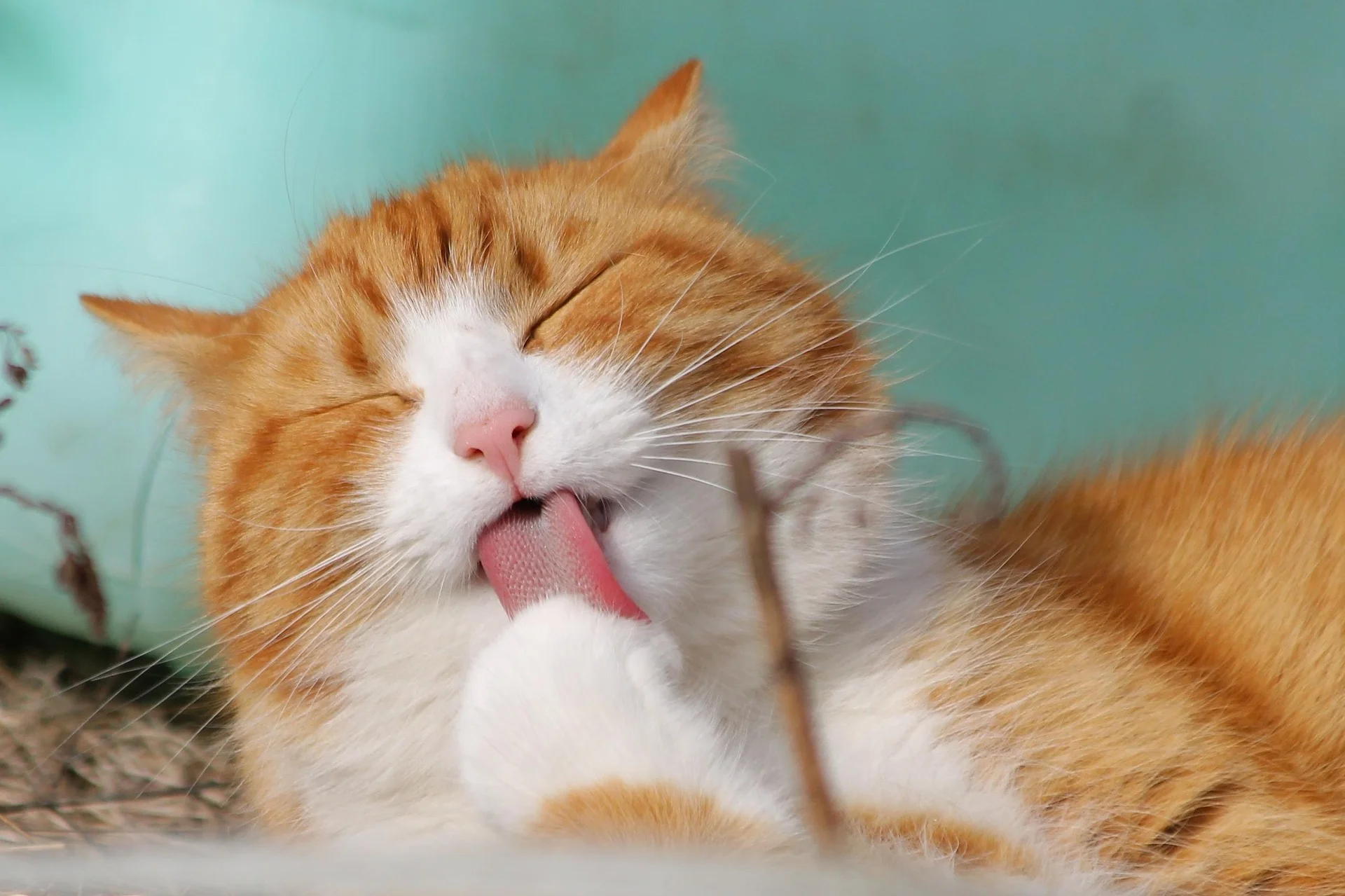
Yes, some drooling is perfectly normal. Cats may drool when they’re relaxed, happy, or purring. If your cat drools a little while you pet them, that’s usually fine. However, sudden or heavy drooling needs attention. We help you spot the difference between normal and serious drooling.
Drooling can be perfectly normal sometimes, but persistent or excessive drooling often signals a problem. Let’s look at the 10 most common causes so you can spot issues early and keep your cat healthy.
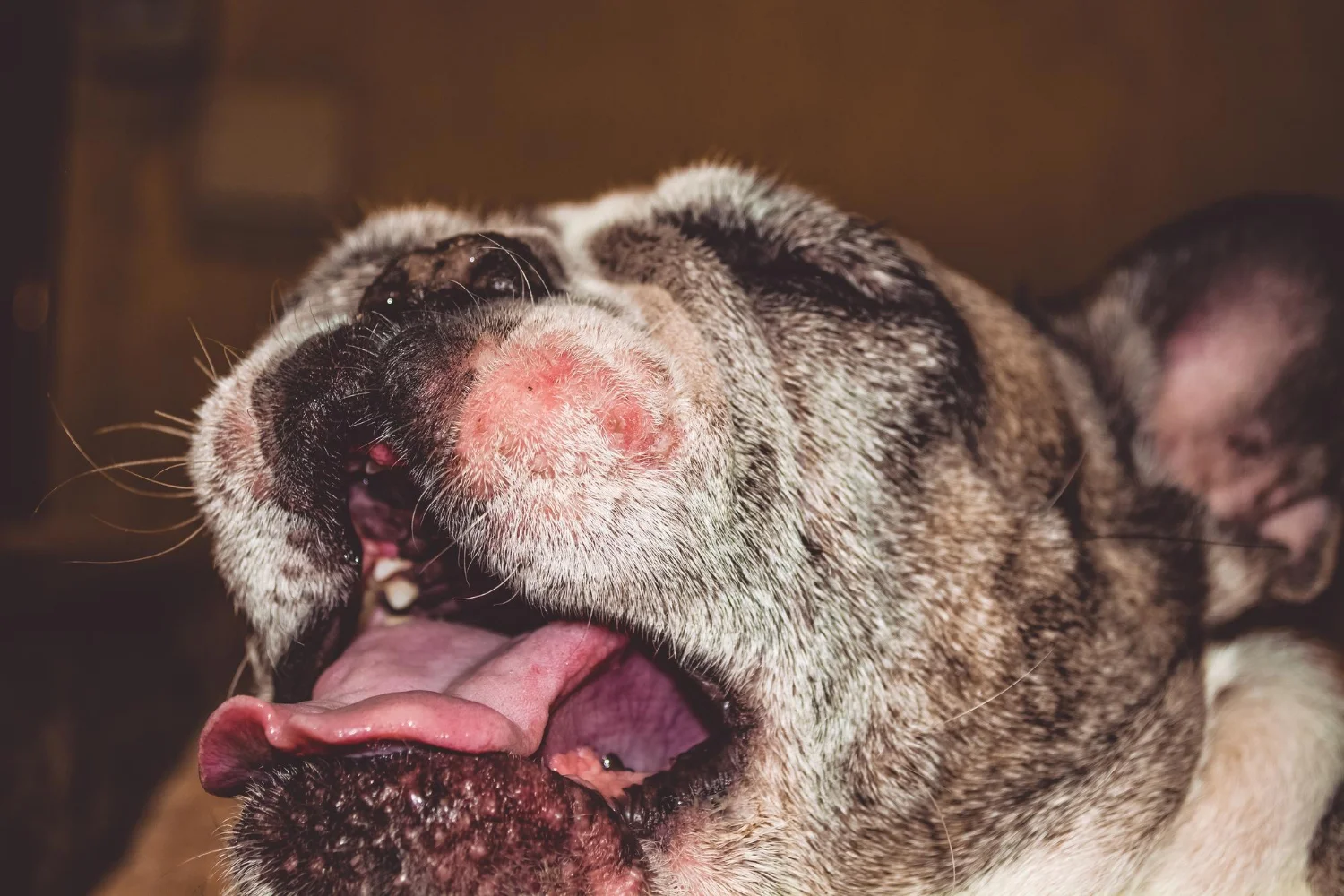
Dental problems are the top cause of cat drooling. Gum disease, tooth decay, and infections cause pain. Your cat may drool to ease discomfort. You have to check for bad breath, red gums, or trouble eating. We recommend regular dental checkups at your vet. If your cat is losing teeth, that is concerning too.
➺ Product Solution: You can try dental treats from Chewy to support oral health.
Cats explore with their mouths. String, bones, or plant pieces can get stuck. This causes excessive drooling and pawing at the mouth. Check your cat’s mouth carefully. If you see something stuck, visit your vet immediately.
Cats can drool after eating toxic plants or chemicals. Lilies, cleaning products, and certain foods are dangerous. Other symptoms include vomiting, seizures, and lethargy. Contact your vet or pet poison control right away if you suspect poisoning.
➺ Learn more: You can check our guide on toxic foods for cats.
Upset stomachs make cats drool. Motion sickness, eating too fast, or digestive problems cause this. Your cat may also vomit or refuse food. We suggest monitoring their eating habits closely.
Upper respiratory infections cause drooling in cats. Symptoms include sneezing, coughing, and nasal discharge. These infections need veterinary treatment. Your vet may prescribe antibiotics or supportive care.
Tumors in the mouth can cause drooling. You might notice lumps, bleeding, or difficulty eating. Older cats face higher risks. Early detection improves treatment outcomes. Schedule regular vet checkups for your senior cat.
Cats drool when overheated. Heavy panting, weakness, and rapid breathing are warning signs. Move your cat to a cool area immediately and offer them water and contact your vet. Never leave cats in hot cars, and you can check their ears if they are hot as well. They can give you clues as well about your cat’s health.
Organ disease causes drooling and other symptoms. Bad breath, weight loss, and increased thirst are common. Blood tests can diagnose these conditions. Early treatment helps manage these serious health issues.
Stressed cats sometimes drool. Car rides, vet visits, or loud noises trigger anxiety. You might notice hiding, trembling, or excessive grooming too. Creating a calm environment helps reduce stress.
➺ Product Solution: It is best to use calming pheromone diffusers to ease anxiety.
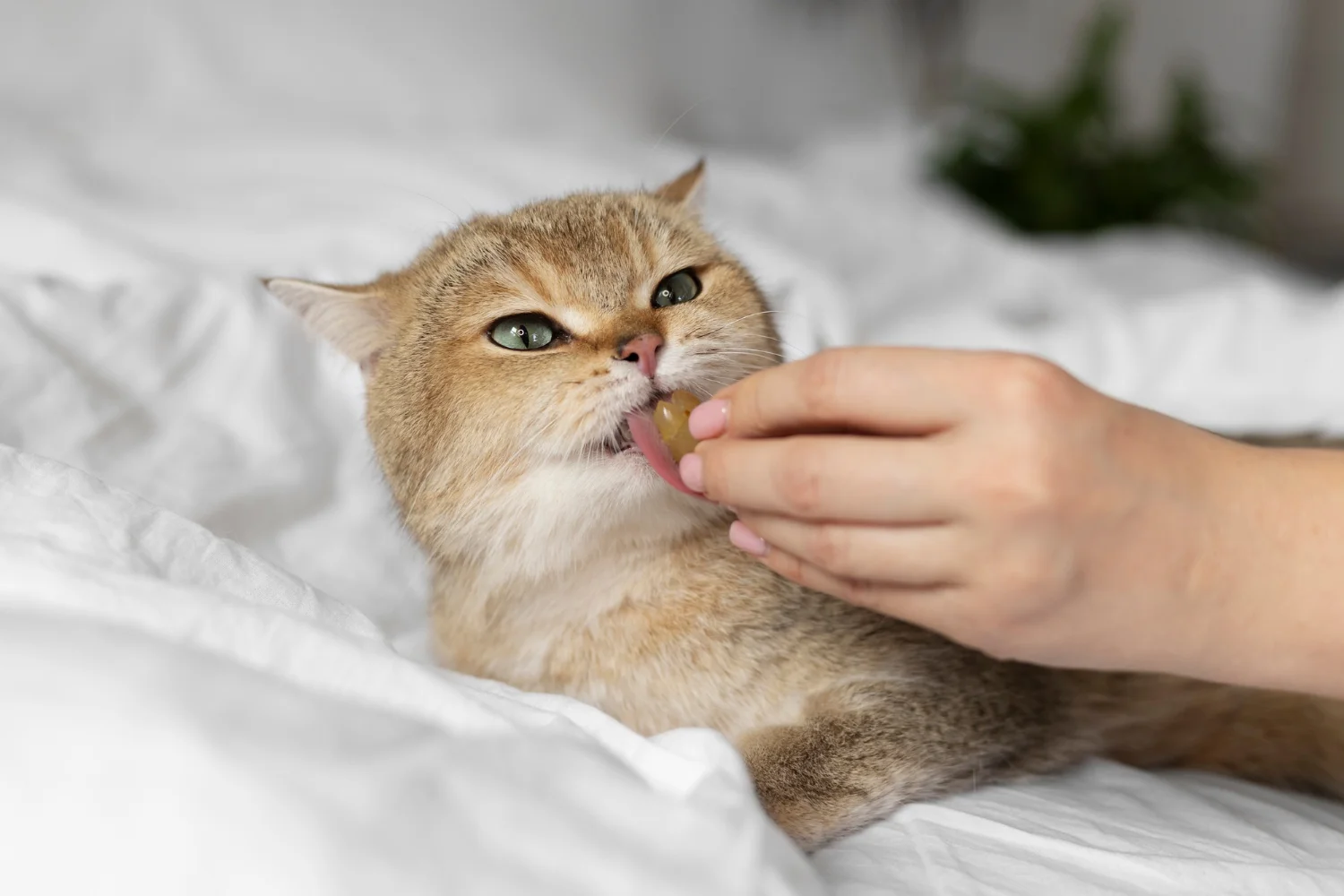
Some medications cause drooling as a side effect. Bitter-tasting pills often trigger this reaction. Talk to your vet about alternative formulations. Never stop medication without professional guidance.
Contact your vet if drooling lasts more than a few hours. Seek immediate care if your cat shows:
We always recommend acting quickly when something seems wrong.
First, examine your cat’s mouth for obvious problems. You have to remove any visible foreign objects if safe. Moreover, it is important to keep toxic substances away from your cat. Document when drooling started and other symptoms. It is a good idea to take photos or videos to show your vet. For normal drooling during happy moments, just enjoy the bonding time. For concerns about drooling, schedule a vet appointment promptly.
➺ External Resource: The ASPCA Poison Control offers 24/7 emergency help.
We recommend these products based on common causes:
You can visit our product review section for detailed comparisons.
Now that you have the answer to why your cat is drooling, you can spot problems early and act fast. Most drooling has simple explanations, but some cases need urgent care. We’ve given you the knowledge to identify problems early. Your quick action can save your cat’s life. Remember to bookmark Ecopetessentials for more pet care advice. We publish new articles weekly about cat behavior, health tips, and product reviews. Keep reading our blog to become the best cat owner possible. Your cat deserves excellent care, and we’re here to help you provide it.
➥ Is cat drooling always a medical emergency?
No, not always. Cats drool when happy or relaxed sometimes. However, sudden heavy drooling needs your vet’s attention. Watch for other symptoms like lethargy or appetite loss.
➥ Can stress cause my cat to drool excessively?
Yes, anxiety triggers drooling in some cats. Stressful situations like travel or vet visits cause this. You can use calming products to help your anxious cat feel better.
➥ What dental problems cause cat drooling?
Gum disease, tooth decay, and oral infections cause drooling. Bad breath and difficulty eating are warning signs. We recommend annual dental checkups to prevent these issues in your cat.
➥ How do I check my cat’s mouth safely?
Gently lift your cat’s lip while they’re calm. Look for redness, swelling, or objects. If your cat resists or seems painful, stop immediately and call your vet instead.
➥ Can certain foods make my cat drool?
Yes, toxic foods like onions or chocolate cause drooling. Spoiled food also triggers this reaction. Always feed your cat high-quality, species-appropriate food from trusted sources you know.

Isla Bennett loves Misty, her two-year-old British Shorthair. And she wants to help other pet parents make sustainable choices that are good for their pets and the planet. She writes about easy ways to care for animals using green products. Isla believes that happy pets and a healthy earth go hand in hand. Her goal is to make pet care simple, fun, and eco-friendly. She also gives you insights about different pet Breeds and traits!