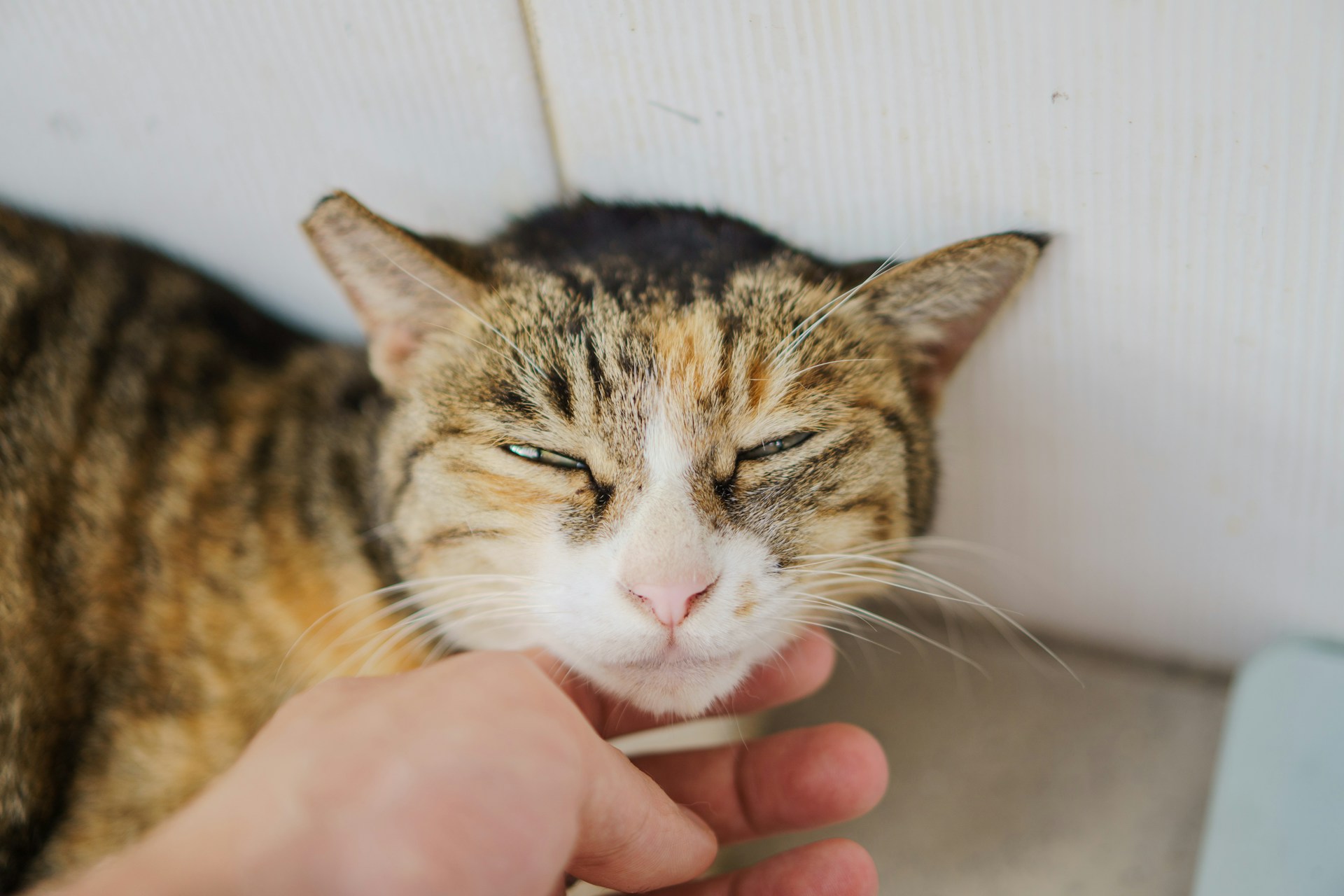
Has your cat been scratching their chin a lot lately? You take a closer look and see tiny black dots or crusty bumps. It could be acne cat treatment time. Yes, cats can get acne, which is commonly known as cat chin acne. We know it sounds surprising. However, chin acne in cats is more common than most pet parents think. At Ecopetessentials, we want to help you spot it fast and act smart. In this blog, we cover what cat chin acne is and why it happens. We also walk you through how to spot it, what to do at home, and when to call your vet. Plus, we share the top 5 products that real pet parents and vets swear by for acne cat treatment that actually works.
Cat acne is a skin condition. It mostly shows up on your cat’s chin. The medical term for chin acne in cats is feline acne. It happens when hair follicles get clogged. This leads to blackheads, pimples, or crusty bumps. It can look mild or very bad. Some cats get it once, while others deal with it often. Both male and female cats can get it. Any breed can be affected too. According to VCA Animal Hospitals, feline acne can appear at any age. Even young, healthy cats are not safe from it.
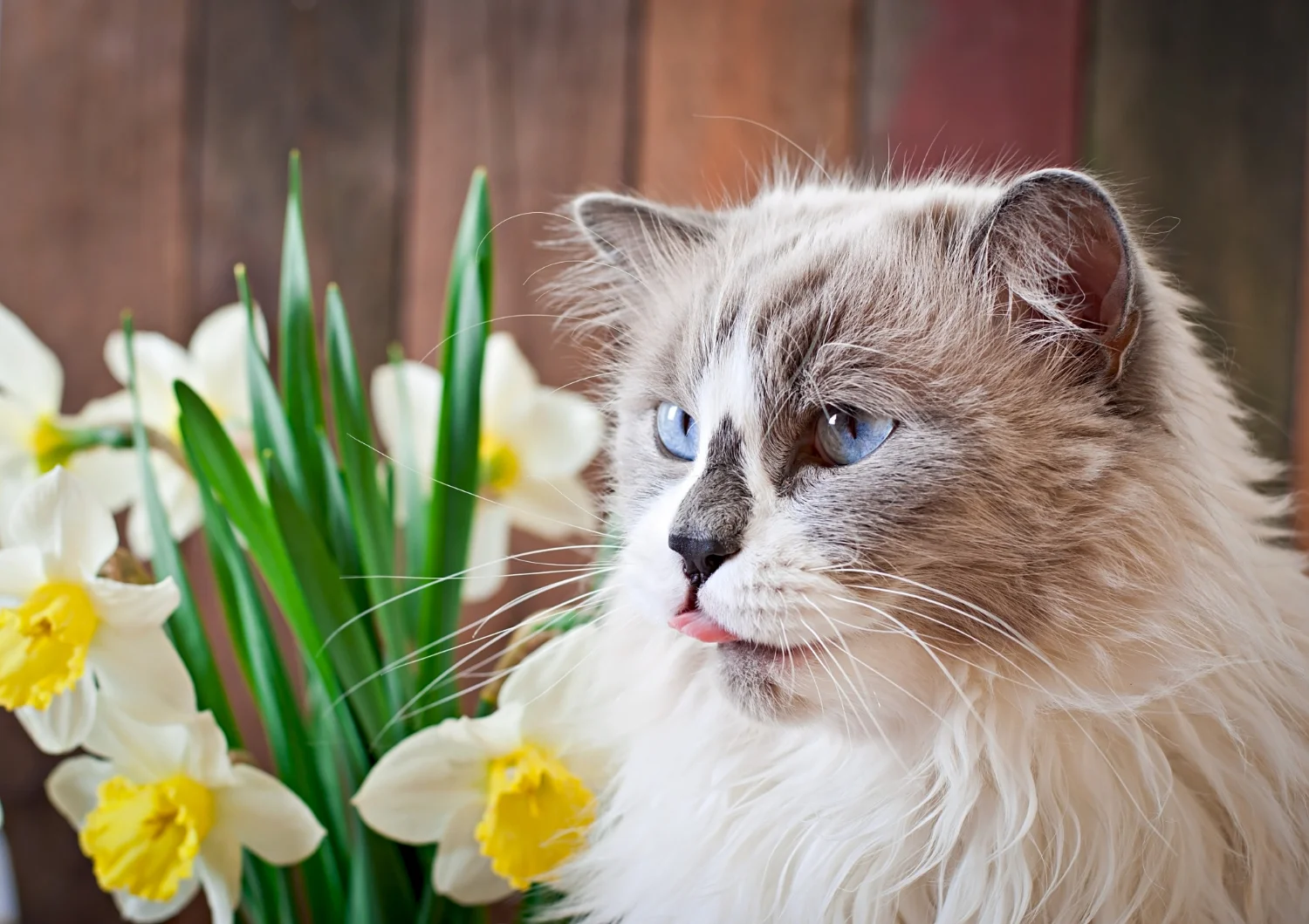
Any cat can get chin acne. But some breeds are more prone to it than others. Here is what we know:
That said, even short-haired mixed-breed cats get it. Breed is just one factor. Lifestyle and hygiene matter just as much.
Prevention is always easier than treatment. Here is what we recommend to keep your cat’s chin clean and clear:
Our Take: We always say that clean bowls and a calm home are the two biggest things you can do. Most of the cat parents in our community who made these two changes saw a real improvement fast.
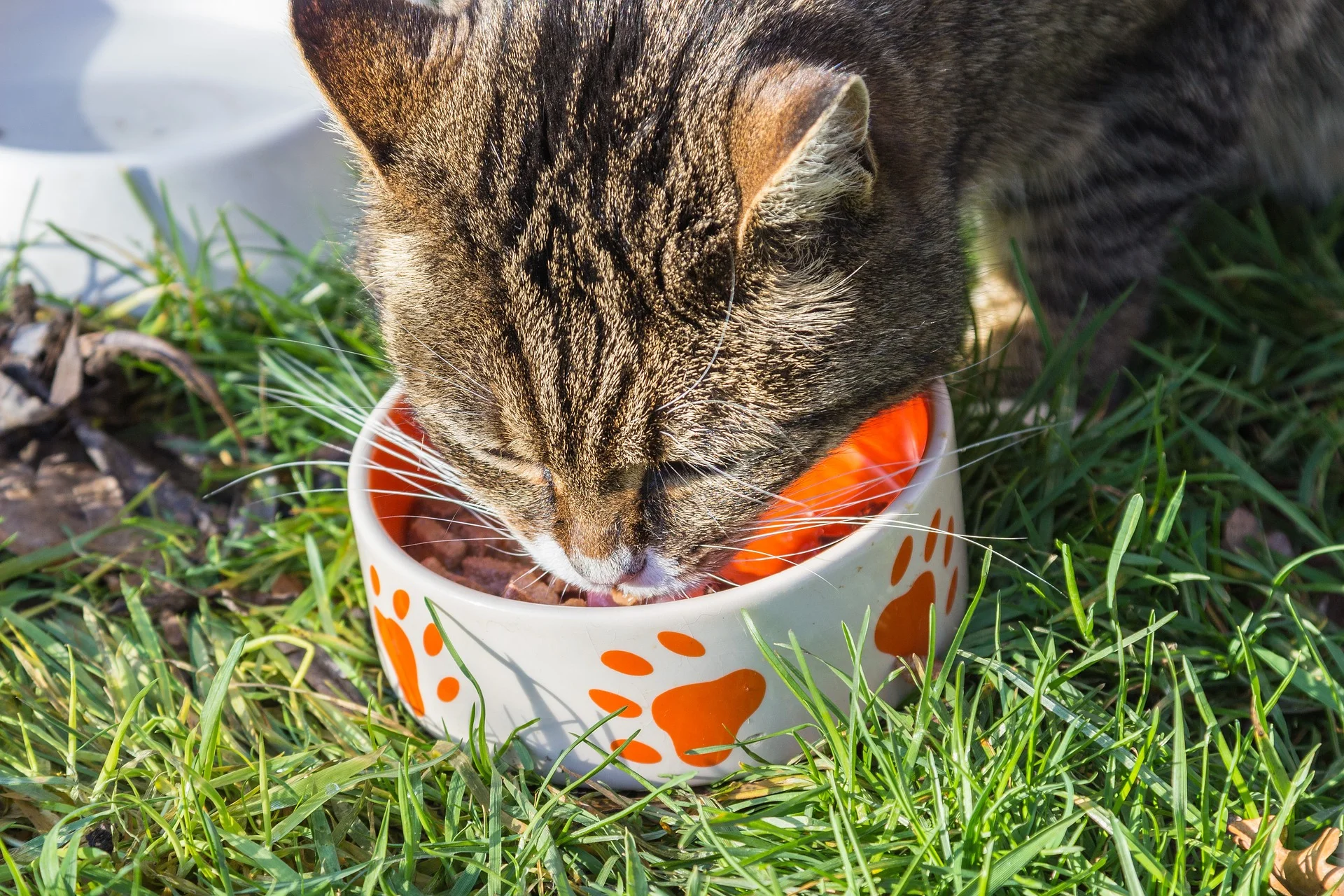
There are several causes of chin acne in cats. Here is what we know:
According to PetMD, the exact cause is often unclear. But these triggers are the most well-known ones. Untreated cat chin acne could also be the reason why your cats ear are hot, even though you’re experiencing moderate temp and weather.
You need to look closely at your cat’s chin. Here is what to watch for:
It can look a lot like cat chin mites vs acne. Mites cause more intense itching and can spread. Acne stays mostly on the chin. If you are not sure, always ask your vet.
🐾 Personal Pet Parent Note: One of our readers shared that she thought her cat had dirt on his chin for weeks. It turned out to be feline acne. Once she switched to a ceramic bowl and started gentle cleaning, it cleared up in two weeks. Always look closer when something seems off!
We have some good news for you. Mild cat chin acne can often be managed at home. Here is what we suggest:
➺ Clean the chin gently with a warm, damp cloth. You have to wipe the chin once or twice a day. You can also use cat chin acne wipes made for pets. These are gentle and safe.
➺ Try a soft toothbrush: Some pet parents use a very soft toothbrush to clean cat chin acne. Wet it with warm water. Gently brush the chin in small circles. Do this once a day. Be gentle. Do not scrub hard.
➺ Try diluted chlorhexidine: This is a mild antiseptic. Your vet may recommend it. It helps clean the skin and fight bacteria.
➺ Avoid popping cat acne: You should never squeeze or pop the bumps. It can make things worse. It can push bacteria deeper into the skin.
Please note: We are pet parents and pet care writers, not vets. These tips are based on research and shared experiences. Always check with your vet before starting any treatment.
Sometimes home care is not enough. You need to see a vet when:
Your vet may prescribe antibiotics, medicated shampoos, or steroid creams. In rare cases, they may take a skin sample to test it. This helps rule out other conditions like mange or ringworm. For more on cat skin care and health, check out our post on Hairless Cat Clothes: Skin Care for Sensitive Breeds, it has helpful tips for cats with skin issues.
You do not need to guess what works. We pulled together the top 5 products that real cat parents and vets keep recommending again and again.
💡 Quick Tip from Us: Always patch test any new product on a small skin area first. And when in doubt, check with your vet before adding anything new to your cat’s routine.
Some pet parents try coconut oil for how to cure chin acne in cats at home. It has natural antibacterial properties. Some cats respond well to it. However, it is not proven by science as a fix. Some cats may lick it off and get an upset stomach. Long hair cat breeds will get tangles that become a hassle to clean if you apply any sort of oik. Therefore, it is bets to ask your vet before trying it.
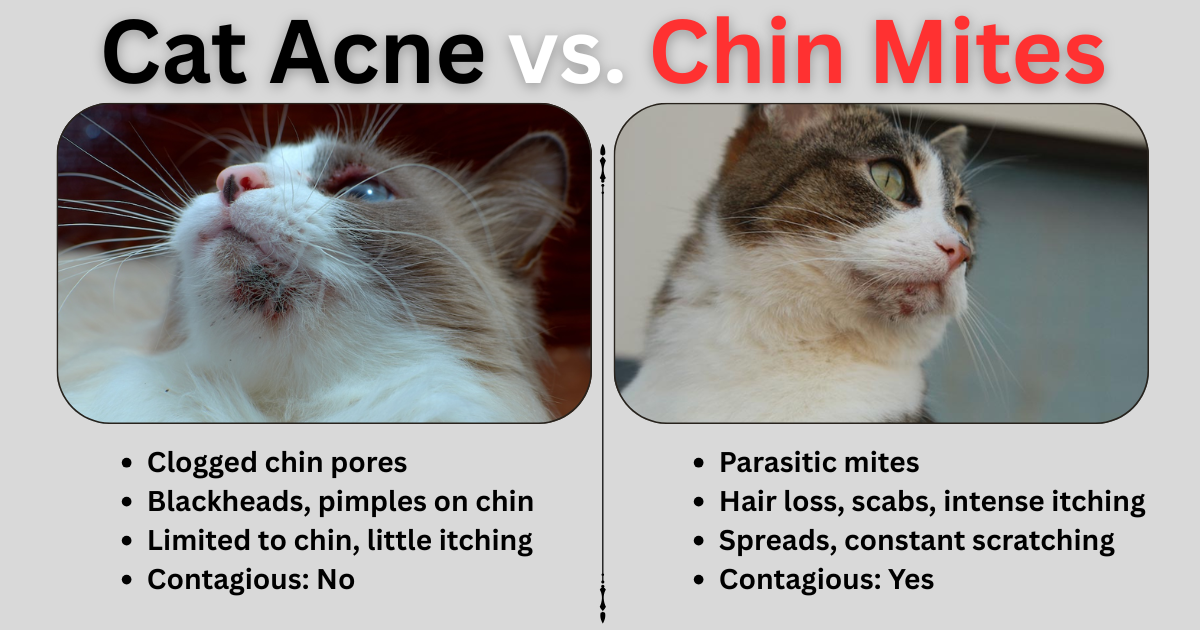
This is a common mix-up. Both cause itching and bumps on the chin. But there are differences:
Only a vet can tell for sure. They may do a skin scraping to check. You should never try to treat mites at home. You will need a vet’s help.
We pour our hearts into every blog we write here at Ecopetessentials. Whether it is acne cat treatment, behaviour tips, or honest product reviews, we have got you covered. Save this blog, bookmark Ecopetessentials and come back often. We update our blog with fresh, useful content every week. Your pet deserves the best care. And you deserve the right info to give it. We are so glad you are here. Stay with us, and let’s raise happy, healthy pets together. 🐱💚
Also read: Can Dogs Catch Bird Flu & Is It Fatal For Your Furry Friend?
➥ How do you get rid of cat acne?
You can get rid of cat acne by cleaning your cat’s chin daily, switching to metal bowls, and using vet-approved wipes or medicated washes for feline acne.
➥ Will cat acne go away by itself?
Mild cat acne can clear up on its own. But it often comes back if you do not fix the root cause, like a dirty plastic bowl or stress.
➥ Can coconut oil help cat acne?
Coconut oil has natural antibacterial properties. It may help mild cases, but always ask your vet first before applying it to your cat’s chin.
➥ Is chin acne in cats contagious?
No, chin acne in cats is not contagious. It cannot spread to you or other pets. It is a skin condition, not an infection that spreads.
➥ How to get rid of cat acne on the chin?
Clean your cat’s chin with warm water daily. Switch to glass or steel bowls. Use pet-safe chin wipes. See your vet if it does not improve fast.

Isla Bennett loves Misty, her two-year-old British Shorthair. And she wants to help other pet parents make sustainable choices that are good for their pets and the planet. She writes about easy ways to care for animals using green products. Isla believes that happy pets and a healthy earth go hand in hand. Her goal is to make pet care simple, fun, and eco-friendly. She also gives you insights about different pet Breeds and traits!