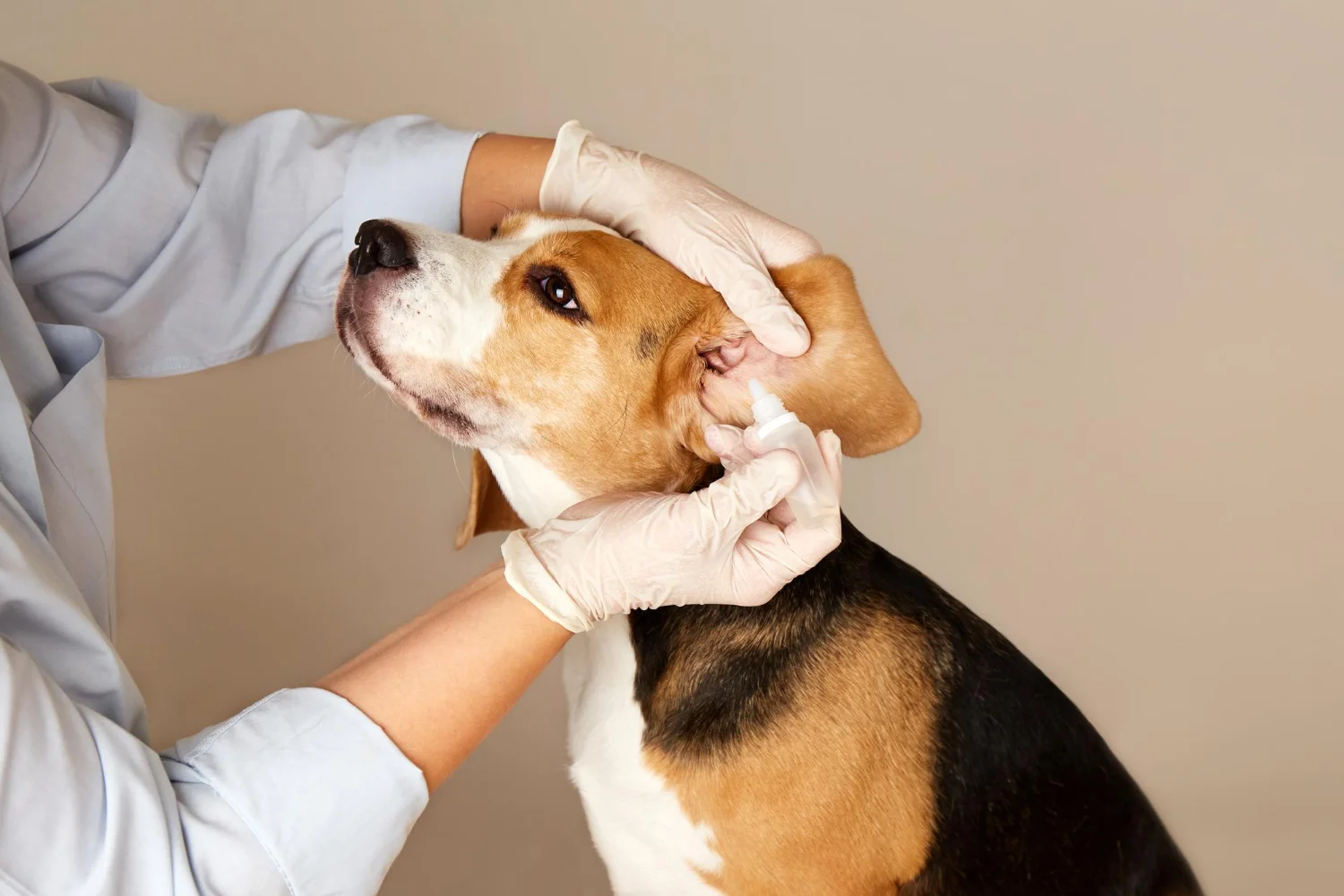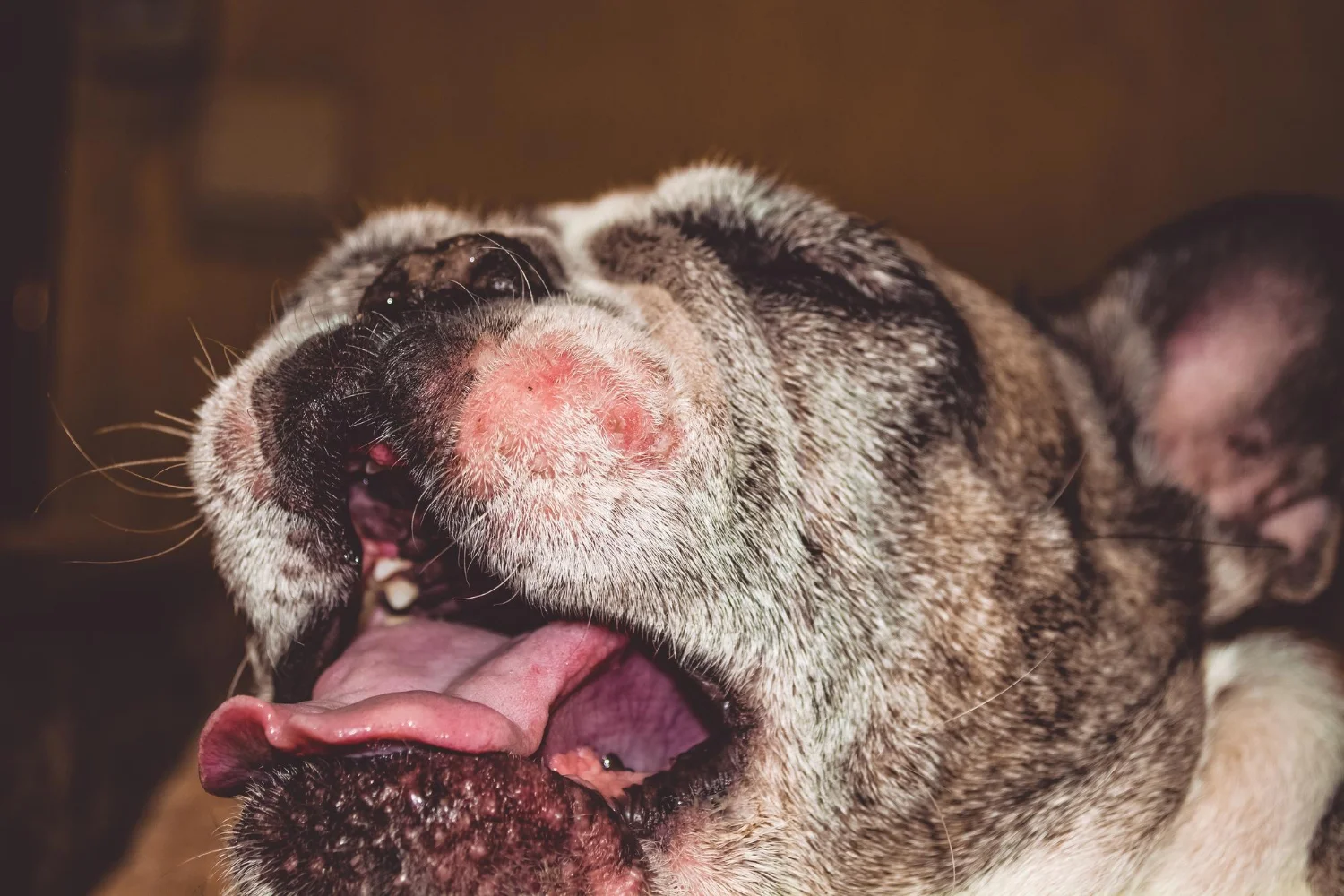
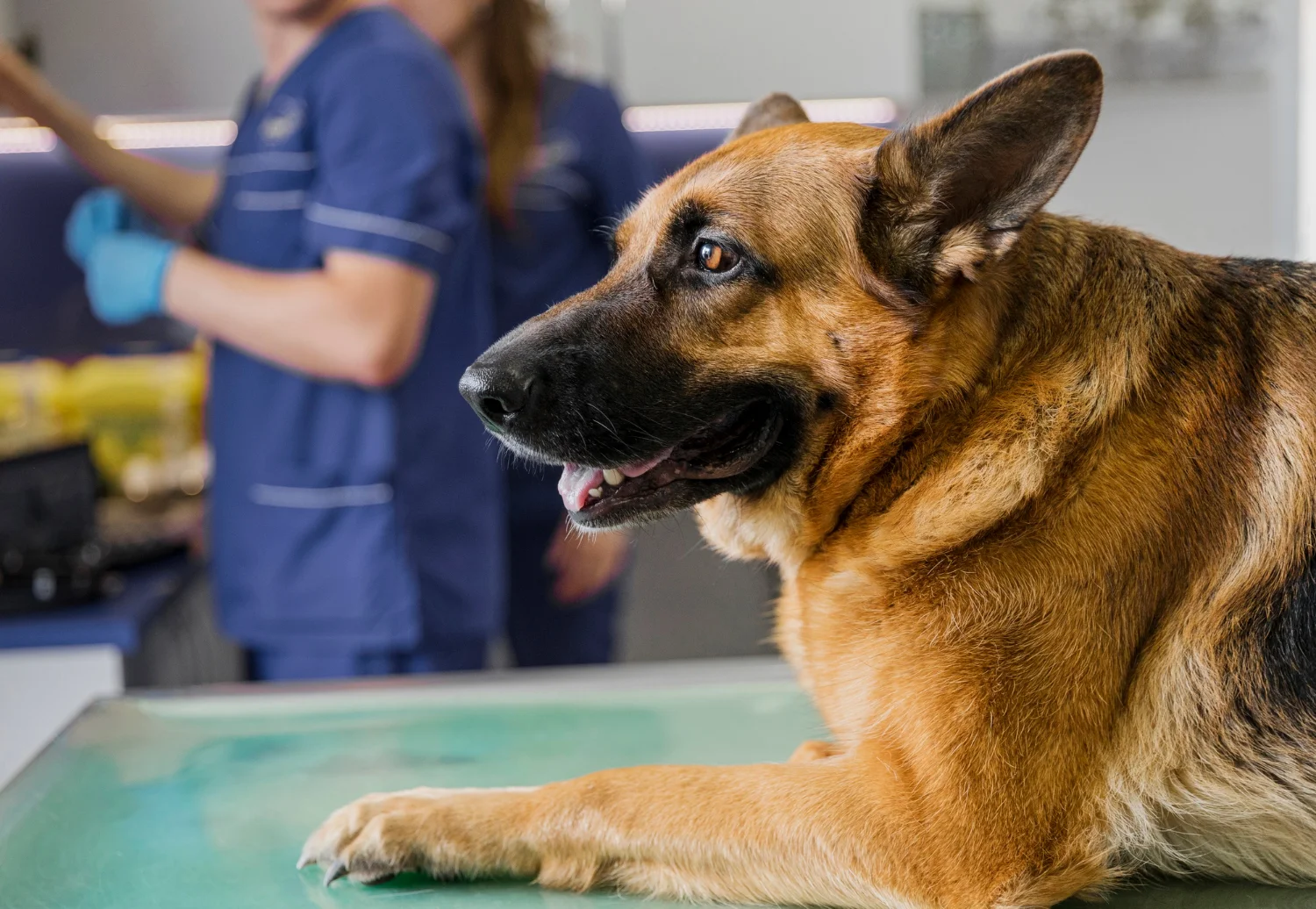
My dog has diarrhea and now what? If your dog has loose stools that will not stop, you are not alone. Studies show that coccidiosis affects up to 90% of puppies in kennels and breeding facilities worldwide. It is one of the most common and most missed causes of dog diarrhea. Toltrazuril for dogs is a treatment that many vets now rely on when nothing else works. We put together everything you need to know about what it is, how it works, dosage by weight, and what side effects to watch for.
Toltrazuril is an antiprotozoal drug. That is a big word. In simple terms, it kills parasites called coccidia that live in your dog’s intestines. It belongs to a class of drugs that interfere with the coccidia’s ability to multiply, form a cell wall, and make proteins they need to survive. Without those abilities, the parasites die off. It is sold under names like Baycox in some countries. In the US, toltrazuril is not currently FDA-approved, but your vet can order it from a licensed compounding pharmacy.

Toltrazuril is used to treat coccidiosis, an intestinal infection caused by tiny parasites called coccidia. Common signs of coccidiosis include diarrhea (sometimes yellowish or bloody), dehydration, poor appetite, fatigue, and occasional vomiting. Sound familiar? If your dog has yellow diarrhea, is throwing up, or seems tired and off their food, coccidia could be the cause.
The symptoms can even mimic parvovirus, which is why getting your vet involved is very important. Puppies are especially at risk. Young dogs, shelter dogs, and dogs in crowded spaces catch it most often. We also want you to know: toltrazuril does not treat roundworms, hookworms, or tapeworms. It specifically targets coccidia and nothing else. If your dog has roundworms, hookworms, or tapeworms, then you can give them Pyrantel Pamoate.
Toltrazuril targets the coccidia’s life cycle, preventing the parasites from multiplying and eventually leading to their elimination. By targeting intracellular stages of the parasite, it helps reduce infection severity and supports intestinal healing. One big advantage? Toltrazuril has a long half-life, allowing for once-daily dosing. That means fewer doses and less stress for you and your dog.
Always follow your vet’s instructions first. But here is a general breakdown we put together based on veterinary research. The recommended dosage for treating coccidiosis is between 10 to 30 mg per kg of body weight, once daily. Most vets use 20 mg per kg as the standard dose. Here is how that looks by dog size:
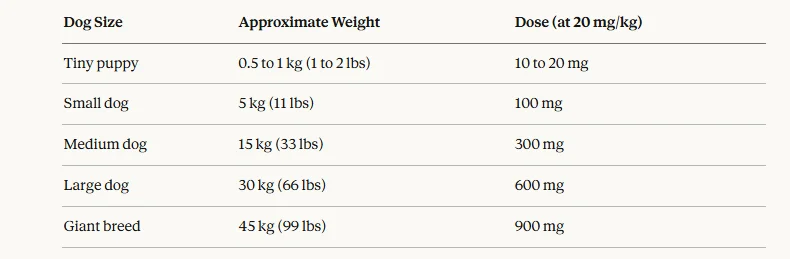
Always weigh your dog before dosing. Guessing weight can lead to under-dosing or overdosing. Treatment is usually given once daily for 3 to 5 days, or as directed by a veterinarian. Toltrazuril can be given with or without food, but giving it with food can help decrease the risk of digestive upset.
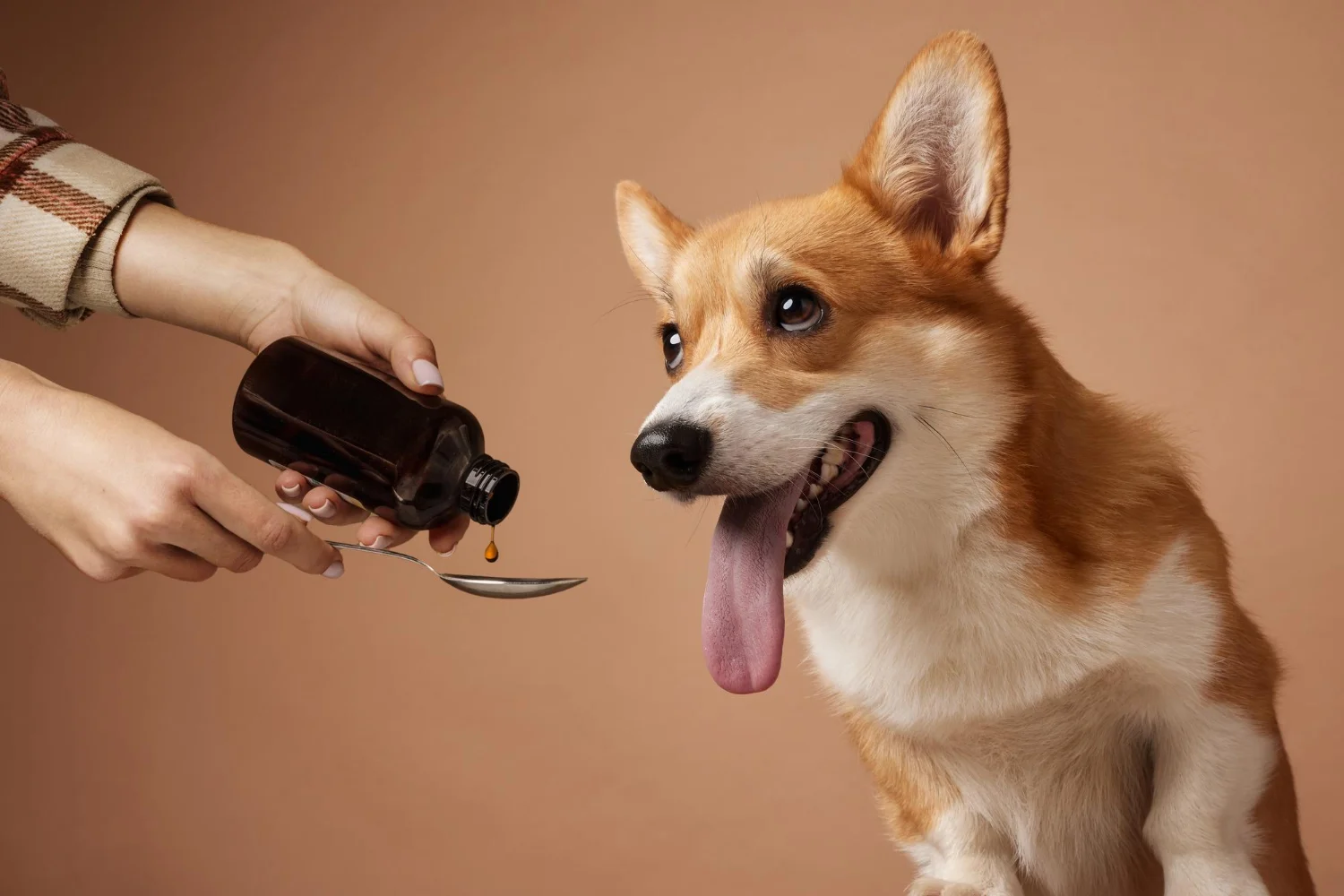
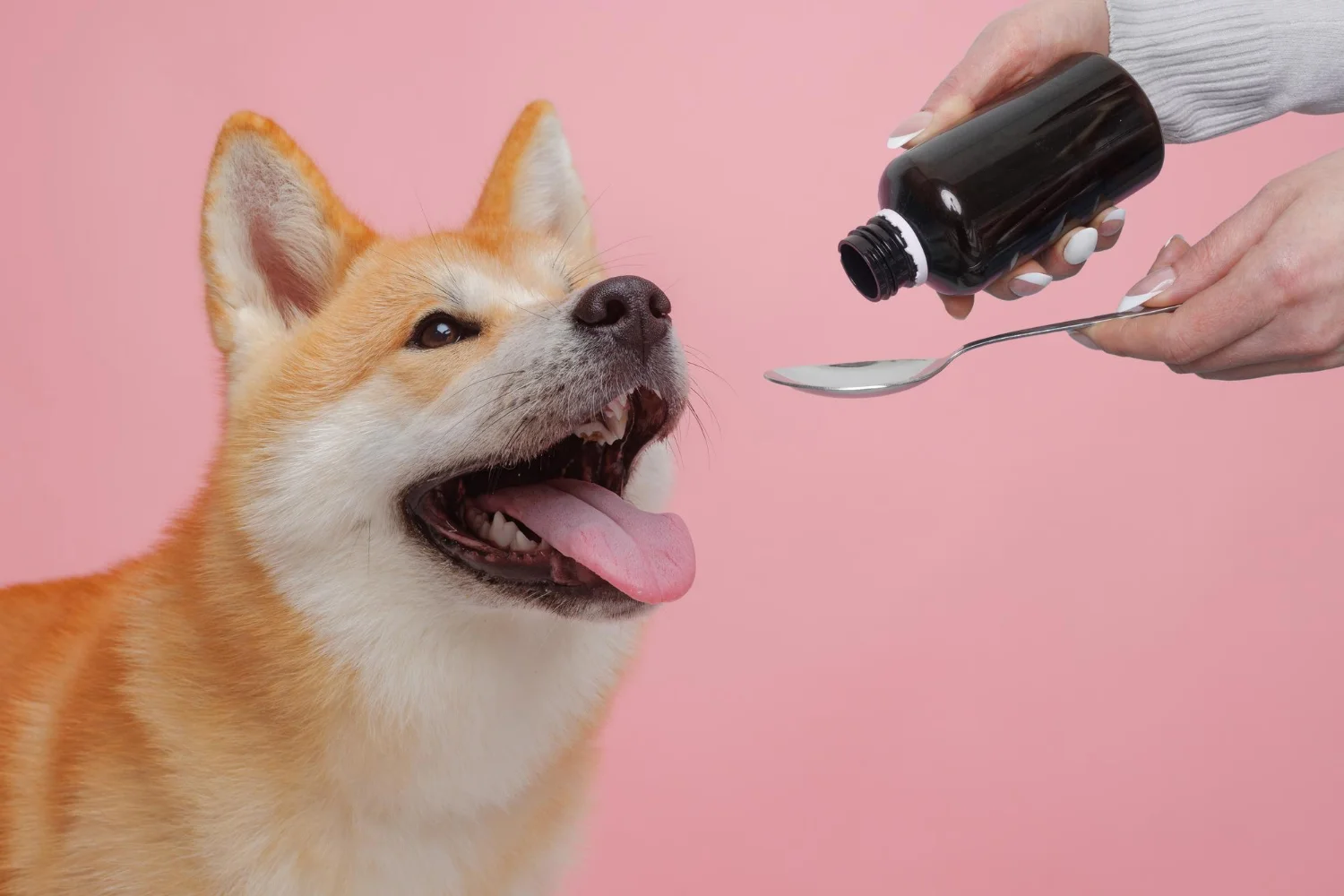
Most dogs take toltrazuril in a liquid suspension form. If your dog is resistant to taking medication, you can use a syringe (without a needle) to deliver the liquid directly into the back of the mouth. You can also mix it with a small amount of your dog’s favorite food to help mask the taste. One important thing: direct oral dosing of the undiluted product is very irritating to mucous membranes and can cause immediate vomiting. Always make sure you are using the right formulation, which is a properly diluted suspension and not a concentrated product.
Do not stop treatment early. Even if your dog appears better after a few doses, it is important to complete the entire course of medication. Stopping early can allow coccidia to come back.
Here is some good news. Most dogs do not show any side effects at all when taking toltrazuril. That said, some dogs may be intolerant to toltrazuril. Signs of intolerance can include severe gastrointestinal distress, such as persistent vomiting or diarrhea, unusual changes in behavior, including agitation or restlessness, or any other symptoms that seem out of the ordinary. If you notice any of those signs, stop giving the medication and call your vet right away. Also, toltrazuril should not be used in dogs with known sensitivity to the drug. What about pregnant dogs? It is not known if toltrazuril is safe for pregnant dogs, as reproductive and nursing studies have not been performed. Talk to your vet before giving it to a pregnant or nursing dog.
If your dog is throwing up and has diarrhea, or your dog’s got diarrhea that looks yellow or bloody, do not wait. These signs point to something that needs a proper diagnosis. Coccidia looks a lot like parvo. You need a vet to tell the difference. We also recommend checking out our post on Strepto Penicillin for Dogs if your vet thinks a bacterial infection is also involved. For trusted external reading, the PetMD article on toltrazuril and this PubMed clinical study on toltrazuril in puppies are worth bookmarking.
Your dog counts on you. When something is wrong, it helps to have the right info fast. We built Ecopetessentials just for that, with real pet health info, honest product reviews, and training tips that actually work. If this helped you, bookmark this page, save it for later, and keep coming back to Ecopetessentials for everything your pet needs. We have more guides on dog health, behavior, and care coming every week. Your dog deserves the best and so do you.
➥ What is toltrazuril used for in dogs?
It treats coccidiosis, a parasitic intestinal infection. You give it to your dog to kill coccidia parasites that cause diarrhea, vomiting, and lethargy.
➥ Can I buy toltrazuril without a vet prescription?
In the US, you can buy it online, but it is not FDA-approved. We strongly recommend you consult your vet before giving your dog any medication.
➥ What is the correct toltrazuril dosage for dogs?
The standard dose is 20 mg per kg of your dog’s body weight, given once daily. Your vet will confirm the right amount based on your dog’s specific needs.
➥ How many days should I give toltrazuril to my dog?
Most vets recommend giving it for 3 to 5 days. Always complete the full course, even if your dog looks better after just one or two doses.
➥ What are the side effects of toltrazuril in dogs?
Most dogs show no side effects. Some may experience vomiting, diarrhea, or restlessness. If you see these signs, stop the medication and call your vet immediately.

Isla Bennett loves Misty, her two-year-old British Shorthair. And she wants to help other pet parents make sustainable choices that are good for their pets and the planet. She writes about easy ways to care for animals using green products. Isla believes that happy pets and a healthy earth go hand in hand. Her goal is to make pet care simple, fun, and eco-friendly. She also gives you insights about different pet Breeds and traits!