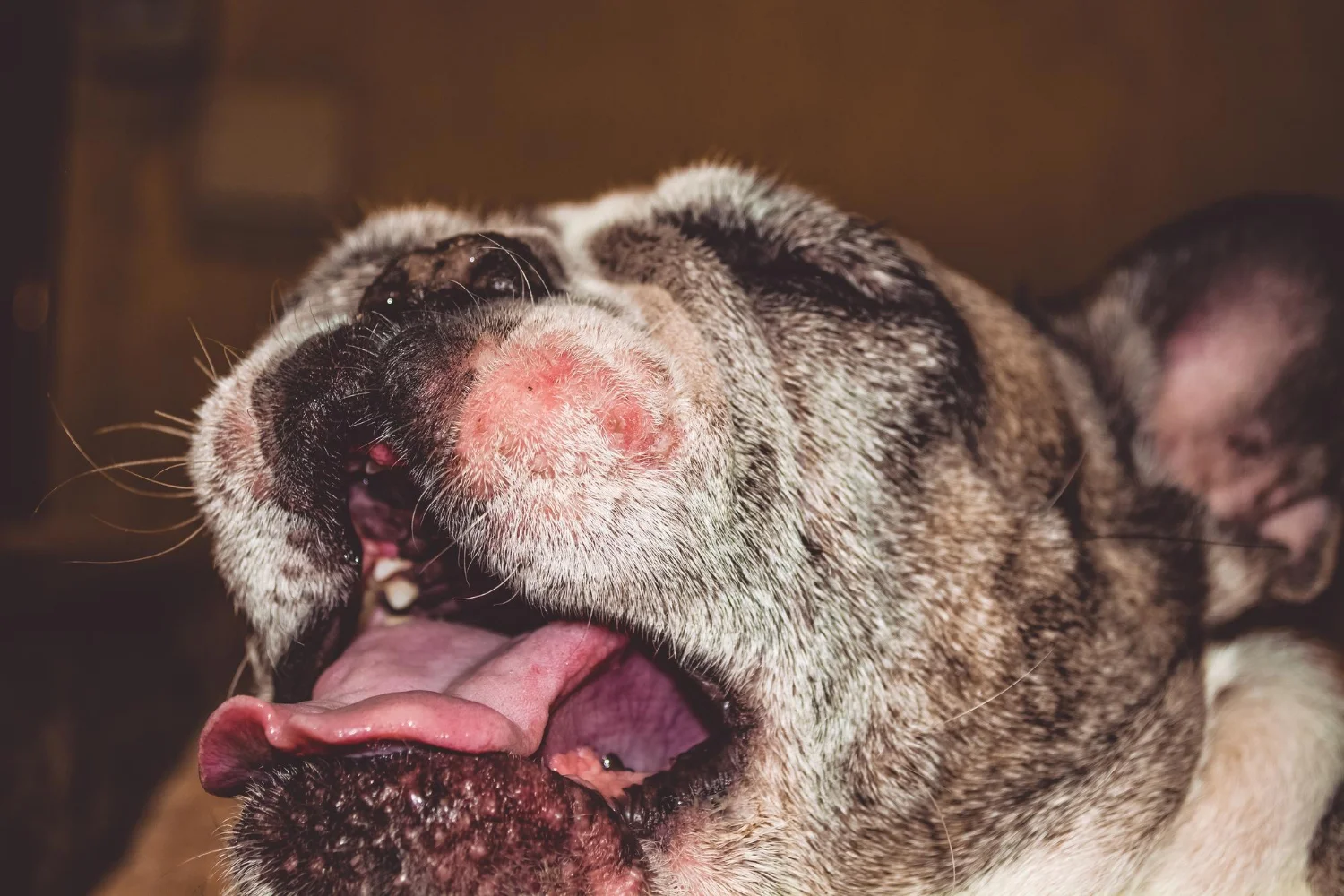
Does your dog keep scratching, licking their paws, or smell a bit funky? It could be a yeast infection. We know how scary and stressful that can feel. The good news is that dog yeast infection treatment is very possible. In this post, we walk you through why it happens, where it shows up, what to look for, and the top 5 vet-approved products to help your pup feel better fast.
Yeast is a natural fungus that lives on every dog’s skin. It is totally normal and harmless in small amounts. The problem starts when yeast grows too much.
Here is why that happens:
Some breeds are more at risk. Cocker Spaniels, Bulldogs, Pugs, Golden Retrievers, and Labradors tend to get yeast infections more often due to their floppy ears or skin folds. We also cover how allergies affect your dog’s overall health in our post on Can Dogs Get the Flu & Can They Catch It from You? it is a great read!
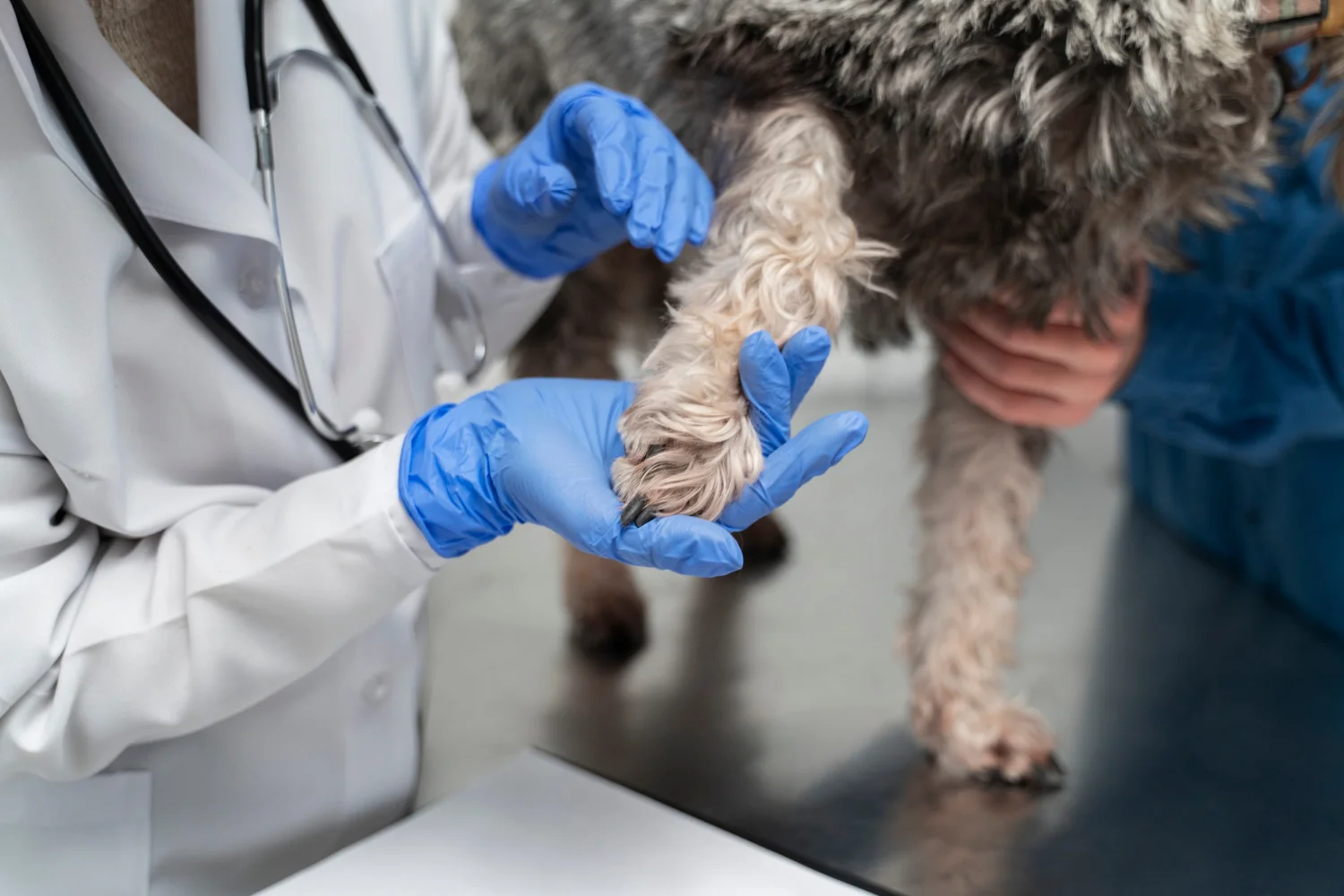
Yeast infections do not just appear in one spot. They can show up in many areas of your dog’s body. Here is where to check:
You know your dog better than anyone. These are the signs we want you to watch for:
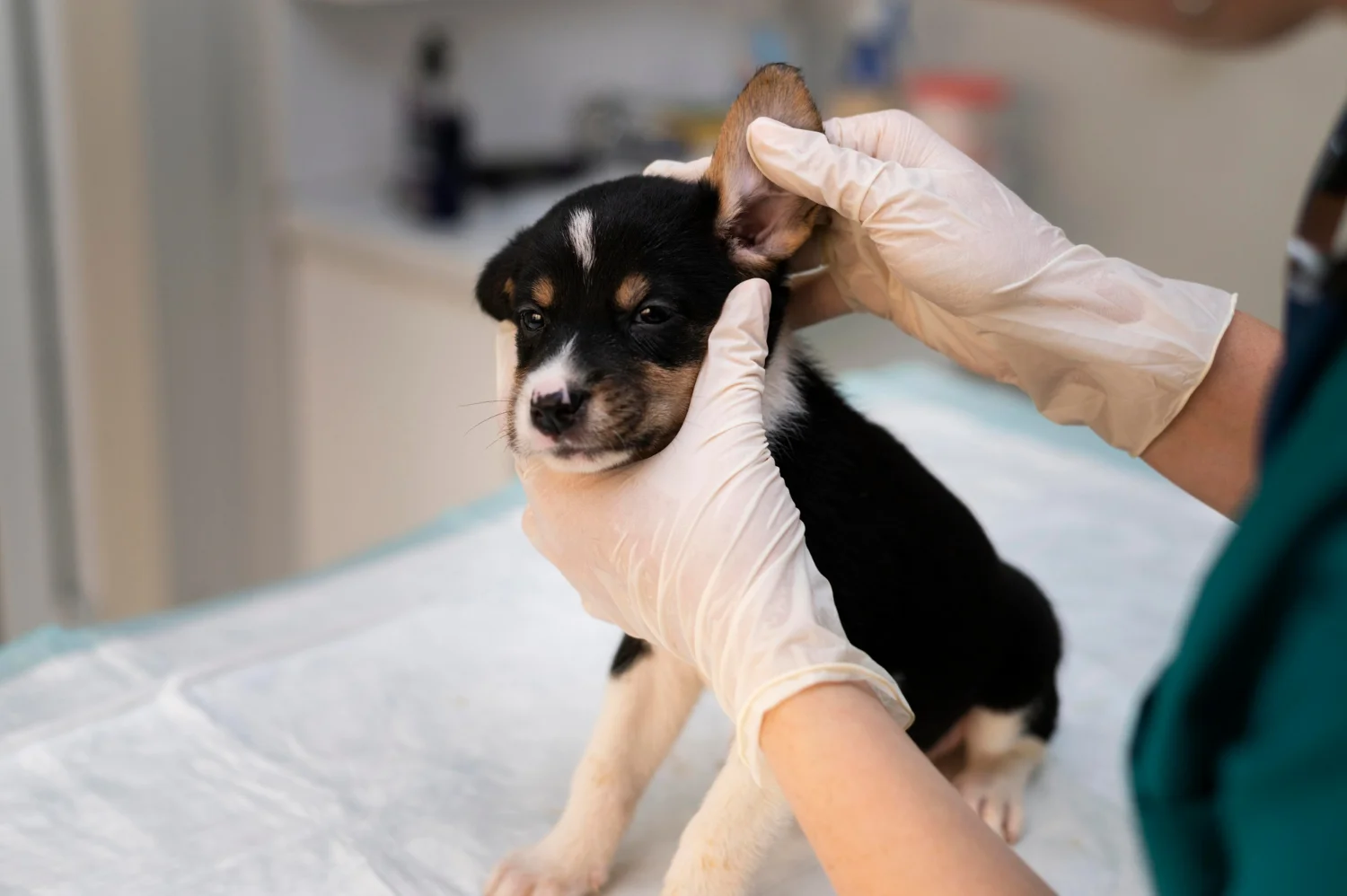
If you see any of these signs, do not wait. Call your vet right away. A vet will confirm the diagnosis using a skin sample or ear swab checked under a microscope. You can also read our post on Zyrtec Dosage for Dogs: Is It Safe & How Much to Give? for more on managing your dog’s skin-related allergies.
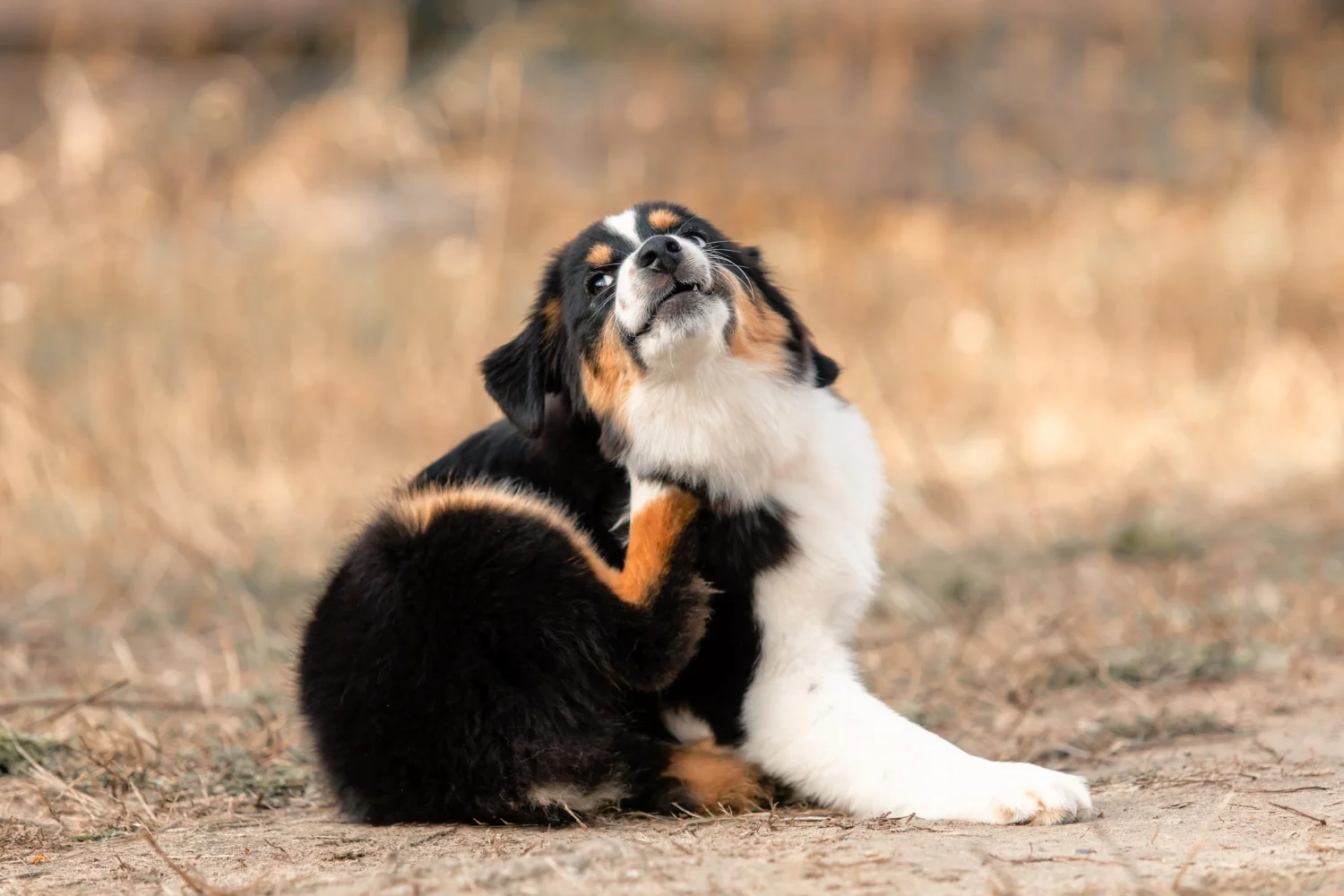
We only share products that vets recommend or that are formulated with vet-approved ingredients. Always talk to your vet before starting any treatment.
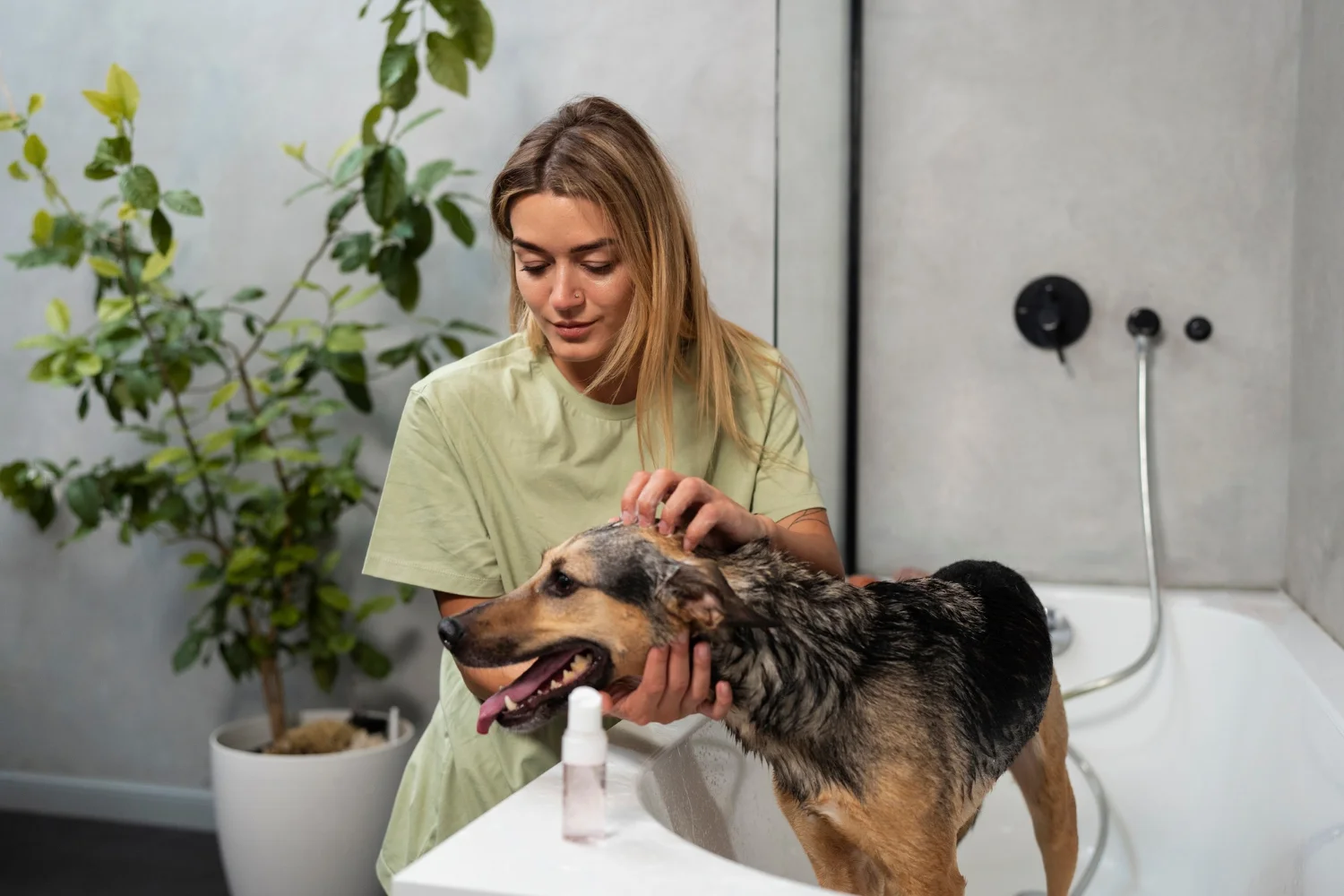
This shampoo is one of the most trusted options for dog yeast infection treatment on the skin. It contains ketoconazole and chlorhexidine, which are both vet-approved antifungal ingredients. According to VCA Animal Hospitals, antifungal shampoos with chlorhexidine, miconazole, or ketoconazole are a key part of treating yeast dermatitis in dogs. Leave the shampoo on for 10 minutes before rinsing for best results.
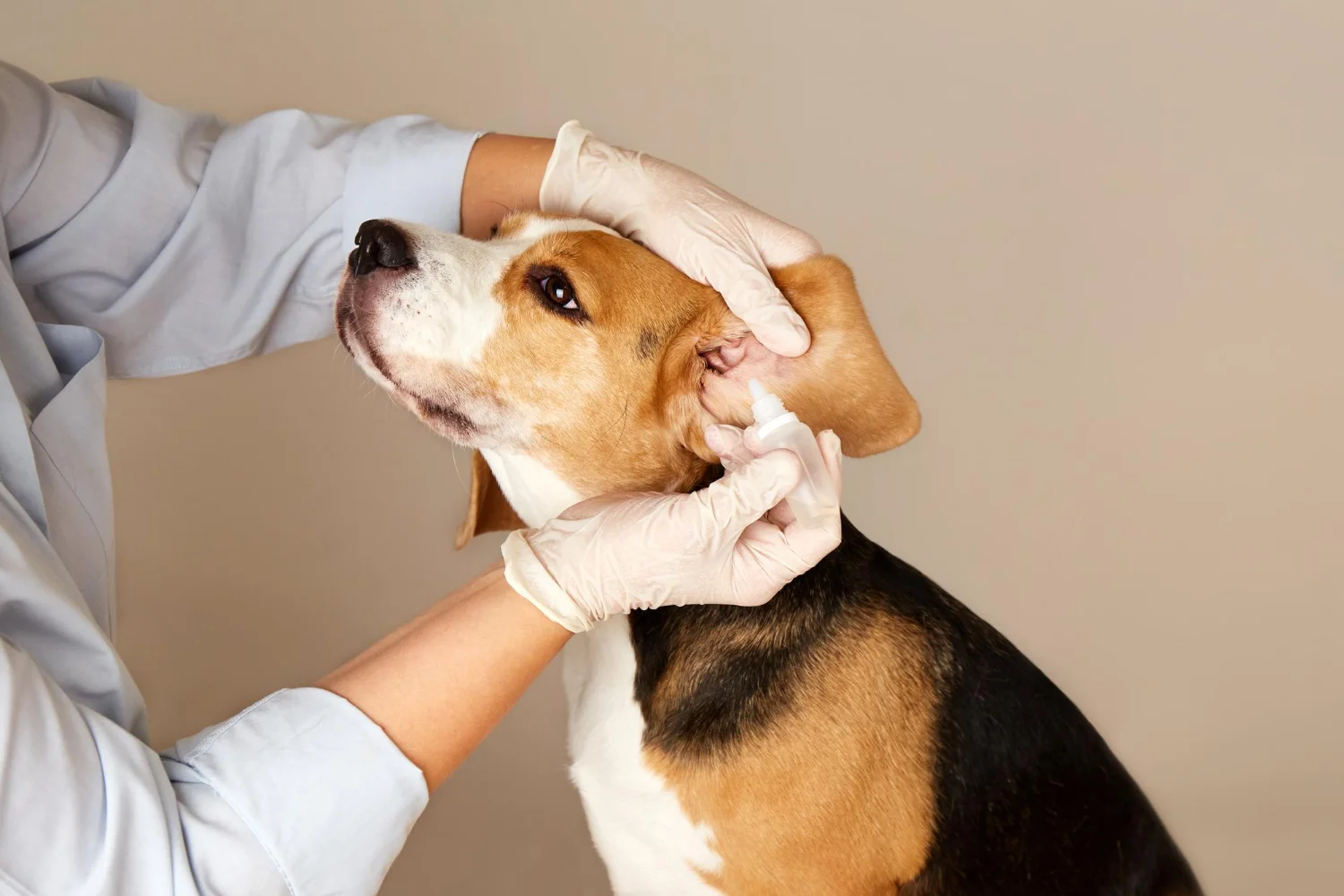
Zymox is one of the top-rated ear treatments for dogs with yeast infections. It uses an enzyme system to fight yeast and bacteria inside the ear canal without the need for pre-cleaning. Rated as a top overall pick by Vetstreet for yeasty, itchy ears, this ear drop solution is gentle but effective. It works well for dogs with sensitive ears and is very easy to apply at home.
This ear flush was created by veterinarians and contains chlorhexidine gluconate and ketoconazole. It cleans, disinfects, and soothes the ear canal all in one step. It is vet-founded, vet-formulated, and vet-recommended. The formula is tough on yeast but gentle on your dog’s ear. It also includes aloe vera to soothe irritated skin.
For more serious or widespread yeast infections, your vet may prescribe an oral antifungal like fluconazole. According to PetMD, fluconazole is a prescription antifungal medication that treats systemic fungal and yeast infections. It works by stopping yeast from producing the enzymes they need to survive. It is also useful for yeast infections in the nervous system or urinary tract because it can reach those areas well.
MalAcetic is a well-known medicated shampoo that vets often recommend for dogs with chronic yeast skin issues. It contains acetic acid and boric acid, which help lower the skin’s pH and stop yeast from growing. This shampoo is also gentle enough for regular use. Many vets suggest it as part of a long-term management plan for dogs with recurring yeast infections.
Note: Always see your vet before starting any treatment. Yeast infections often happen because of an underlying condition. Treating the root cause is just as important as treating the infection itself.
Yes, you can reduce how often they happen. Here is what we suggest:
You can also check out our post on Sucralfate for Dogs: Symptoms, Doses & Side Effects for more on how gut health and medications affect your dog’s overall well-being.
Your dog depends on you to catch these problems early. We know that can feel overwhelming sometimes, but that is exactly why we are here. At Ecopetessentials, we make pet care easy to understand for every dog parent. If this helped you, please bookmark this page right now so you can come back anytime your pup needs you. Save it, share it with a fellow dog parent, and keep reading our blog for honest product reviews, health tips, and behavior guides. We update our content regularly so you always have the latest, most trusted information at your fingertips. Your dog’s health is worth it and so is your peace of mind. We have got you covered every step of the way.
You can also check out: Why Your Dog Acts Out & How to Fix It
➥ What is the most common dog yeast infection treatment a vet will recommend?
Vets often recommend antifungal shampoos with ketoconazole or chlorhexidine for skin infections. For severe cases, they may prescribe oral antifungals like fluconazole or ketoconazole. Always follow your vet’s specific advice for your dog.
➥ Can you treat a dog yeast infection at home?
You can use vet-approved shampoos and ear flushes at home for mild infections. However, you should always get a confirmed diagnosis from your vet first to rule out bacterial infections or other issues.
➥ How long does dog yeast infection treatment take to work?
Most dogs start to feel relief within one to two weeks. However, full recovery can take a few weeks to several months depending on how severe the infection is and whether an underlying condition is involved.
➥ What does a dog yeast infection smell like?
Many owners describe it as a musty, yeasty smell. Some compare it to corn chips or stale bread. This odor is very noticeable in the ears or between the paw pads.
➥ Can a dog yeast infection spread to humans?
No. Dog yeast infections are caused by Malassezia pachydermatis, which is not contagious to humans. Your dog’s infection will not spread to you or other people in your home.

Isla Bennett loves Misty, her two-year-old British Shorthair. And she wants to help other pet parents make sustainable choices that are good for their pets and the planet. She writes about easy ways to care for animals using green products. Isla believes that happy pets and a healthy earth go hand in hand. Her goal is to make pet care simple, fun, and eco-friendly. She also gives you insights about different pet Breeds and traits!